Equipos de Medios de Vida y Seguridad Alimentaria realizan visita territorial en Paraguay
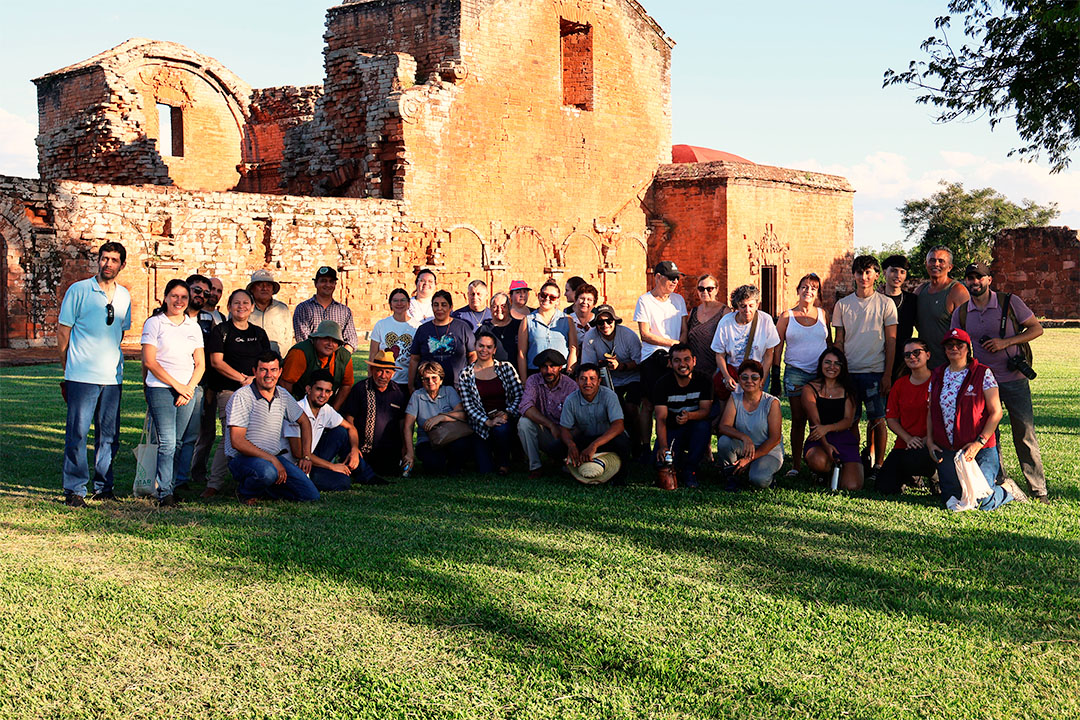
Del 12 al 14 de marzo de 2026, en la Diócesis de Encarnación (Itapúa), se llevó a cabo la Visita Territorial de Medios de Vida y Seguridad Alimentaria (MVSA) en Paraguay, un espacio de intercambio regional que reunió a representantes de Cáritas de América Latina y el Caribe.
La iniciativa se enmarca en el proceso impulsado por Cáritas LAC para fortalecer capacidades, promover el aprendizaje entre pares y profundizar el trabajo territorial desde un enfoque de ecología integral.
Intercambio de experiencias y políticas públicas
La apertura del encuentro estuvo marcada por un momento de oración y las palabras de bienvenida de Mons. Marcelo Benítez, Presidente de la Pastoral Social Cáritas Paraguay, junto al Director, Lic. Ricardo González. Durante la primera jornada, los equipos de Argentina, Brasil, Chile y Colombia compartieron sus experiencias en agroecología, economía social y solidaria e incidencia en políticas públicas.
Así también, se desarrolló un espacio de intercambio con universidades y autoridades locales; con la esperanza de convertir la agroecología y la economía social y solidaria, en propuestas políticas y académicas, reafirmando que son experiencias que ya existen en el territorio Paraguayo como ejes centrales de la seguridad y soberanía alimentaria, puntualmente en cinco Diócesis, entre ellas la Diócesis de Encarnación en las comunidades de San Pedro del Paraná y Nueva Alborada del departamento de Itapúa.
El territorio como escuela de aprendizajes
El segundo día estuvo dedicado a las visitas de campo, donde las delegaciones recorrieron experiencias concretas de agricultura familiar. En el distrito de San Pedro del Paraná y Nueva Alborada; distribuidos en dos grupos, visitaron las fincas agroecológicas y la feria de productores, donde las familias compartieron sus prácticas de producción sostenible, el manejo diversificado de cultivos y animales, el intercambio de semillas y la preservación de especies nativas; así también pudieron conocer procesos comunitarios orientados al fortalecimiento de medios de vida, la organización local y las estrategias de adaptación frente a contextos de vulnerabilidad. El segundo día, se cerró con el recogido de dos centros de Reducciones Jesuíticas en los distritos de Trinidad y Jesús, del departamento de Itapúa
La tercera jornada estuvo orientada a la síntesis y proyección colectiva de los aprendizajes, permitiendo identificar aportes clave para el fortalecimiento de capacidades, la incidencia territorial y la gestión del conocimiento del equipo regional MVSA. El encuentro finalizó con un espacio de integración y recorrido cultural de la Ciudad de Encarnación y una Misa Central en la Catedral de la Santísima Encarnación a cargo del Monseñor Francisco Pistilli con una homilía impregnada por las experiencias vividas en el territorio, durante el encuentro, en torno a la agroecología
Podemos concluir reafirmando los siguientes puntos a partir de las experiencias vivida :
- Liderazgo Regional: Se rescata la existencia de un proceso que trasciende fronteras, donde varios países de América Latina se posicionan como referentes regionales en la generación de conocimientos para el desarrollo sostenible, en torno de la Agroecología y la Economía social y solidaria
- Diálogo de Saberes: En una misma mesa, la investigación académica, la decisión política y la sabiduría de la agricultura familiar campesina, se unen y dialogan sobre sus desafíos y la gran esperanza depositada en todas las experiencias que ya existen en los territorios
- Innovación Social: Vimos la agroecología no solo como técnica, sino como un motor de economía social y solidaria que construye alternativas reales y sostenibles para nuestras comunidades.
- Un Compromiso con el Futuro: En el marco de la Bienal Católica, este evento es un llamado a la "incidencia territorial". Es el espacio para que los tomadores de decisiones y los pensadores de hoy tracen la hoja de ruta para la seguridad alimentaria de mañana.
Desde una perspectiva de ecología integral, el proceso reafirma el compromiso de Cáritas con la dignificación del ser humano, el cuidado de la Casa Común, la organización comunitaria y la construcción de sistemas alimentarios más justos, resilientes y sostenibles en América Latina y el Caribe.
Contribución de María Fe, comunicadora de Cáritas Paraguay
-(pequeno).jpg)
-(pequeno).jpg)
-(pequeno).jpg)
-(pequeno).jpg)
-(pequeno).jpg)
-(pequeno).jpg)
-(pequeno).jpg)
-(pequeno).jpg)
-(pequeno).jpg)
-(pequeno).jpg)
Care of the common home and Holistic Human Development