Stories
América Latina y el Caribe
19-08-2026
Proteger a los cooperantes es defender el derecho humanitario
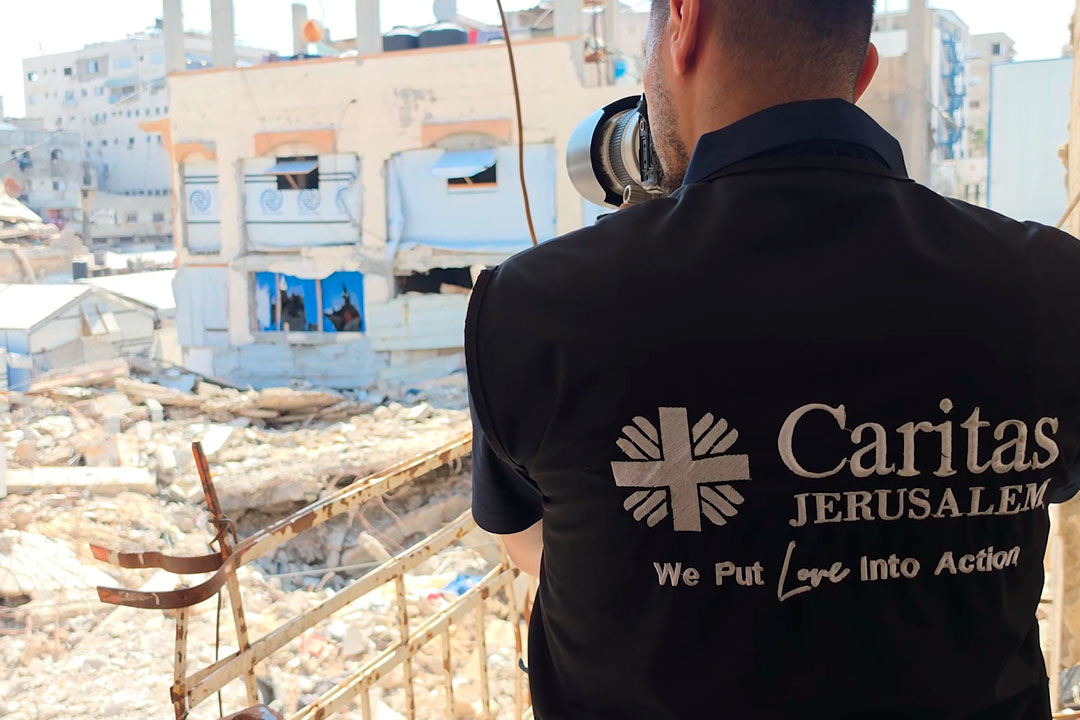
En este Día Mundial de la Ayuda Humanitaria, queremos rendir un homenaje especial a todas las personas que han perdido la vida en el ejercicio de sus misiones humanitarias. Esta jornada es una ocasión para recordar hasta qué punto el respeto del derecho internacional humanitario (DIH) es esencial para garantizar la protección de las personas desplegadas en zonas de conflicto. Así pues, cuando un trabajador humanitario es objeto de un ataque, son también los propios principios humanitarios, así como el DIH, los que se ven atacados.
En los últimos tres años, más de 1000 trabajadores humanitarios han perdido la vida en todo el mundo. Entre ellos, varios miembros de Caritas han sido asesinados en zonas de conflicto, en particular en Gaza y en Mariúpol, donde empleados de Caritas perdieron la vida entre otros lugares. El pasado 26 de julio, Yana Zhernovskaya, trabajadora social de Caritas Járkov, falleció en un ataque con misiles rusos que alcanzó su domicilio, mientras que su hijo de 10 años resultó herido en el ataque. Estas tragedias ilustran la magnitud de los peligros a los que se enfrentan los equipos humanitarios sobre el terreno.
Los cooperantes bajo ataque
Según datos de la ONU, la zona de conflicto de Gaza ha alcanzado el nivel más alto de violencia jamás documentado en la historia contemporánea de los agentes humanitarios. Caritas está presente en Gaza con cooperantes que se dedican a su labor cotidiana con compromiso y generosidad, a pesar del riesgo que corren sus vidas. Haz click para ver el vídeo.
Estos acontecimientos nos recuerdan que la mera existencia de normas no basta para garantizar su cumplimiento. La protección de los cooperantes se basa también en la capacidad de hacer realidad los principios del derecho internacional humanitario, en el seno de las sociedades y de reforzar su apropiación por parte de las comunidades.
Desde esta perspectiva, las organizaciones de inspiración religiosa y los líderes religiosos pueden desempeñar un papel importante. Los agentes religiosos, presentes desde hace mucho tiempo en el seno de las comunidades, pueden beneficiarse de una relación de confianza y de una autoridad moral que les permiten promover los valores del derecho internacional humanitario en un lenguaje que une a las personas.
Su compromiso con la paz, la protección de la población civil y el respeto por la dignidad y toda vida humana puede contribuir a reforzar la adhesión a los principios humanitarios. Como destaca el informe Strengthening the Moral Force of International Humanitarian Law Through Faith-based Advocacy (del Instituto de Altos Estudios Internacionales y de Desarrollo de Ginebra, elaborado en colaboración con Caritas Internationalis, Act Alliance y el Consejo Mundial de Iglesias), cuando los conocimientos especializados en materia humanitaria se alían con la credibilidad de los líderes religiosos, los llamamientos al respeto del derecho internacional humanitario ganan en eficacia.
En la República Centroafricana, los agentes religiosos desempeñan un papel fundamental en la promoción de la paz a pesar de la violencia persistente. Desde hace más de una década, el país vive al ritmo de sucesivas crisis humanitarias. En la parte oriental del país, las tensiones se han intensificado especialmente desde mayo de 2025, donde se ciernen nuevas amenazas sobre la población civil. Al mismo tiempo, la disminución de la financiación humanitaria y la retirada progresiva de algunos actores reducen la capacidad de intervención sobre el terreno.
República Centroafricana: líderes religiosos en primera línea
En este contexto, la Iglesia católica sigue estando presente junto a las comunidades más aisladas. El obispo de Bangassou, monseñor Aurelio Gazzera, que ejerce su ministerio en la República Centroafricana desde hace muchos años, da testimonio de esta realidad y de los riesgos a los que se enfrentan quienes deciden permanecer junto a la población.
El reciente asesinato del padre Crépin Martial Monga, asesinado en su diócesis debido a su compromiso con la paz, ilustra de forma dramática estos peligros. El padre Monga fue asesinado en Zémio, en Haut-Mbomou, una región del sureste de la República Centroafricana, devastada por el conflicto étnico entre diferentes milicias locales. Reconocido mediador entre los rebeldes y las autoridades, su asesinato, sin reivindicación alguna, pone de manifiesto los crecientes peligros a los que se enfrentan los artífices de la paz y los trabajadores humanitarios.
Mons. Aurelio Gazzera: «El diálogo es esencial»
«A pesar de que las amenazas son reales, seguimos adelante porque somos de los pocos que tenemos la fuerza y el valor para hacerlo», explica Mons. Gazzera, refiriéndose al papel de la Iglesia católica y de otras confesiones religiosas, en un contexto en el que el espacio para el diálogo sigue siendo limitado. Las comunidades disponen de pocos medios para hacer oír su voz y denunciar las violaciones de las que son víctimas. Los responsables religiosos se convierten, por tanto, en interlocutores clave, capaces de transmitir estos testimonios y de mantener abiertos los espacios de diálogo.
Esta capacidad para dialogar con diferentes actores constituye uno de los puntos fuertes de la Plataforma Interreligiosa por la Paz, que reúne a altos responsables católicos, musulmanes y protestantes. Según Mons. Gazzera, la plataforma ha permitido reunirse con las autoridades, las fuerzas armadas y las comunidades de manera abierta, lo que ha contribuido a comprender mejor las realidades del conflicto y a mejorar la situación sobre el terreno.
La experiencia demuestra que los llamamientos al respeto del derecho internacional humanitario tienen más probabilidades de ser escuchados cuando se enmarcan en una relación de confianza y en una comprensión de los contextos locales. Gracias a la legitimidad que han adquirido en el seno de sus comunidades, a su presencia constante entre la población y a la neutralidad que a menudo se les reconoce, los actores religiosos pueden llegar a las partes implicadas en los conflictos y contribuir a promover la paz, mientras las organizaciones humanitarias tienen difícil acceso a las mismas.
Es aunando las fuerzas y los conocimientos de todos y cada uno que los principios del derecho internacional humanitario pueden cobrar vida de verdad. Mientras que los agentes humanitarios aportan su experiencia en materia de protección y de derecho internacional humanitario, los líderes religiosos ponen al servicio de las comunidades su conocimiento del terreno, su proximidad a las poblaciones y la confianza de la que gozan. Esta complementariedad permite acercar los principios humanitarios y el derecho internacional humanitario a las realidades vividas y reforzar su respeto, al tiempo que contribuye a proteger mejor a quienes, cada día, arriesgan su vida para acudir en ayuda de las poblaciones afectadas por los conflictos.
Y es que, detrás de cada cooperante protegido, hay comunidades enteras que pueden seguir recibiendo la ayuda y el apoyo que necesitan. Proteger a los trabajadores humanitarios es defender la vida, la dignidad y la esperanza de las poblaciones atrapadas en los conflictos.
Por Anaïs Jeanjean, Estudios Europeos e Internacionales, Universidad Sorbonne Nouvelle de París
Identity and spirituality