Stories
América Latina y el Caribe
16-06-2026
Vaticano publica el mensaje del Papa León XIV para la Jornada Mundial de los Pobres
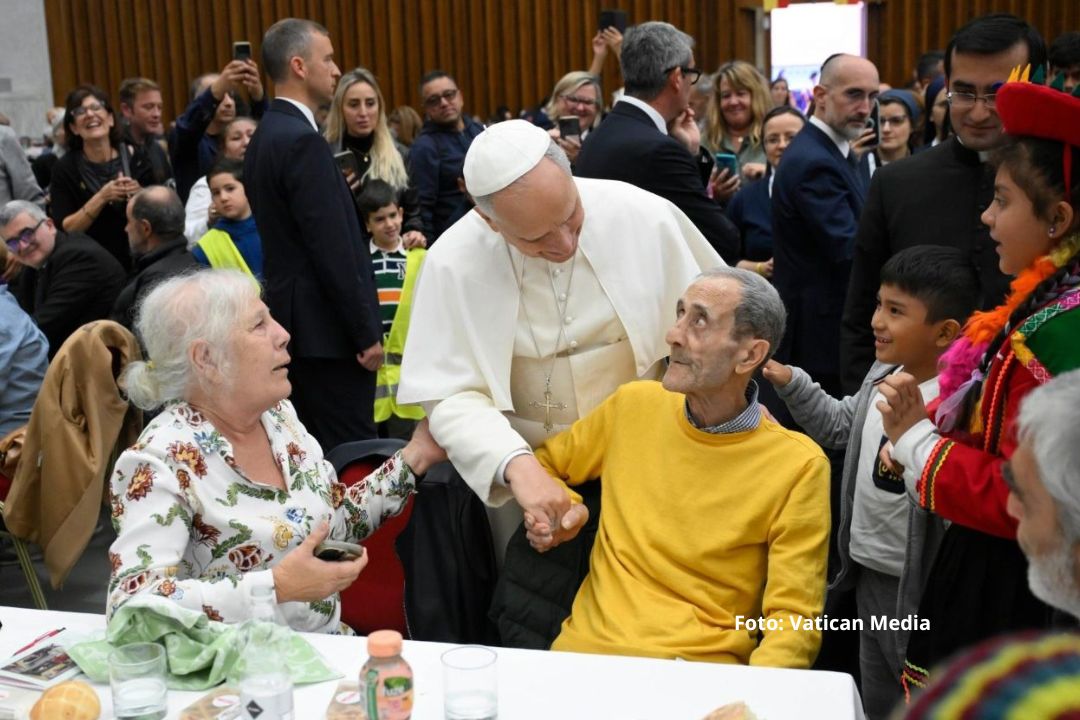
La Oficina de Prensa de la Santa Sede publicó el pasado domingo 14 el mensaje del Papa León XIV para la décima edición de la Jornada Mundial de los Pobres, que se celebrará el próximo 15 de noviembre, bajo el lema «El Señor es el refugio del pobre».
León XIV denuncia la «corrupción arrogante» que genera injusticia social y sitúa a las personas «unas por encima de otras en nombre del dominio y la opresión». Exhorta a escuchar a los necesitados, en lugar de limitarse a hablar de ellos. El mensaje lleva la fecha del 13 de junio, memoria de San Antonio de Padua, patrón de los pobres.
Lee a continuación el mensaje.
MENSAJE DEL SANTO PADRE LEÓN XIV PARA LA X JORNADA MUNDIAL DE LOS POBRES
XXXIII Domingo del Tiempo Ordinario, 15 de noviembre de 2026
___________________________
El Señor es el refugio del pobre (cf. Sal 14,6)
1. El Señor es el refugio del pobre (cf. Sal 14,6). Las palabras del Salmista sugieren el camino que estamos llamados a recorrer con vistas a la X Jornada Mundial de los Pobres. Una vez más es necesario volver a la Palabra de Dios para verificar la importancia que los pobres tienen en la vida de la Iglesia. La expresión del salmo se convierte en criterio de juicio para la existencia cristiana porque revela el rostro de Dios y reconoce la pobreza humana. En efecto, en un momento histórico dramático, como fue la destrucción del templo de Jerusalén, el pueblo se sintió privado de la presencia de Dios y experimentó una miseria material y moral sin precedentes.
Esta Palabra se le presenta a cada generación en toda su actualidad. Desde el principio muestra la contradicción en la que a menudo se cae todavía hoy. La primera constatación es esta: «Dice el necio para sí: “No hay Dios”. Se han corrompido cometiendo execraciones, no hay quien obre bien» (Sal 14,1). Esto pone de relieve el contraste entre quienes se comportan con sabiduría y quienes, en cambio, arrastran su vida como si no hubiera nada por encima de ellos. Se observa, lamentablemente, cuán difundida está también en nuestros días una injusticia social que brota de la corrupción arrogante, tan deplorable como discriminatoria. La pérdida del sentido de la trascendencia en la vida cotidiana ya no es tanto una negación teórica de la existencia de Dios; más bien se manifiesta en la falta de consideración de su bondad y misericordia para la construcción de la justicia personal y social.
Los primeros en sufrir sus consecuencias son los pobres, que no por casualidad aumentan en muchas sociedades. La ausencia de Dios coloca a las personas ya no unas junto a otras en el respeto recíproco, sino unas por encima de otras bajo el signo del dominio y del sometimiento. Así se exhibe una lógica desacralizadora de prevaricación y de descarte que margina y humilla. En esta condición se encuentran no sólo personas individuales, sino pueblos enteros. Las palabras del salmo resuenan todavía llenas de verdad: «Devoran a mi pueblo como pan» (Sal 14,4).
2. El grito de justicia de los pobres hoy es acallado mediante múltiples técnicas, cada vez más sutiles, hasta dejar sin voz todo esfuerzo suyo por hacer oír sus peticiones. El ambiente digital radicaliza el prejuicio hacia ellos y aumenta la cortina de indiferencia que rodea sus causas. Al pobre no le queda más que gritar hacia Dios (cf. Sal 34,7) y hacer llegar a Él su lamento, con la certeza de ser escuchado porque Dios es fiel y rico en misericordia. Quienes están oprimidos, humillados e indefensos crecen también hoy en la certeza de tener que abandonarse a Dios, cargados de confianza y de espera. En este abandono total, vuelve a florecer el sentido de la propia dignidad, se reconocen hermanas y hermanos con quienes organizar sus sueños, y la esperanza se convierte silenciosamente en realidad. Refugiarse en Dios equivale a encontrar la protección verdadera y segura, aquella que los poderosos no pueden garantizar y prefieren negar.
El pobre, sin embargo, sabe reconocer más que otros lo esencial, porque vive de lo esencial. Más semejante a Cristo que todos, reconoce a Dios como su propio refugio incluso cuando las circunstancias parecen desmentirlo, y está colmado de esperanza por su justicia, que no tarda en manifestarse. En la noche del abandono y de la soledad, el pobre “habita al amparo del Altísimo” (cf. Sal 91,1). Quienes están afligidos, quienes sufren injusticia y son ofendidos, quienes padecen sufrimiento y dolor, quienes están solos y privados del sentido de la vida pueden encontrar consuelo y nueva motivación junto al Señor.
3. Ser refugio no es sólo una promesa, sino que se convierte en realidad en la persona de Jesucristo. Dios pone su morada entre nosotros con la encarnación del Hijo, que hace concreto y visible el refugio esperado. Jesucristo es realmente el refugio de Dios para los pobres. Por su obediencia al Padre, desciende hasta el punto más bajo, donde se encuentran los últimos. Sale al encuentro de todos y a cada uno ofrece refugio seguro: «Vengan a mí todos los que están cansados y agobiados, y yo los aliviaré» (Mt 11,28). En Jesús, Dios no sólo protege, sino que comparte la pobreza humana hasta la cruz.
Los pobres de nuestros días son los olvidados y los marginados: despojados de una palabra y de un rostro, además del pan. Que ellos puedan encontrar al Hijo de Dios, que se hace prójimo de todos sin descuidar a nadie. Que lo encuentren, ante todo, en quienes se dicen cristianos. En la Iglesia, su Cuerpo, es Jesús quien ofrece pan y amistad; trae luz y un horizonte de esperanza; pronuncia el nombre de cada uno y devuelve a todos la dignidad. Jesús de Nazaret es el don de Dios para los pobres. En Él todas las promesas se hacen realidad. Para quienes carecen de una casa, de un trabajo, de educación, de alimento, de salud, se abre un nuevo camino: el compartir como expresión del Reino de Dios (cf. Mt 5,3). A la obsesión de quienes acumulan riquezas sólo para sí se opone la obstinación de Dios que, en el testimonio de personas de carne y hueso, abre el corazón y acoge en su amor.
4. En Cristo estamos llamados, por tanto, también nosotros a hacernos pobres y a convertirnos en refugio para el pobre. La comunidad cristiana no puede permanecer insensible ante tantos que hoy están a la puerta y siguen siendo invisibles para quienes permanecen encerrados entre sus propios muros. La Iglesia, por su misma naturaleza, está llamada a ser pobre y refugio para los pobres. No olvidemos el comentario de san Agustín a la parábola del hombre rico y del pobre Lázaro: «Calló el nombre del rico e indicó el del mendigo. Dios calló el nombre tan pregonado del primero; sin embargo, dio a conocer el del segundo […] ¿Qué elegirías: ser pobre como el uno o ser como el rico? No te dejes engañar: escucha cuál fue el final de ambos y advierte cuál es la elección equivocada» (Sermón 33A, 4).
Como recordé en la Exhortación apostólica Dilexi te, «Dios muestra predilección hacia los pobres, a ellos se dirige la palabra de esperanza y de liberación del Señor y, por eso, aun en la condición de pobreza o debilidad, ya ninguno debe sentirse abandonado. Y la Iglesia, si quiere ser de Cristo, debe ser la Iglesia de las Bienaventuranzas, una Iglesia que hace espacio a los pequeños y camina pobre con los pobres, un lugar en el que los pobres tienen un sitio privilegiado» (n. 21).
Surgen inevitablemente algunas preguntas, que en esta X Jornada Mundial de los Pobres tenemos la urgencia de hacer resonar en nuestra mente y en nuestro corazón. ¿Somos signo de un Dios que es refugio para los pobres? ¿Tenemos conciencia de nuestra pobreza y la preferimos a la riqueza injusta? ¿Llegamos hasta donde se encuentran los pobres, experimentando su marginalidad? ¿Escuchamos sus pensamientos y compartimos sus esperanzas? ¿Pronunciamos sus nombres con ternura divina? ¿Nuestra caridad reactiva y sostiene en ellos el deseo de justicia y de rescate? Estas y muchas otras preguntas obligan a un serio examen de conciencia, para verificar cuánto estamos todavía llamados a llegar a ser en favor de los pobres y de su liberación. Entonces veremos que los pobres se convierten ellos mismos en refugio para otros. La experiencia de la pobreza vuelve particularmente sensibles a una solidaridad renovada ante los desafíos.
El amor de Cristo nos hace, en efecto, partícipes de la vida de amor de Dios. En este sentido, los cristianos están llamados no sólo a buscar refugio en Dios, sino también a hacerse, en Él, refugio para los demás, sin «distinguir entre el que asiste y el que es asistido, entre el que parece dar y el que parece recibir, entre el que se presenta pobre y el que siente la necesidad de ofrecer tiempo, capacidades y ayuda. Somos la Iglesia del Señor, una Iglesia de pobres, todos preciosos, todos partícipes, cada uno portador de una Palabra única de Dios. Cada uno es un don para los demás» (Homilía, 17 agosto 2025).
5. El octavo centenario de la muerte de san Francisco de Asís nos impulsa a recordar cómo, llegado a Roma como peregrino a la tumba del apóstol Pedro, fue conmovido por la compasión hacia los mendigos. Para comprender y experimentar su sufrimiento, se quitó sus propias vestiduras y las cambió por los vestidos andrajosos de uno de ellos, sentándose a pedir limosna y pasando todo el día entre los pobres con alegría de espíritu (cf. Fuentes Franciscanas, 1405-1406). Queremos testimoniar que es posible, también hoy, experimentar la misma alegría al ponerse en el lugar de los pobres y escucharlos, en vez de sólo hablar de ellos. Quien tiene a Dios por refugio es libre de tomar decisiones proféticas, que testimonian cómo todo puede ser repensado desde abajo, en la humildad y en la fraternidad que, sólo ellas, reparan un mundo herido por la prepotencia.
Confío en que esta X Jornada Mundial de los Pobres pueda constituir una etapa significativa para redescubrir el rostro de tantos hermanos y hermanas que buscan refugio en Dios y desean sentirse en casa en nuestras comunidades. Mantengamos viva la obediencia a la Palabra de Dios, que suscita la conversión del corazón. Que la Virgen María, que en la carne crucificada del Hijo contempló el amor de Dios que colma de bienes a los hambrientos y despide a los ricos con las manos vacías (cf. Lc 1,53), interceda por nosotros.
Vaticano, 13 de junio de 2026, memoria de san Antonio de Padua.
LEÓN PP. XIV
Identity and spirituality