Stories
América Latina y el Caribe
17-03-2026
Representantes de Cáritas América Latina y el Caribe participan en la Conferencia Humanitaria de Kigali
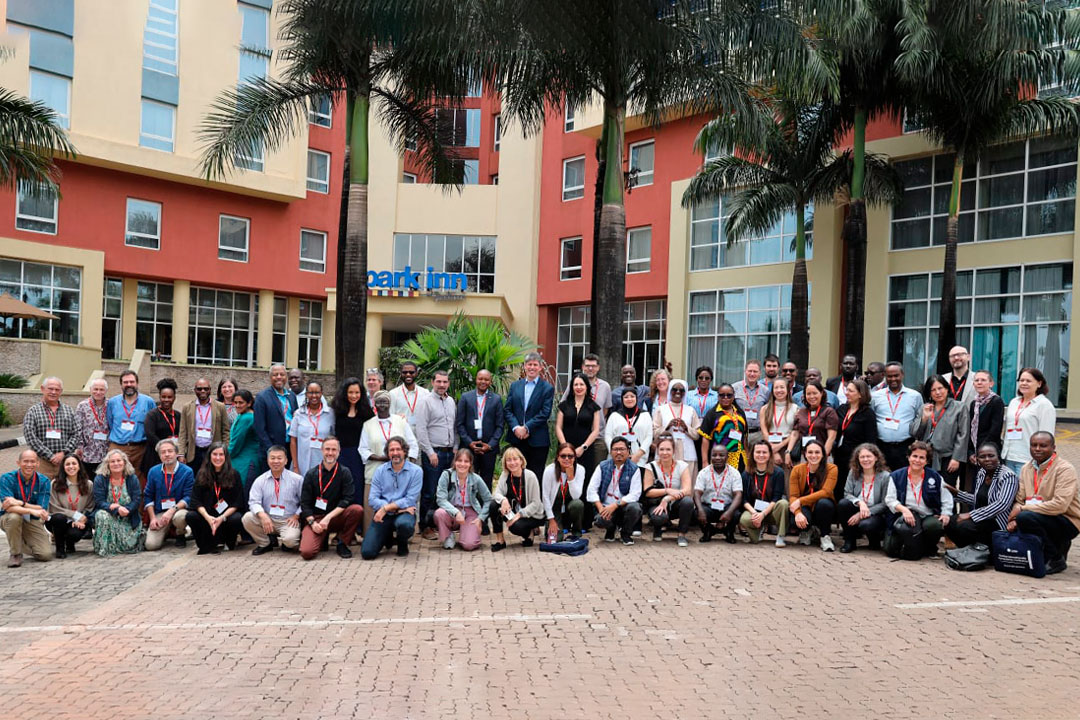
Del 3 al 5 de marzo de 2026, Cáritas Internationalis celebró su Conferencia Humanitaria en Kigali, Ruanda, bajo el lema “Arraigados en la compasión, a la altura del desafío: la acción humanitaria de Cáritas en un mundo cambiante”. Este encuentro global se produjo en un contexto de profunda transformación, marcado por tensiones geopolíticas, desastres climáticos y conflictos prolongados que exigen una mayor agilidad y solidaridad por parte de las organizaciones religiosas. El objetivo central fue impulsar la sabiduría colectiva de la red y trazar un camino transformador que responda a los desafíos actuales.
La región de América Latina y el Caribe estuvo representada por Janeth Marquez y Susana Rafalli, de Cáritas Venezuela; Wilfredo Cervantes, de Cáritas Honduras; y Winter Lamarque, de Cáritas Haití.
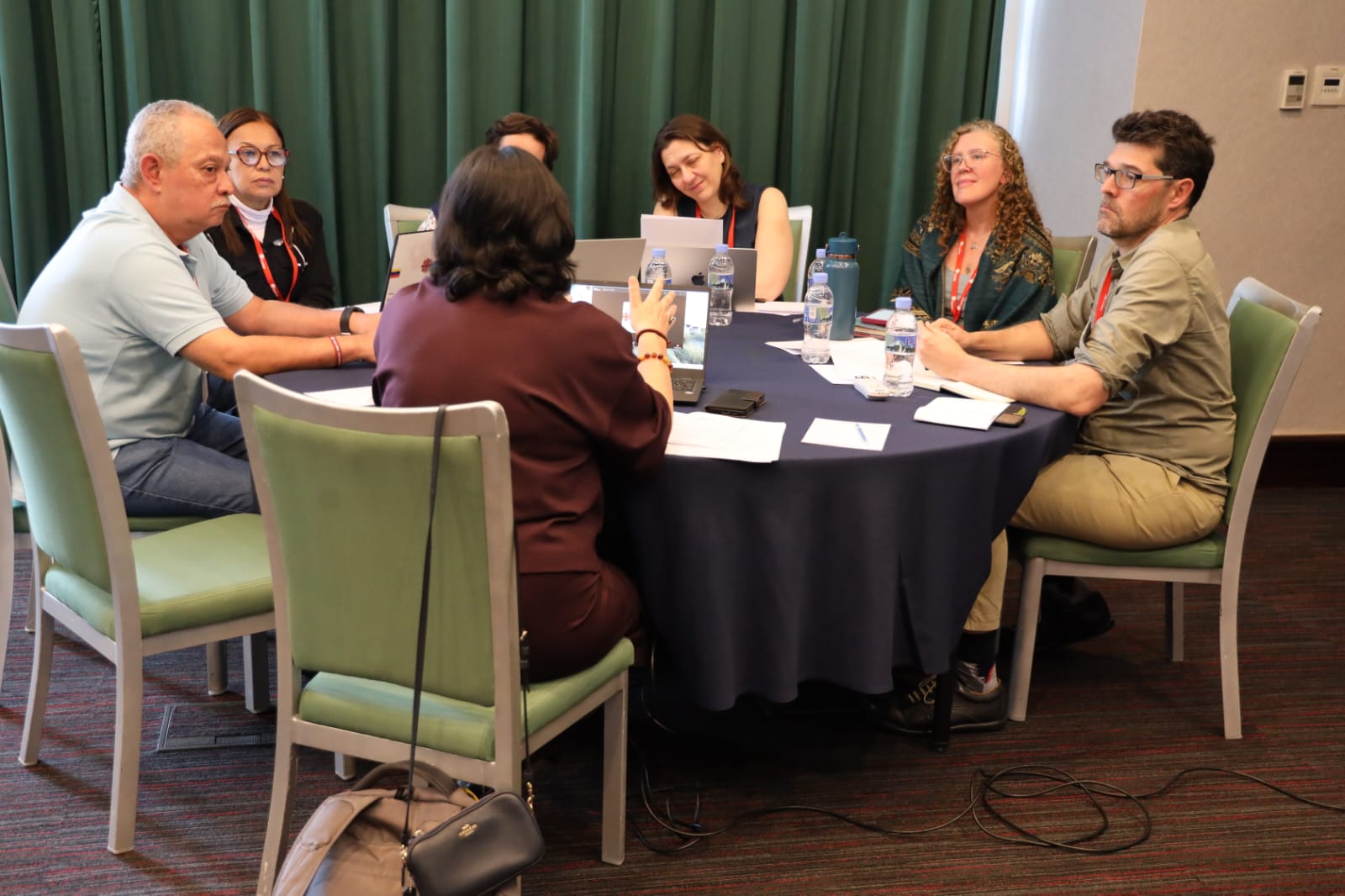
Tras su participación en Kigali, Janeth Márquez (Cáritas Venezuela) y Wilfredo Cervantes compartieron con la Core Ampliada de Cáritas LAC sus percepciones sobre el evento, reafirmando la importancia de participación de nuestra región en estos espacios.
Para Janeth Márquez, “es un evento importante porque al final validan muchas cosas de lo que está pasando en nuestra red. Es como la columna vertebral de muchos temas importantes”. La directora de Cáritas de Venezuela enfatizó que América Latina debe redoblar esfuerzos para aumentar su participación. “Debemos marcar pautas como región en aquellos temas donde tenemos una experiencia propia y no solo seguir las agendas que son prioridad para otros países”, afirmó.
Por su parte, Wilfredo Cervantes resaltó que dentro del marco estratégico de la confederación está el objetivo estratégico número 2, que es el que tiene que ver con todo este tema de emergencias y gestión de riesgos, y la importancia de tener este espacio a cada dos años para actualizar sobre el camino recorrido. Cervantes destacó que se logró visualizar gráficamente los llamados de emergencia (EA). “Nuestra región es la que menos llamados de emergencia presenta en términos de volumen financiero, y es vital que se entienda esa desproporcionalidad para no invisibilizar nuestras crisis”, advirtió Cervantes.
Como resonancia de participación en este espacio, el director de Cáritas Honduras rescató una premisa para comprender la misión de Cáritas: no se trata sólo del "qué" o el "cómo" hacemos las cosas, sino del "por qué".
.jpeg)
Care of the common home and Holistic Human Development