Stories
América Latina y el Caribe
13-06-2025
Papa León XIV: “La pobreza más grave es no conocer a Dios”
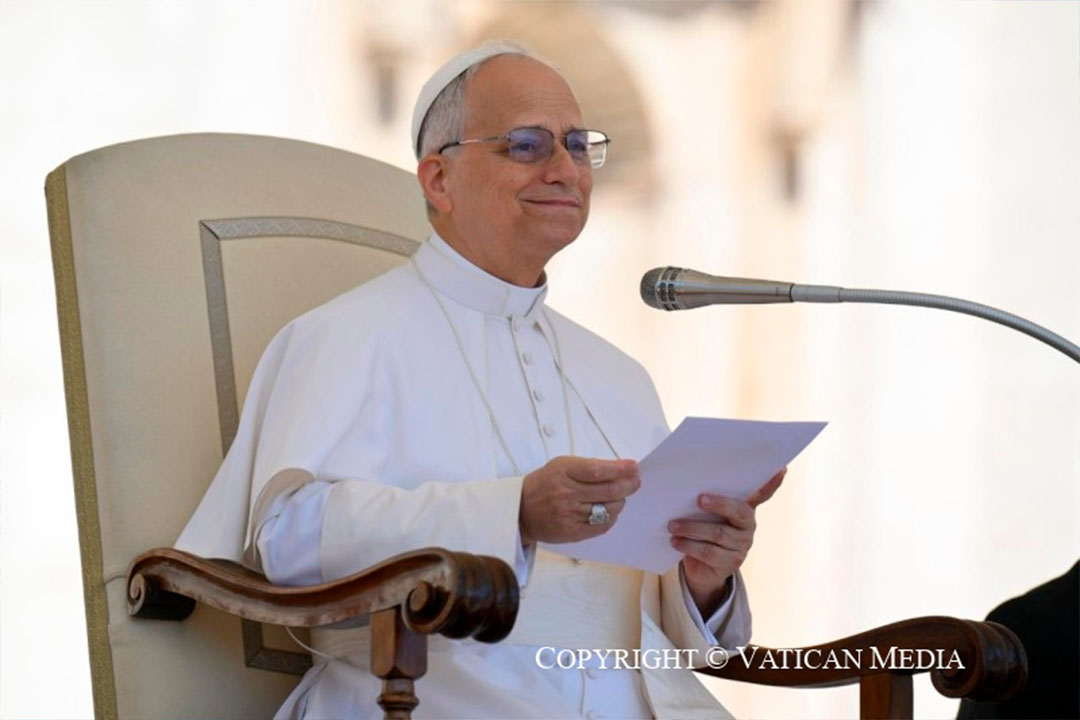
«Tú, Señor, eres mi esperanza» (Sal 71,5), así comienza el mensaje del Santo Padre, publicado este viernes 13 de junio, para la IX Jornada Mundial de los Pobres que se celebrará el próximo 16 de noviembre. El Papa León XIV expresa en su mensaje que “el pobre puede convertirse en testigo de una esperanza fuerte y fiable, precisamente porque la profesa en una condición de vida precaria, marcada por privaciones, fragilidad y marginación. No confía en las seguridades del poder o del tener; al contrario, las sufre y con frecuencia es víctima de ellas”.
Lea el mensaje.
MENSAJE DEL SANTO PADRE LEÓN XIV
PARA LA IX JORNADA MUNDIAL DE LOS POBRES
16 de noviembre de 2025, XXXIII Domingo del T.O.
______________________________________________________
Tú, Señor, eres mi esperanza (cfr Sal 71,5)
1. «Tú, Señor, eres mi esperanza» (Sal 71,5). Estas palabras brotan de un corazón oprimido por graves dificultades: «Me hiciste pasar por muchas angustias» (v. 20), dice el salmista. A pesar de ello, su alma está abierta y confiada, porque permanece firme en la fe, que reconoce el apoyo de Dios y lo proclama: «Tú eres mi Roca y mi fortaleza» (v. 3). De ahí nace la confianza indefectible de que la esperanza en Él no defrauda: «Yo me refugio en ti, Señor, ¡que nunca tenga que avergonzarme!» (v. 1).
En medio de las pruebas de la vida, la esperanza se anima con la certeza firme y alentadora del amor de Dios, derramado en los corazones por el Espíritu Santo. Por eso no defrauda (cf. Rm 5,5), y san Pablo puede escribir a Timoteo: «Nosotros nos fatigamos y luchamos porque hemos puesto nuestra esperanza en el Dios viviente» (1Tm 4,10). El Dios viviente es, de hecho, el «Dios de la esperanza» (Rm 15,13), que, en Cristo, mediante su muerte y resurrección, se ha convertido en «nuestra esperanza» (1Tm 1,1). No podemos olvidar que hemos sido salvados en esta esperanza, en la que necesitamos permanecer enraizados.
2. El pobre puede convertirse en testigo de una esperanza fuerte y fiable, precisamente porque la profesa en una condición de vida precaria, marcada por privaciones, fragilidad y marginación. No confía en las seguridades del poder o del tener; al contrario, las sufre y con frecuencia es víctima de ellas. Su esperanza sólo puede reposar en otro lugar. Reconociendo que Dios es nuestra primera y única esperanza, nosotros también realizamos el paso de las esperanzas efímeras a la esperanza duradera. Frente al deseo de tener a Dios como compañero de camino, las riquezas se relativizan, porque se descubre el verdadero tesoro del que realmente tenemos necesidad. Resuenan claras y fuertes las palabras con las que el Señor Jesús exhortaba a sus discípulos: «No acumulen tesoros en la tierra, donde la polilla y la herrumbre los consumen, y los ladrones perforan las paredes y los roban. Acumulen, en cambio, tesoros en el cielo, donde no hay polilla ni herrumbre que los consuma, ni ladrones que perforen y roben» (Mt 6,19-20).
3. La pobreza más grave es no conocer a Dios. Así nos lo recordaba el Papa Francisco cuando en Evangelii gaudium escribía: «La peor discriminación que sufren los pobres es la falta de atención espiritual. La inmensa mayoría de los pobres tiene una especial apertura a la fe; necesitan a Dios y no podemos dejar de ofrecerles su amistad, su bendición, su Palabra, la celebración de los Sacramentos y la propuesta de un camino de crecimiento y de maduración en la fe» (n. 200). Aquí se manifiesta una conciencia fundamental y totalmente original sobre cómo encontrar en Dios el propio tesoro. Insiste, en efecto, el apóstol Juan: «El que dice: “Amo a Dios”, y no ama a su hermano, es un mentiroso. ¿Cómo puede amar a Dios, a quien no ve, el que no ama a su hermano, a quien ve?» (1 Jn 4,20).
Es una regla de la fe y un secreto de la esperanza que todos los bienes de esta tierra, las realidades materiales, los placeres del mundo, el bienestar económico, aunque importantes, no bastan para hacer feliz al corazón. Las riquezas muchas veces engañan y conducen a situaciones dramáticas de pobreza, la más grave de todas es pensar que no necesitamos a Dios y que podemos llevar adelante la propia vida independientemente de Él. Vuelven a la mente las palabras de san Agustín: «Sea Dios toda tu presunción: siéntete indigente de Él, y así serás de Él colmado. Todo lo que poseas sin Él, te causará un mayor vacío.» (Enarr. in Ps. 85,3).
4. La esperanza cristiana, a la que remite la Palabra de Dios, es certeza en el camino de la vida, porque no depende de la fuerza humana sino de la promesa de Dios, que es siempre fiel. Por eso, los cristianos desde los orígenes quisieron identificar la esperanza con el símbolo del ancla, que da estabilidad y seguridad. La esperanza cristiana es como un ancla que fija nuestro corazón en la promesa del Señor Jesús, quien nos ha salvado con su muerte y resurrección y que volverá de nuevo en medio de nosotros. Esta esperanza sigue señalando como verdadero horizonte de vida el «cielo nuevo» y la «tierra nueva» (2 P 3,13) donde la existencia de todas las criaturas encontrará su sentido auténtico, pues nuestra verdadera patria está en el cielo (cf. Flp 3,20).
La ciudad de Dios, en consecuencia, nos compromete con las ciudades de los hombres. Estas deben, desde ahora, comenzar a parecerse a ella. La esperanza, sostenida por el amor de Dios derramado en nuestros corazones por medio del Espíritu Santo (cf. Rm 5,5 transforma el corazón humano en tierra fértil, donde puede brotar la caridad para la vida del mundo. La Tradición de la Iglesia reafirma constantemente esta circularidad entre las tres virtudes teologales: fe, esperanza y caridad. La esperanza nace de la fe, que la alimenta y sostiene, sobre el fundamento de la caridad, que es madre de todas las virtudes. Y de la caridad tenemos necesidad hoy, ahora. No es una promesa, sino una realidad a la que miramos con alegría y responsabilidad: nos compromete, orientando nuestras decisiones al bien común. Quien carece de caridad no solo carece de fe y esperanza, sino que quita esperanza a su prójimo.
5. La invitación bíblica a la esperanza conlleva, por tanto, el deber de asumir responsabilidades coherentes en la historia, sin dilaciones. La caridad, en efecto, «representa el mayor mandamiento social» (Catecismo de la Iglesia Católica, 1889). La pobreza tiene causas estructurales que deben ser afrontadas y eliminadas. Mientras esto sucede, todos estamos llamados a crear nuevos signos de esperanza que testimonien la caridad cristiana, como lo hicieron muchos santos y santas de todas las épocas. Los hospitales y las escuelas, por ejemplo, son instituciones creadas para expresar la acogida hacia los más débiles y marginados. Hoy deberían formar parte ya de las políticas públicas de todo país, pero las guerras y desigualdades con frecuencia lo impiden. Cada vez más, los signos de esperanza son hoy las casas-familia, las comunidades para menores, los centros de escucha y acogida, los comedores para los pobres, los albergues, las escuelas populares: cuántos signos, a menudo escondidos, a los que quizás no prestamos atención y, sin embargo, tan importantes para sacudirnos de la indiferencia y motivar el compromiso en las distintas formas de voluntariado.
Los pobres no son una distracción para la Iglesia, sino los hermanos y hermanas más amados, porque cada uno de ellos, con su existencia, e incluso con sus palabras y la sabiduría que poseen, nos provoca a tocar con las manos la verdad del Evangelio. Por eso, la Jornada Mundial de los Pobres quiere recordar a nuestras comunidades que los pobres están en el centro de toda la acción pastoral. No solo de su dimensión caritativa, sino también de lo que la Iglesia celebra y anuncia. Dios ha asumido su pobreza para enriquecernos a través de sus voces, sus historias, sus rostros. Toda forma de pobreza, sin excluir ninguna, es un llamado a vivir concretamente el Evangelio y a ofrecer signos eficaces de esperanza.
6. Esta es la invitación que nos llega de la celebración del Jubileo. No es casualidad que la Jornada Mundial de los Pobres se celebre hacia el final de este año de gracia. Cuando se cierre la Puerta Santa, tendremos que custodiar y transmitir los dones divinos que han sido derramados en nuestras manos a lo largo de todo un año de oración, conversión y testimonio. Los pobres no son objetos de nuestra pastoral, sino sujetos creativos que nos estimulan a encontrar siempre formas nuevas de vivir el Evangelio hoy. Ante la sucesión de nuevas oleadas de empobrecimiento, existe el riesgo de acostumbrarse y resignarse. Todos los días nos encontramos con personas pobres o empobrecidas y, a veces, puede suceder que seamos nosotros mismos los que tengamos menos, los que perdamos lo que antes nos parecía seguro: una vivienda, comida adecuada para el día, acceso a la atención médica, un buen nivel de educación e información, libertad religiosa y de expresión.
Al promover el bien común, nuestra responsabilidad social se basa en el gesto creador de Dios, que a todos da los bienes de la tierra; y al igual que estos, también los frutos del trabajo del hombre deben ser accesibles de manera equitativa. Ayudar al pobre es, en efecto, una cuestión de justicia, antes que de caridad. Como observa San Agustín: «Das pan al hambriento, pero sería mejor que nadie sintiese hambre y no tuvieses a nadie a quien dar. Vistes al desnudo, pero ¡ojalá todos estuviesen vestidos y no hubiese necesidad de vestir a nadie!» (Homilías sobre la primera carta de san Juan a los partos, VIII, 5).
Espero, por tanto, que este Año Jubilar pueda impulsar el desarrollo de políticas para combatir antiguas y nuevas formas de pobreza, además de nuevas iniciativas de apoyo y ayuda a los más pobres entre los pobres. El trabajo, la educación, la vivienda y la salud son las condiciones para una seguridad que nunca se logrará con las armas. Estoy contento por las iniciativas ya existentes y por el compromiso que cada día asumen a nivel internacional un gran número de hombres y mujeres de buena voluntad.
Confiemos en María Santísima, Consuelo de los afligidos, y con ella entonemos un canto de esperanza haciendo nuestras las palabras del Te Deum: «In Te, Domine, speravi, non confundar in aeternum —En ti, Señor, confié, no me veré defraudado para siempre».
Vaticano, 13 de junio de 2025, memoria de San Antonio de Padua, Patrono de los Pobres
LEÓN PP. XIV
(Informaciones de VaticanNews)
Identity and spirituality