Stories
América Latina y el Caribe
13-02-2026
Papa León XIV envía su primer mensaje para Cuaresma y pide formas de abstinencia concreta

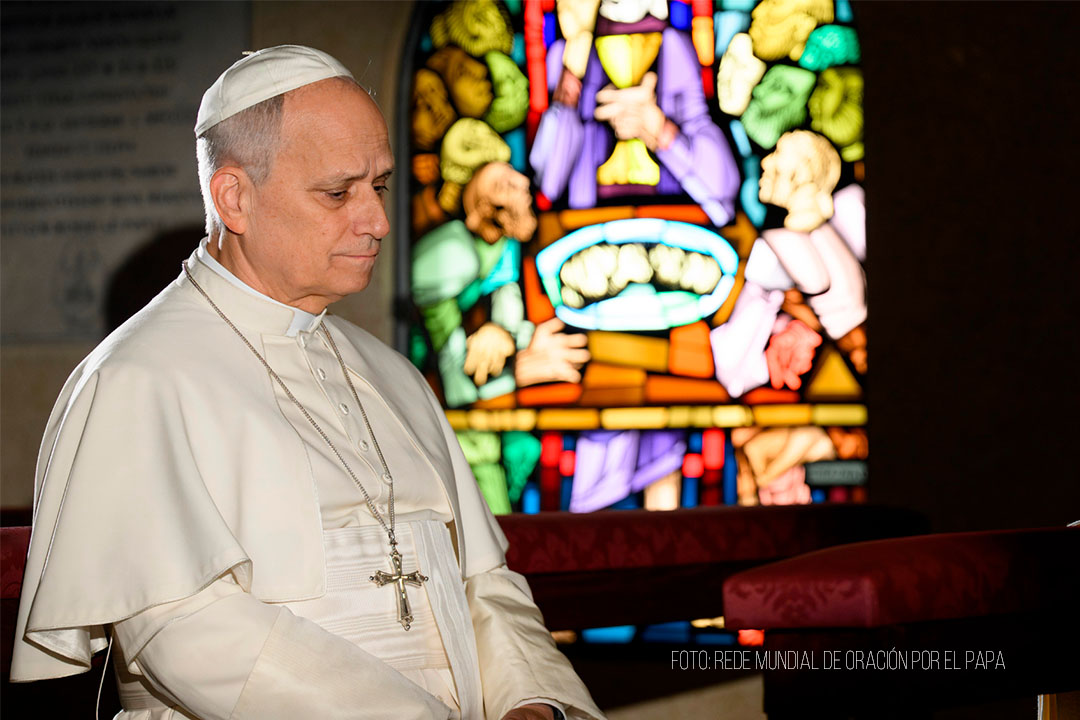
En su mensaje para la Cuaresma 2026, la primera de su pontificado, el Papa León XIV pide formas de “abstinencia concreta” como “desarmar el lenguaje” y cultivar la amabilidad, pero también escuchar la Palabra de Dios y el clamor de los últimos, y hacerlo juntos, en nuestras comunidades, abiertas a acoger a quienes sufren.
El mensaje titulado “Escuchar y ayunar. La Cuaresma como tiempo de conversión”, invita a pedir “la gracia de vivir una Cuaresma que haga más atento nuestro oído a Dios y a los más necesitados. Pidamos la fuerza de un ayuno que alcance también a la lengua, para que disminuyan las palabras que hieren y crezca el espacio para la voz de los demás”.
El Pontífice insta además a comprometerse
para que nuestras comunidades se conviertan en lugares donde el grito de los que sufren encuentre acogida y la escucha genere caminos de liberación, haciéndonos más dispuestos y diligentes para contribuir a edificar la civilización del amor.
Lea a continuación el texto completo del Mensaje para la Cuaresma del Papa León XIV.
MENSAJE DEL SANTO PADRE LEÓN XIV PARA LA CUARESMA 2026
Escuchar y ayunar.
La Cuaresma como tiempo de conversión
Queridos hermanos y hermanas:
La Cuaresma es el tiempo en el que la Iglesia, con solicitud maternal, nos invita a poner de nuevo el misterio de Dios en el centro de nuestra vida, para que nuestra fe recobre su impulso y el corazón no se disperse entre las inquietudes y distracciones cotidianas.
Todo camino de conversión comienza cuando nos dejamos alcanzar por la Palabra y la acogemos con docilidad de espíritu. Existe, por tanto, un vínculo entre el don de la Palabra de Dios, el espacio de hospitalidad que le ofrecemos y la transformación que ella realiza. Por eso, el itinerario cuaresmal se convierte en una ocasión propicia para escuchar la voz del Señor y renovar la decisión de seguir a Cristo, recorriendo con Él el camino que sube a Jerusalén, donde se cumple el misterio de su pasión, muerte y resurrección.
Escuchar
Este año me gustaría llamar la atención, en primer lugar, sobre la importancia de dar espacio a la Palabra a través de la escucha, ya que la disposición a escuchar es el primer signo con el que se manifiesta el deseo de entrar en relación con el otro.
Dios mismo, al revelarse a Moisés desde la zarza ardiente, muestra que la escucha es un rasgo distintivo de su ser: «Yo he visto la opresión de mi pueblo, que está en Egipto, y he oído los gritos de dolor» (Ex 3,7). La escucha del clamor de los oprimidos es el comienzo de una historia de liberación, en la que el Señor involucra también a Moisés, enviándolo a abrir un camino de salvación para sus hijos reducidos a la esclavitud.
Es un Dios que nos atrae, que hoy también nos conmueve con los pensamientos que hacen vibrar su corazón. Por eso, la escucha de la Palabra en la liturgia nos educa para una escucha más verdadera de la realidad.
Entre las muchas voces que atraviesan nuestra vida personal y social, las Sagradas Escrituras nos hacen capaces de reconocer la voz que clama desde el sufrimiento y la injusticia, para que no quede sin respuesta. Entrar en esta disposición interior de receptividad significa dejarnos instruir hoy por Dios para escuchar como Él, hasta reconocer que «la condición de los pobres representa un grito que, en la historia de la humanidad, interpela constantemente nuestra vida, nuestras sociedades, los sistemas políticos y económicos, y especialmente a la Iglesia». [1]
Ayunar
Si la Cuaresma es tiempo de escucha, el ayuno constituye una práctica concreta que dispone a la acogida de la Palabra de Dios. La abstinencia de alimento, en efecto, es un ejercicio ascético antiquísimo e insustituible en el camino de la conversión. Precisamente porque implica al cuerpo, hace más evidente aquello de lo que tenemos “hambre” y lo que consideramos esencial para nuestro sustento. Sirve, por tanto, para discernir y ordenar los “apetitos”, para mantener despierta el hambre y la sed de justicia, sustrayéndola de la resignación, educarla para que se convierta en oración y responsabilidad hacia el prójimo.
San Agustín, con sutileza espiritual, deja entrever la tensión entre el tiempo presente y la realización futura que atraviesa este cuidado del corazón, cuando observa que: «es propio de los hombres mortales tener hambre y sed de la justicia, así como estar repletos de la justicia es propio de la otra vida. De este pan, de este alimento, están repletos los ángeles; en cambio, los hombres, mientras tienen hambre, se ensanchan; mientras se ensanchan, son dilatados; mientras son dilatados, se hacen capaces; y, hechos capaces, en su momento serán repletos». [2] El ayuno, entendido en este sentido, nos permite no sólo disciplinar el deseo, purificarlo y hacerlo más libre, sino también expandirlo, de modo que se dirija a Dios y se oriente hacia el bien.
Sin embargo, para que el ayuno conserve su verdad evangélica y evite la tentación de enorgullecer el corazón, debe vivirse siempre con fe y humildad. Exige permanecer arraigado en la comunión con el Señor, porque «no ayuna de verdad quien no sabe alimentarse de la Palabra de Dios». [3] En cuanto signo visible de nuestro compromiso interior de alejarnos, con la ayuda de la gracia, del pecado y del mal, el ayuno debe incluir también otras formas de privación destinadas a hacernos adquirir un estilo de vida más sobrio, ya que « sólo la austeridad hace fuerte y auténtica la vida cristiana». [4]
Por eso, me gustaría invitarles a una forma de abstinencia muy concreta y a menudo poco apreciada, es decir, la de abstenerse de utilizar palabras que afectan y lastiman a nuestro prójimo. Empecemos a desarmar el lenguaje, renunciando a las palabras hirientes, al juicio inmediato, a hablar mal de quienes están ausentes y no pueden defenderse, a las calumnias. Esforcémonos, en cambio, por aprender a medir las palabras y a cultivar la amabilidad: en la familia, entre amigos, en el lugar de trabajo, en las redes sociales, en los debates políticos, en los medios de comunicación y en las comunidades cristianas. Entonces, muchas palabras de odio darán paso a palabras de esperanza y paz.
Juntos
Por último, la Cuaresma pone de relieve la dimensión comunitaria de la escucha de la Palabra y de la práctica del ayuno. También la Escritura subraya este aspecto de muchas maneras. Por ejemplo, cuando narra en el libro de Nehemías que el pueblo se reunió para escuchar la lectura pública del libro de la Ley y, practicando el ayuno, se dispuso a la confesión de fe y a la adoración, con el fin de renovar la alianza con Dios (cf. Ne 9,1-3).
Del mismo modo, nuestras parroquias, familias, grupos eclesiales y comunidades religiosas están llamados a realizar en Cuaresma un camino compartido, en el que la escucha de la Palabra de Dios, así como del clamor de los pobres y de la tierra, se convierta en forma de vida común, y el ayuno sostenga un arrepentimiento real. En este horizonte, la conversión no sólo concierne a la conciencia del individuo, sino también al estilo de las relaciones, a la calidad del diálogo, a la capacidad de dejarse interpelar por la realidad y de reconocer lo que realmente orienta el deseo, tanto en nuestras comunidades eclesiales como en la humanidad sedienta de justicia y reconciliación.
Queridos hermanos, pidamos la gracia de vivir una Cuaresma que haga más atento nuestro oído a Dios y a los más necesitados. Pidamos la fuerza de un ayuno que alcance también a la lengua, para que disminuyan las palabras que hieren y crezca el espacio para la voz de los demás. Y comprometámonos para que nuestras comunidades se conviertan en lugares donde el grito de los que sufren encuentre acogida y la escucha genere caminos de liberación, haciéndonos más dispuestos y diligentes para contribuir a edificar la civilización del amor.
Los bendigo de corazón a todos ustedes, y a su camino cuaresmal.
Vaticano, 5 de febrero de 2026, memoria de santa Águeda, virgen y mártir.
LEÓN XIV PP.
_____________________________________
[1] Exhort. ap. Dilexi te (4 octubre 2025), 9.
[2] S. Agustín, La utilidad del ayuno, 1, 1.
[3] Benedicto XVI, Catequesis (9 marzo 2011).
[4] S. Pablo VI, Catequesis (8 febrero 1978).
Identity and spirituality