Stories
América Latina y el Caribe
22-06-2026
La Zona Bolivariana de Cáritas LAC se reúne en Cochabamba en camino hacia el XXI Congreso Regional
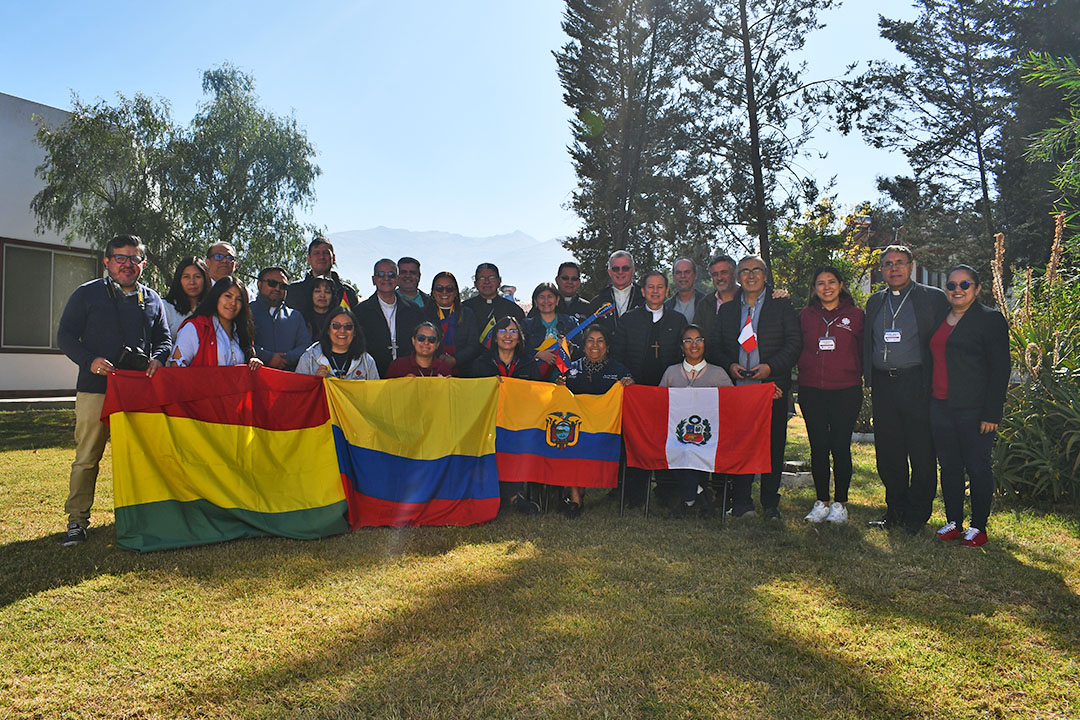
Desde el 15 y hasta el 19 de junio de 2026, representantes de las Cáritas nacionales de Bolivia, Colombia, Ecuador, Perú y Venezuela se encuentran reunidos en Cochabamba, Bolivia, en el marco del Encuentro de la Zona Bolivariana rumbo al XXI Congreso Regional de Cáritas América Latina y el Caribe. El evento reúne a obispos presidentes, directores nacionales, delegados y equipos de trabajo de los cinco países, animados por el lema "El amor de Cristo nos urge" y el espíritu de sinodalidad que impulsa a toda la familia Cáritas en este año de su 70 aniversario.
Llegada y apertura: un reencuentro fraterno
El lunes 15 de junio las delegaciones de los cinco países fueron recibidas calurosamente por Cáritas Bolivia, anfitriona del encuentro. Por la tarde, la jornada inaugural estuvo marcada por la celebración eucarística de bienvenida, en la que se agradecieron los 70 años de historia de Cáritas en América Latina y el Caribe, convocando a toda la zona bolivariana a iniciar el camino con oración y memoria agradecida.
La segunda jornada dio inicio a primera hora de la mañana con la Eucaristía en la que se ofreció el encuentro al Señor. La sesión inaugural contó con palabras de bienvenida de Mons. Gustavo Rodríguez Vega, quien se hizo presente de manera virtual, Janeth Márquez, coordinadora de la Zona Bolivariana, Elizabeth Zabala, directora de Cáritas Bolivia, y la intervención de Nicolás Meyer, coordinador regional de Cáritas América Latina y el Caribe.
La mañana estuvo dedicada al momento del "Ver", moderado por Cáritas del Perú. Cada delegación nacional expuso realidades urgentes de su país, contrastando signos de cambio y esperanza con los desafíos estructurales de la región. Bolivia, como país anfitrión, dispuso de diez minutos. Las exposiciones fueron enriquecidas por dos ponencias: una mirada zonal desde Bolivia sobre la Opción Preferencial por los Pobres y el Desarrollo Humano Integral (DHI), y un videomensaje de perspectiva geopolítica y global por parte una consultoría asesora de Caritas Internationalis.
El panorama dibujado fue exigente: la región bolivariana enfrenta estados frágiles, crecimiento del crimen organizado, desconfianza institucional, polarización agresiva, crisis energética y la presión de potencias globales sobre sus recursos. Sin embargo, emergieron también con fuerza los signos de esperanza: un sector de la juventud con mayor pensamiento crítico, el crecimiento del voluntariado, el reconocimiento público del trabajo de Cáritas en gestión de riesgos y el fortalecimiento de las redes parroquiales.
Por la tarde, tres ponencias sobre el momento del "Juzgar" interpelaron a la asamblea: Monseñor José Luis Azuaje, vicepresidente del CELAM y presidente de Cáritas Venezuela, exhortó a superar la burocracia y convertir a Cáritas en un verdadero "hospital de campaña". El padre Nelson Ortiz, director de Cáritas Colombiana, afirmó que el amor a los pobres es requisito para la santidad y que son los pobres quienes evangelizan. Elvy Monzant reflexionó sobre la incidencia como dimensión constitutiva de una Cáritas profética, llamada a ir más allá de ser una ONG para ser la voz de Dios y de los pobres.
El cierre del día martes fue ocasión para un panel histórico de gran densidad afectiva e institucional. Representantes de Cáritas Perú, Colombia, Venezuela, Bolivia y Ecuador compartieron los hitos de sus respectivas organizaciones, fundadas en su mayoría entre 1956 y 1961. Cáritas Colombia relató cómo creó el primer sistema de registro de población desplazada del país —antes que el propio Estado—, a través del sistema RUT. Cáritas Venezuela compartió cómo el programa SAMAN, creado en 2017 para monitorear la desnutrición infantil, rompió el silencio informativo sobre la crisis humanitaria. Cáritas Bolivia evocó su histórico acompañamiento a la marcha indígena de 1971 y su rol en la protección de miles de refugiados venezolanos en 2017. Cáritas Ecuador presentó el legado de Monseñor Julio Parrilla, quien transformó el pensamiento de "hacer Cáritas" al de "ser Cáritas", poniendo en el centro la dignidad de la persona. Cáritas Perú rindió homenaje a figuras que dieron su vida al servicio de la misión.
El panel dejó una convicción compartida: la fuerza de Cáritas no reside en los proyectos, sino en miles de personas voluntarias que, desde las parroquias, encarnan el amor de Dios a los más vulnerables.
Juzgar: la Cáritas que queremos ser
El miércoles 17 de junio, en la Eucaristía de la mañana presidida por Cáritas Perú, se imploraron los dones del Espíritu para discernir con sabiduría. La jornada comenzó con la plenaria del "Juzgar", en la que los grupos de trabajo presentaron sus reflexiones sobre la identidad que están llamadas a encarnar las Cáritas en la Zona Bolivariana.
De este debate emergió una imagen común: la Cáritas que la zona quiere construir debe estar encarnada en la realidad, escuchar y discernir con los pobres, tener a Cristo como centro y motor, mantener una identidad clara fundada en el Evangelio y la Doctrina Social de la Iglesia, e incidir en la política con sus propios valores. Se alertó con fuerza sobre el riesgo de la "trampa burocrática", olvidando que el personal es "colaborador del proyecto de Dios" y no solo trabajador.
Los obispos presentes subrayaron la necesidad de que Cáritas esté en profunda comunión eclesial, cuide a sus propios cuidadores y sea capaz de decir "no" a condiciones que comprometan su identidad eclesial.
Los días jueves 18 y viernes 19 de junio estuvieron destinados al momento del "Actuar", animado por el espíritu de dejarse impulsar por el Viento del Espíritu. Las Cáritas nacionales presentarán propuestas concretas sobre temas estructurales: el Sistema de Cooperación Regional, la sostenibilidad ante los cambios en la cooperación internacional, la cooperación fraterna y la cuota estatutaria, la identidad de Cáritas frente a las amenazas del entorno y el Modus Operandi.
Al final se leyó la Declaración Zonal, que recoge la voz comprometida y profética de la Zona Bolivariana como insumo para el XXI Congreso Regional de Cáritas LAC. Haz click en Descargar archivo (botón abajo) para leer el mensaje.
(Texto: María Eva Lobo / Fotos: María Eva Lobo, Alvaro Lopez, Paúl Lamiña)
.jpg)
.jpg)
.jpg)
.jpg)
.jpg)
.jpg)
.jpg)
.jpg)
.jpg)
.jpg)
.jpg)
.jpg)
.jpg)
.jpg)
.jpg)
Identity and spirituality