Stories
América Latina y el Caribe
27-08-2026
Iglesia en América Latina y el Caribe fortalece la cultura del cuidado y la prevención de abusos en encuentro en Brasilia
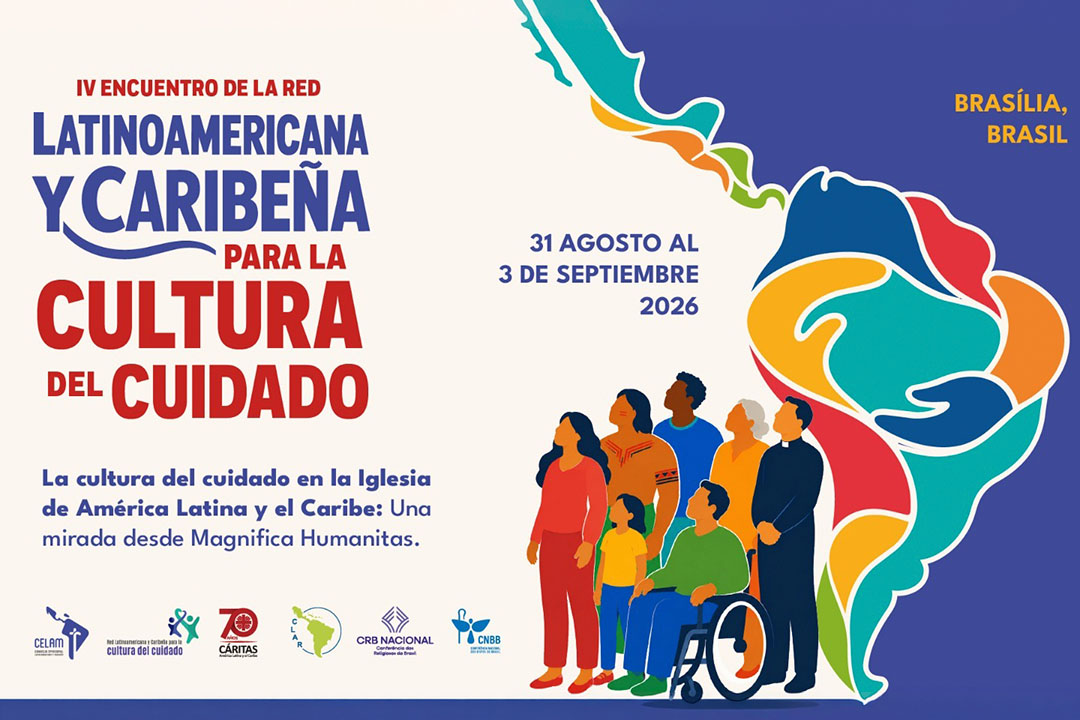
La Casa Dom Luciano Mendes de Almeida, en Brasilia (DF), Brasil, será sede, del 31 de agosto al 3 de septiembre de 2026, del IV Encuentro de la Red Latinoamericana y Caribeña para la Cultura del Cuidado. La iniciativa reunirá a 102 participantes de 17 países, entre responsables de la prevención de abusos de conferencias episcopales, congregaciones religiosas y de Cáritas América Latina y el Caribe. Brasil contará con una delegación de 41 representantes designados por la Conferencia Nacional de Obispos de Brasil (CNBB) y por la Conferencia de Religiosos de Brasil (CRB).
Este año, el encuentro tiene como tema central “La cultura del cuidado en la Iglesia de América Latina y el Caribe: una perspectiva a partir de la Magnifica Humanitas”. Las reflexiones pondrán especial énfasis en los abusos de naturaleza no sexual, como abusos de poder y de conciencia, y en las vulnerabilidades que emergen o se propagan en las redes sociales y en el entorno digital.
Trabajo en red y corresponsabilidad
La necesidad de una actuación articulada y permanente es uno de los pilares del evento. Mons. Wellington de Queiroz Vieira, obispo de Cristalândia (TO) y presidente de la Comisión Especial para la Tutela de Menores y Adultos Vulnerables de la CNBB, enfatiza que el afrontamiento de los abusos no puede ser una acción aislada. Para el obispo, la protección integral demanda un compromiso colectivo: “Exige red, corresponsabilidad, formación, vigilancia, humildad institucional y, sobre todo, exige conversión pastoral”, afirma, al destacar que el intercambio de experiencias es esencial para el avance de las estructuras de protección en Brasil y en América Latina.
Para la Vida Religiosa Consagrada, la iniciativa refuerza el compromiso de garantizar espacios seguros y acogedores en todos los frentes pastorales y sociales. La presidenta de la CRB Nacional, Hna. Maria do Disterro Rocha Santos, resalta la unión de esfuerzos en favor de la salvaguarda:
Estaremos reunidos para reflexionar, sumar fuerzas y renovar nuestro compromiso con el cuidado y la protección de los niños, niñas, adolescentes y de todas las personas en situación de vulnerabilidad.
Prevención, acogida y reparación
El coordinador de la Red Latinoamericana y Caribeña para la Cultura del Cuidado, P. Pedro Brassesco, explica que la iniciativa se apoya en tres ejes centrales: prevención, acogida/atención a los casos y reparación. Según el sacerdote, el diferencial de esta edición radica en el abordaje de los abusos no sexuales y de los riesgos virtuales, temática inspirada en la encíclica papal Magnifica Humanitas.
Para cualificar los debates, el evento contará con asesoría especializada internacional. “Seremos acompañados por el Padre Antonio Carrón, especialista español en estos temas, y contaremos con la participación de peritos de la Pontificia Comisión para la Tutela de Menores, que inician su mandato este año, lo que permite avanzar en el seguimiento de las directrices de la Santa Sede”, destaca.
Además de la formación técnica, el intercambio entre las delegaciones es uno de los puntos centrales de la metodología. El encuentro fue estructurado para acoger los avances e inquietudes de cada país a lo largo del último año, además de validar materiales formativos y planificar una campaña permanente de sensibilización.
Para el sacerdote, la escucha y el diálogo con los representantes de Brasil y del continente son fundamentales: “Creemos que el encuentro nos permitirá, junto con los delegados de las diferentes regiones de Brasil y de los demás países, seguir avanzando, fortaleciendo vínculos y ampliando la conciencia sobre las nuevas perspectivas que se abren en esta temática”, concluye.
Metodología y articulación continental
El programa del evento contempla conferencias, paneles temáticos, sesiones plenarias y trabajos por regiones geográficas (Cono Sur, Región Bolivariana, Caribe, Centroamérica y México y Centroamérica - CAMEX). El objetivo es fortalecer la cooperación internacional, intercambiar buenas prácticas y trazar directrices conjuntas para la continuidad de las acciones de salvaguarda en el continente.
Por Osnilda Lima
Identity and spirituality