Stories
América Latina y el Caribe
21-03-2025
En Brasília, líderes religiosos de América Latina unen sus voces por la acción climática en la COP 30 y lanzan documento
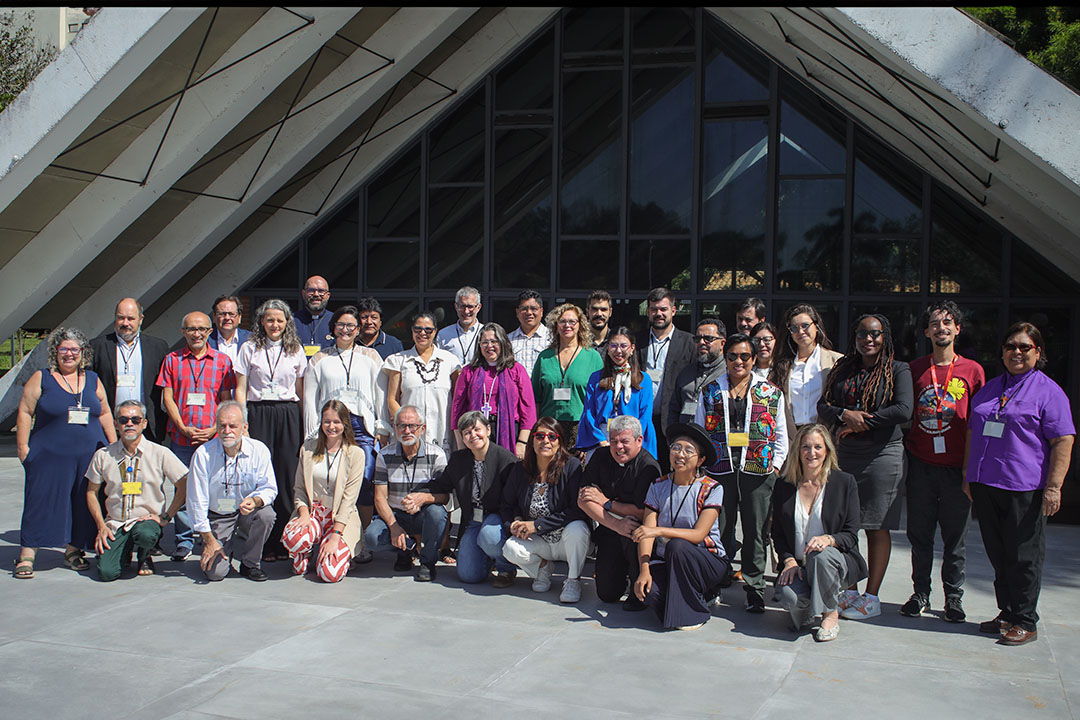
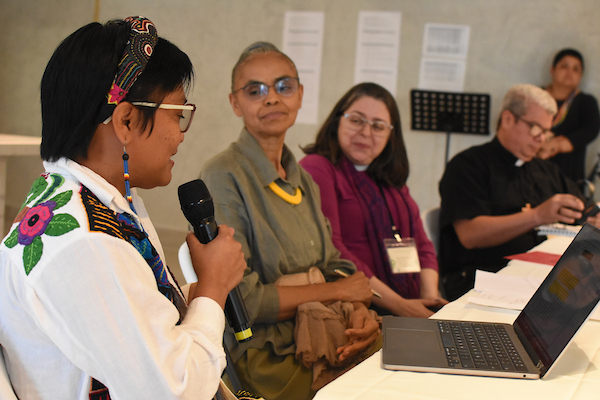
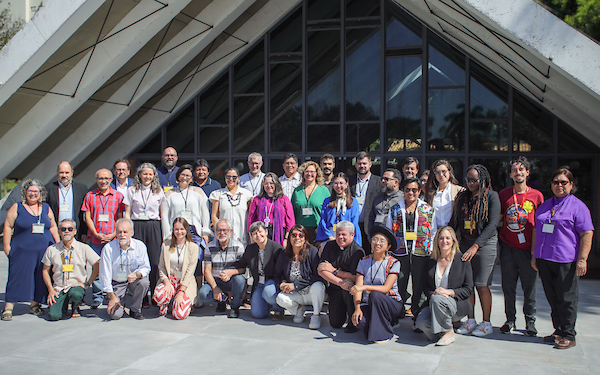
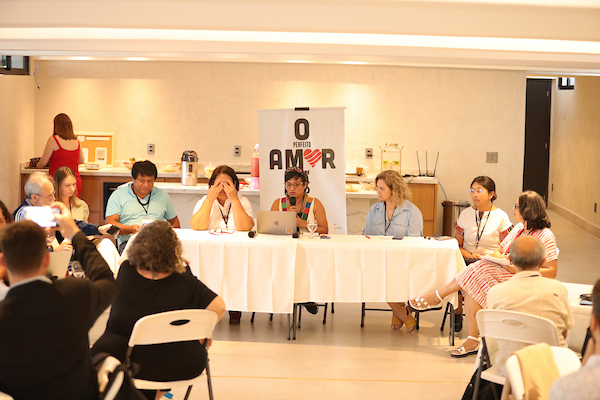
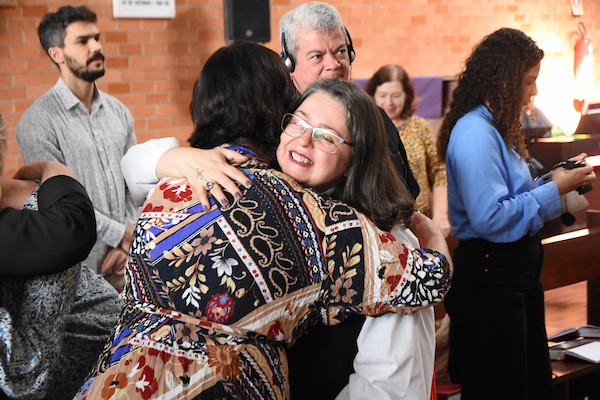
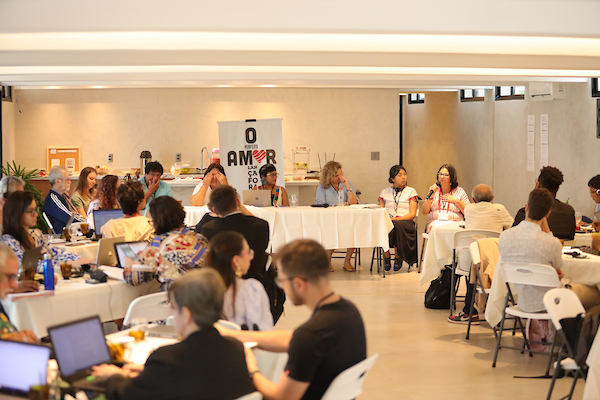
Del 18 al 20 de marzo, alrededor de 50 líderes religiosos, representantes de diferentes creencias, organizaciones ecuménicas, miembros de comunidades indígenas y expertos en clima se reunieron en Brasilia para desarrollar demandas comunes y fortalecer la confianza interreligiosa para la incidencia política, ofreciendo análisis político y técnico. Cáritas América Latina y el Caribe estuvo presente en este importante evento por su coordinadora de Incidencia, Damiana Lanusse. Desde Cáritas Internationalis, el proceso es acompañado por la Oficial de Incidencia senior en seguridad alimentaria y cambio climatico, Musamba Mubanga.
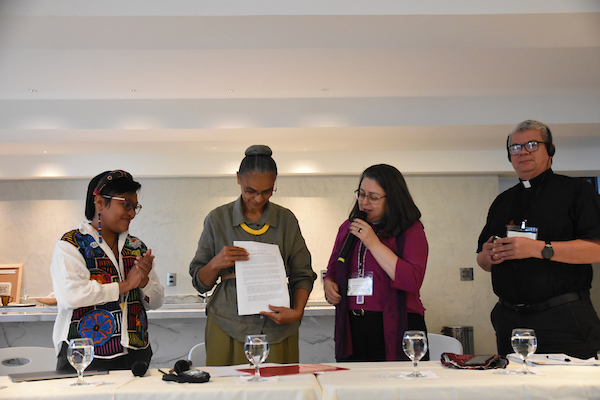
Fructo del encuentro, fue lanzado "Un Llamado a la Acción rumbo a la COP30" para emitir un fuerte llamado a la acción climática antes de la COP30, que se celebrará en Belém do Pará en el mes de noviembre. El documento es dirigido a los gobiernos parte de la COP y fue entregado a la Ministra de Medio Ambiente y Cambio Climático de Brasil, Marina Silva, que visitó al grupo en el último dia de la reunión.
Destrucción de los territorios sagrados
El documento denuncia la destrucción de la Amazonia y otros ecosistemas, así como los impactos en los pueblos que los habitan, causados por la agricultura a gran escala, la minería y la extracción de combustibles fósiles, actividades que priorizan la acumulación de capital. Además, destaca la creciente persecución de defensores y defensoras de los derechos humanos y el medioambiente.
En este contexto, “la COP30 en Belém es un momento crucial para reafirmar nuestro compromiso en nuestra lucha por la justicia climática. Marca el décimo aniversario del Acuerdo de París, un compromiso histórico para limitar el aumento de la temperatura global. Además, coincide con la necesidad de que cada país presente Contribuciones Determinadas a Nivel Nacional (las NDC, por sus siglas en inglés) actualizadas, y ambiciosas, demostrando sus compromisos para acelerar la acción climática”, menciona el documento.
Llamado a la acción
El mensaje insta a los gobiernos y a la comunidad internacional a demostrar liderazgo en cinco áreas prioritarias:
- Cumplir con las promesas de financiamiento: Exigen que se garantice el financiamiento climático necesario, priorizando subvenciones y nuevas fuentes de financiamiento público, bajo el principio de "quien contamina paga".
- Garantizar la integralidad del Fondo de Pérdidas y Daños: Solicitan que se operacionalice de manera inmediata, incluyendo impactos económicos y no económicos, y asegurando la entrega de subvenciones este año.
- Acelerar una transición justa para dejar de depender de los combustibles fósiles: Demandan compromisos en la COP30 que incluyan la transición hacia energías 100% renovables, la eliminación progresiva de subvenciones a los combustibles fósiles y la reorientación de estos fondos hacia el bienestar social.
- Apoyar a las comunidades para adaptarse al cambio climático: Piden a los gobiernos que incrementen el financiamiento para la adaptación, incluyendo la salud integral, y que presenten Planes Nacionales de Adaptación (NAP) liderados por las comunidades, con protección de ecosistemas clave, integridad territorial y derechos humanos.
- Priorizar las voces de quienes son más afectados: Insisten en la participación equitativa y significativa de las comunidades afectadas, incluyendo Pueblos Indígenas, Comunidades Locales, niños, jóvenes, mujeres y defensores de derechos humanos, en la toma de decisiones climáticas.
Finalmente, el documento reafirma el compromiso de acompañar este proceso, uniendo esfuerzos para lograr la justicia climática.
Descarga el documento en español, portugués y inglés.
La articulación ecuménica y el rol de Cáritas
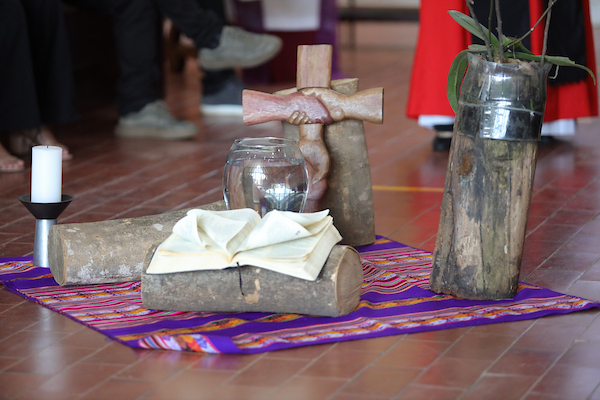
Damiana Lanusse destacó que este camino de colaboración ecuménica se inició a partir de la COP29 en Bonn, y que desde entonces, distintos miembros integrantes de distintos grupos de fe y confesiones cristianas se encontraron de manera espontánea. "Este encuentro fue fundamental para coordinar esfuerzos, preparar a nuestros líderes sobre las temáticas y el funcionamiento de la COP, y para elaborar un documento común: el llamado a la acción", explicó Lanusse.
Cáritas Internacional y el Secretariado Regional de Cáritas América Latina y el Caribe jugaron un papel central en las reuniones preparatorias, identificando y convocando a líderes clave como Monseñor Henry Ruiz, de Honduras, y Monseñor Vicente Ferreira, de Brasil. Además, se facilitó la participación de otras representaciones católicas como REPAM, Movimiento Laudato Si', Franciscanos e Iglesias y Minería. "Este esfuerzo responde al llamado del Papa Francisco a hermanarnos y caminar juntos, fortaleciendo el diálogo ecuménico e interreligioso", afirmó Lanusse.
Cáritas se compromete a seguir impulsando la incidencia a nivel regional, movilizando a las Cáritas nacionales y conferencias episcopales para que participen activamente en la implementación del Acuerdo de Paris y de lo que es la Convención Marco de las Naciones Unidas, que ya tiene sus objetivos bien delimitados. "Debemos asegurar que las ambiciones teóricas se traduzcan en acciones concretas que respondan a las expectativas de la sociedad civil", concluyó Lanusse.
(Fotos: Eugenio Albrecht/LWF y Bruno Dias Guedes)
.jpg)
.jpg)
Care of the common home and Holistic Human Development