Stories
América Latina y el Caribe
17-01-2025
Directores de Cáritas América Latina y el Caribe participan de curso sobre la protección de menores con la Comisión Pontificia
.jpg)
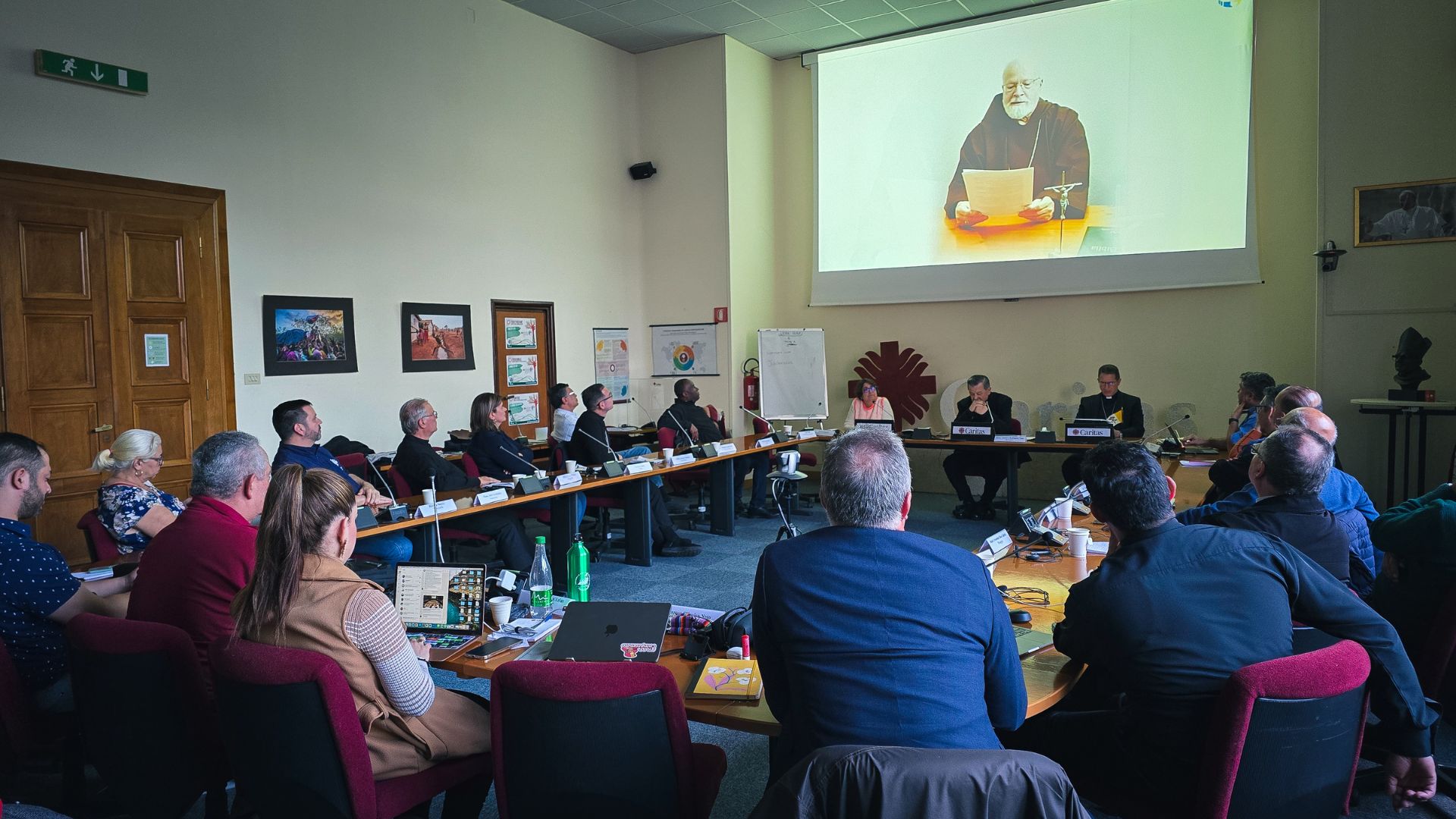
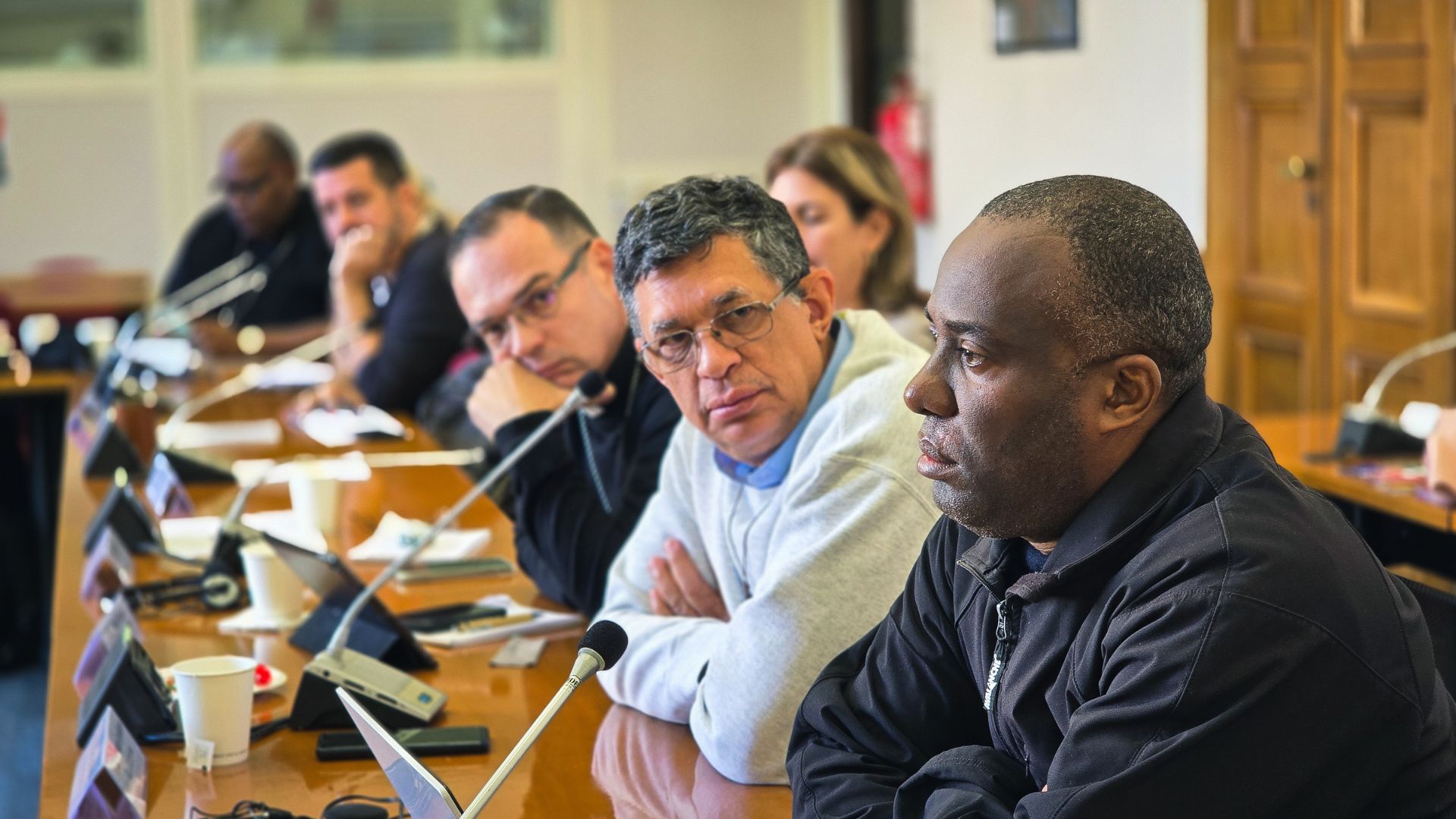
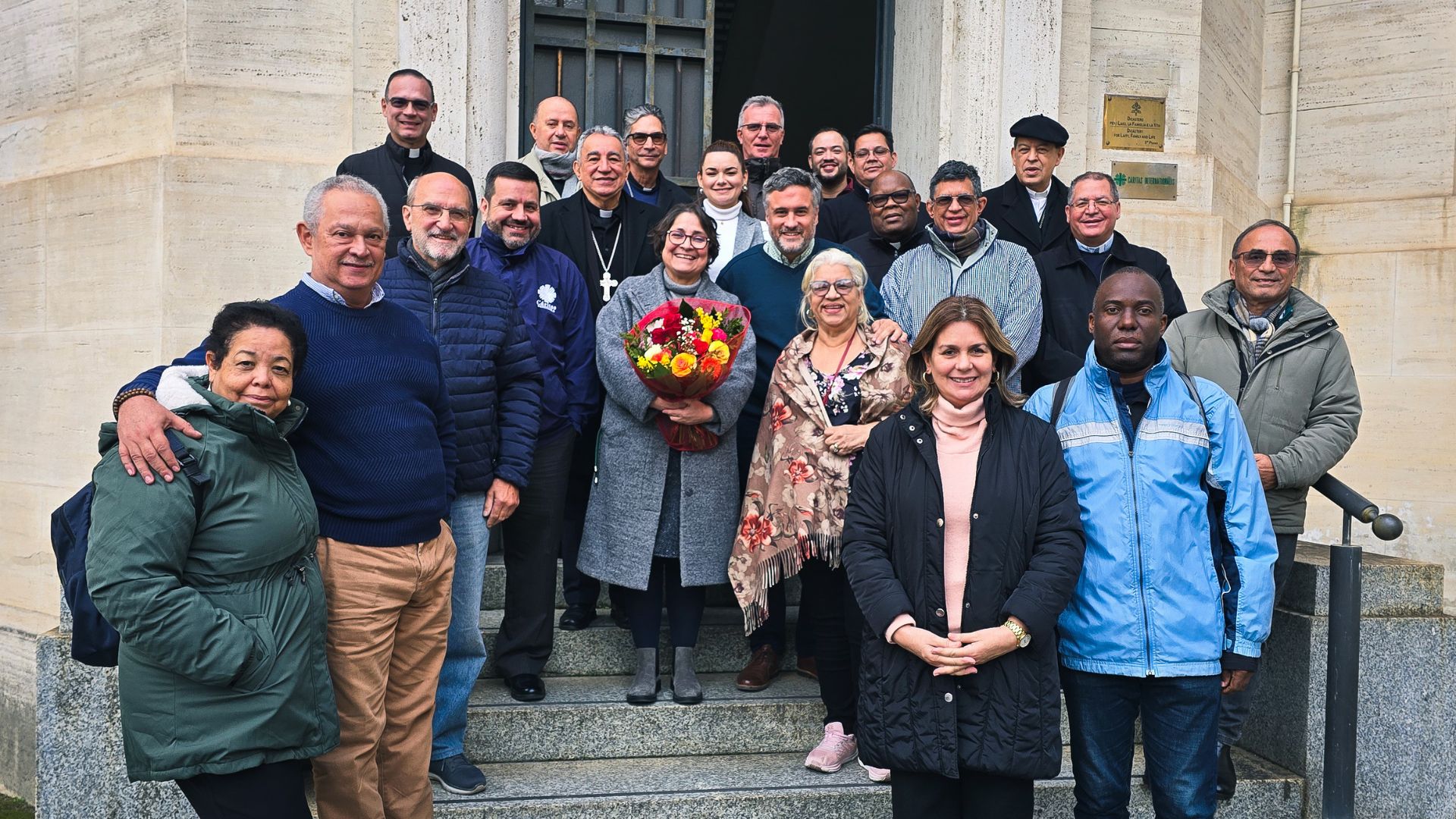
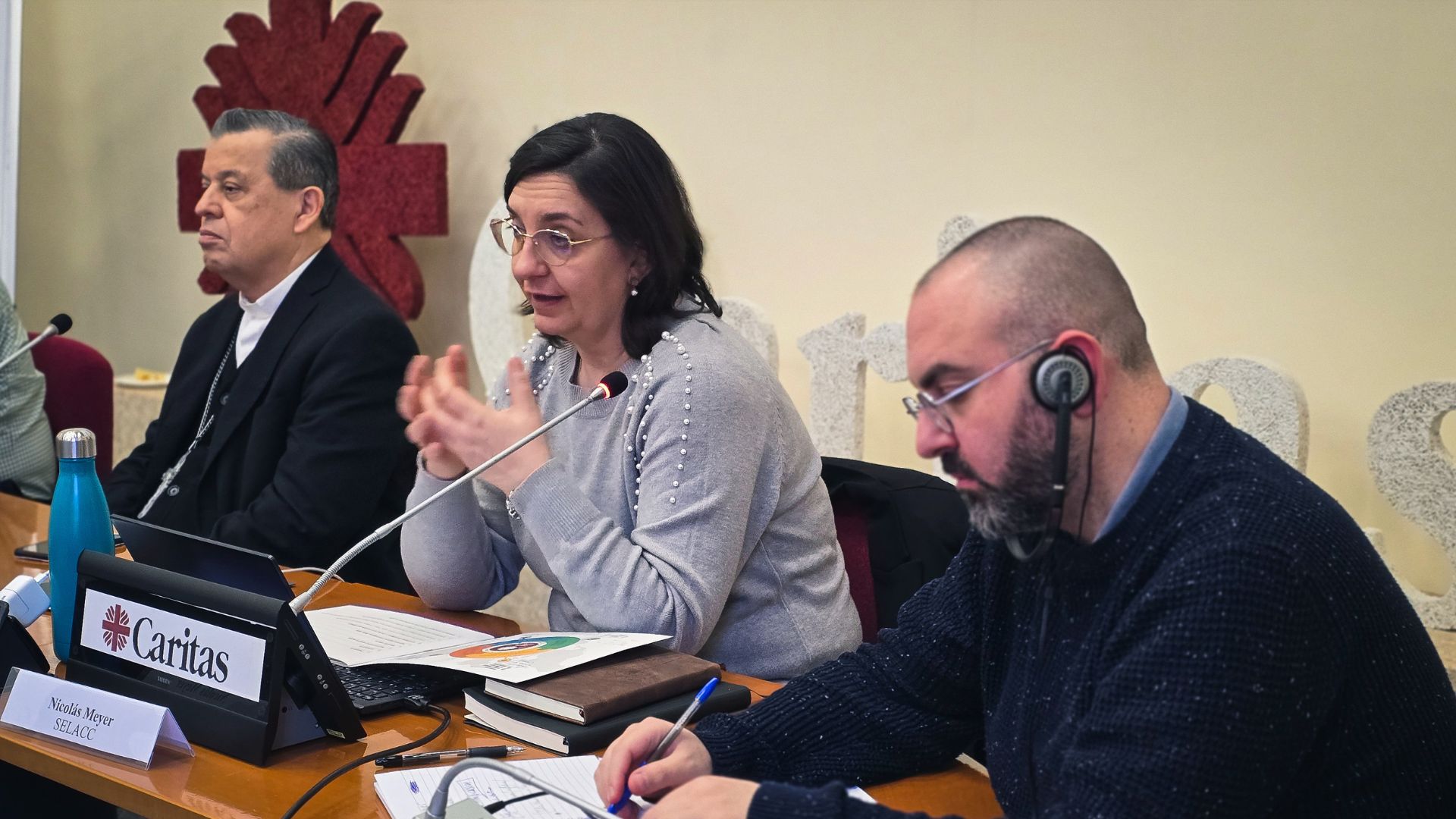
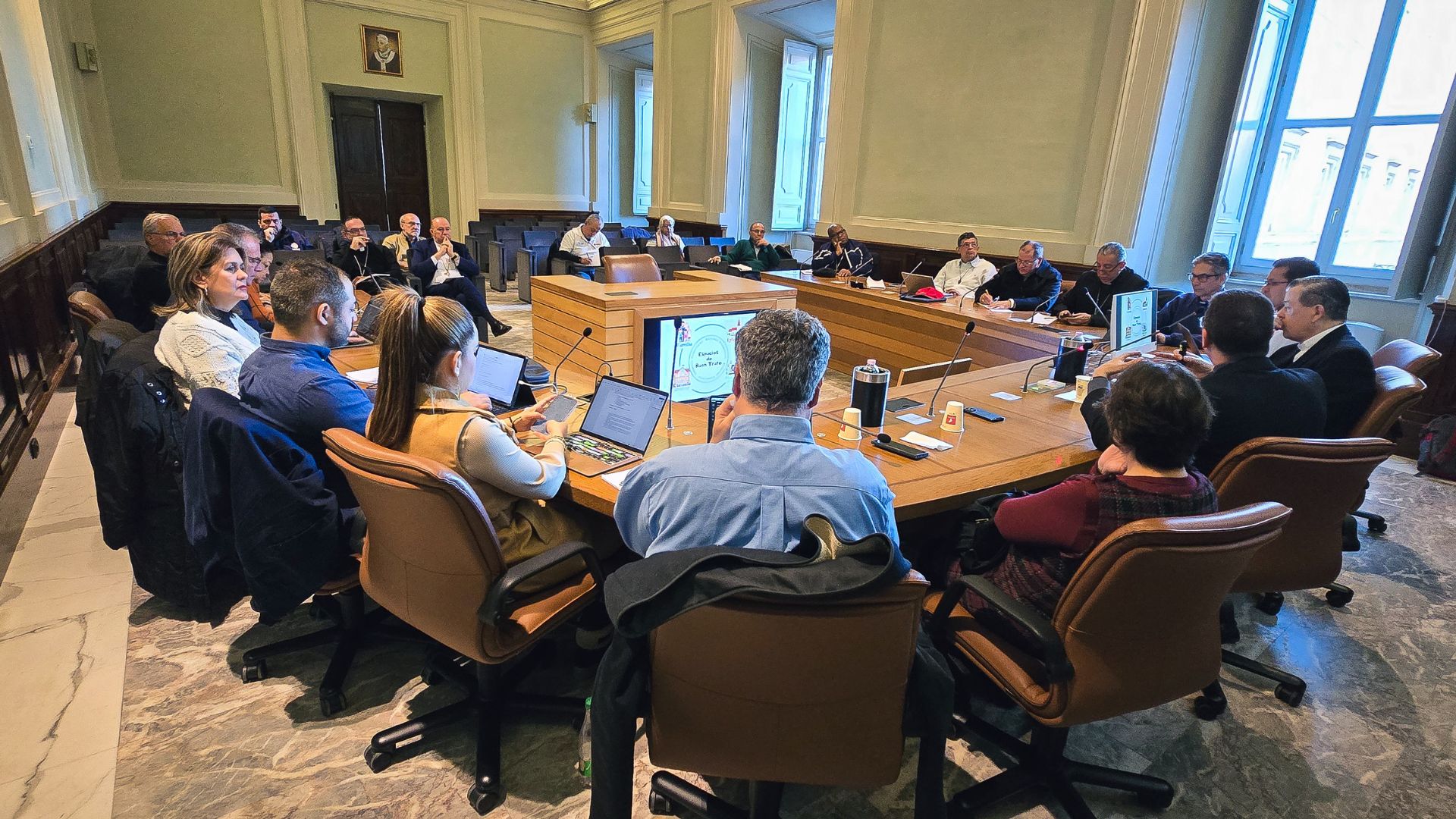
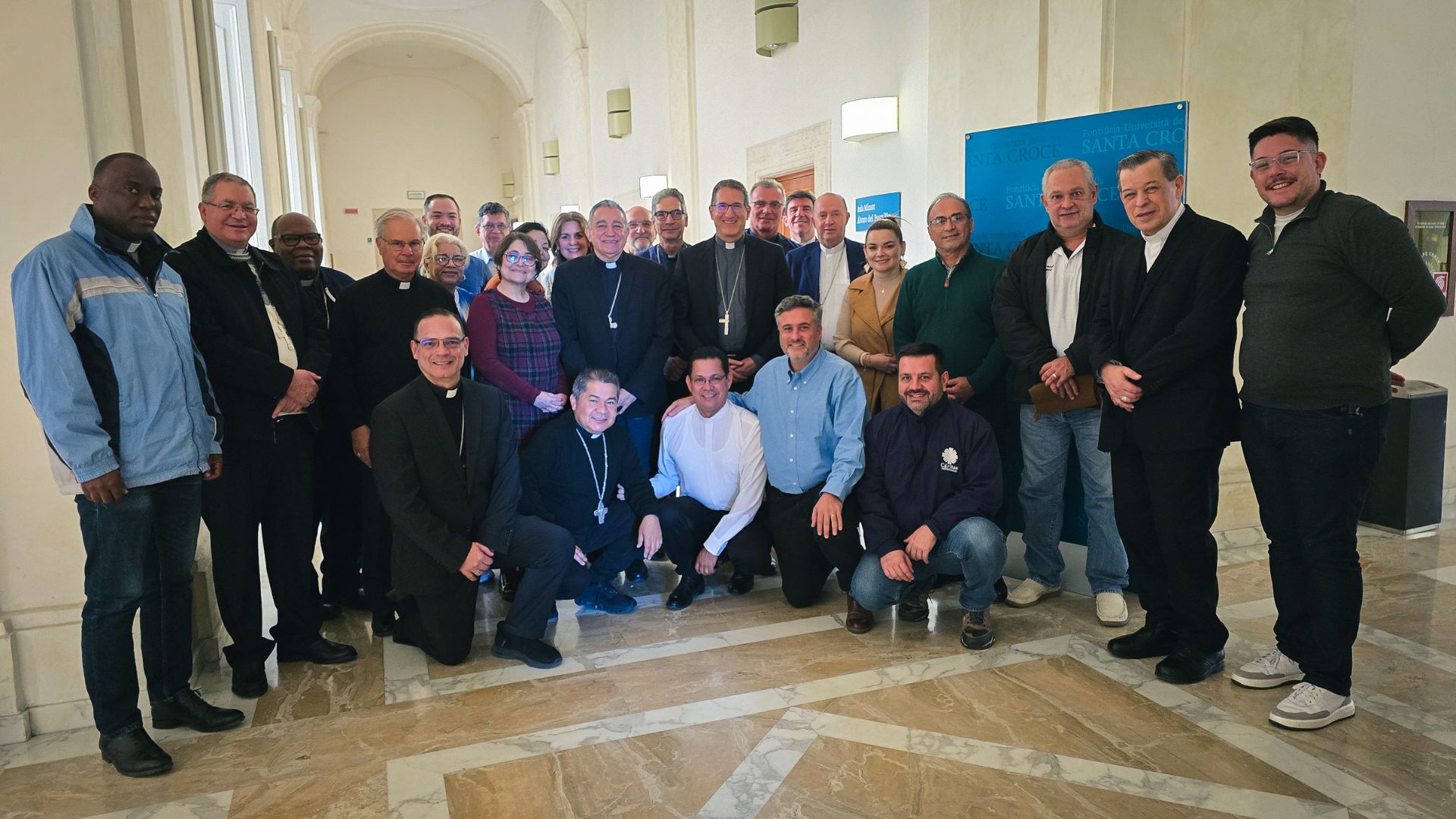
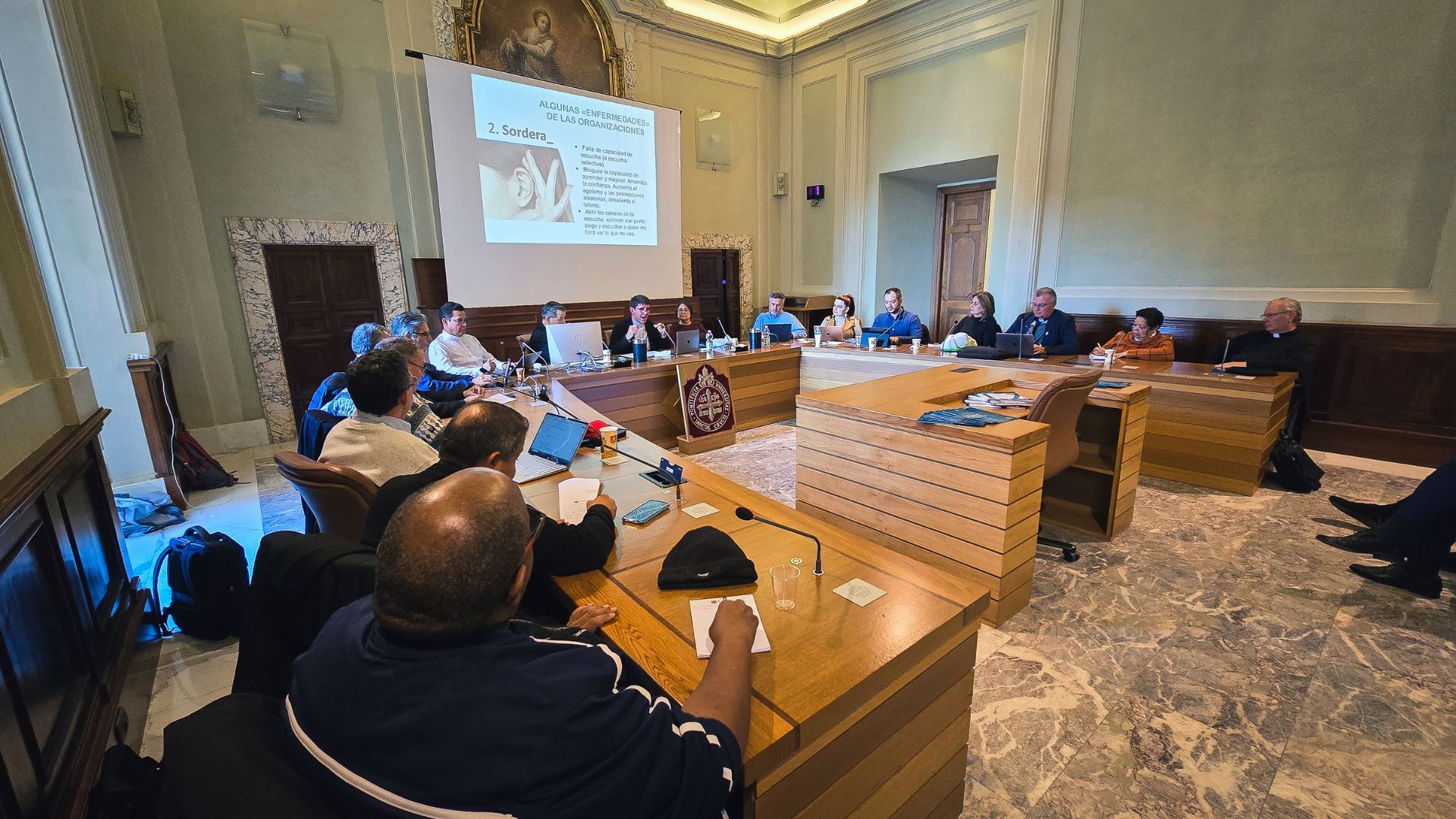
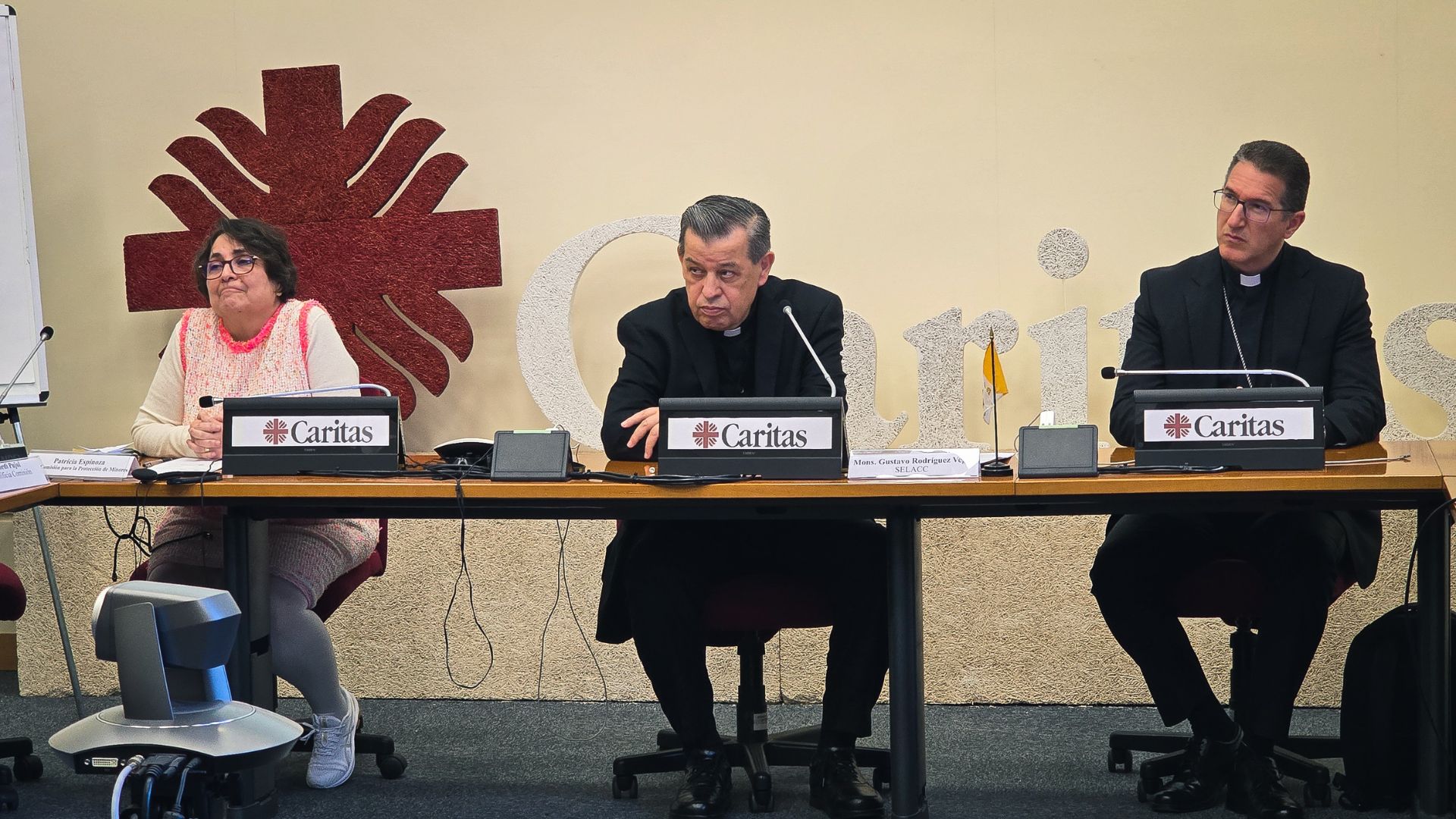
Del 13 al 17 de enero, 22 obispos presidentes y directores nacionales de Cáritas América Latina y el Caribe participaron de la segunda edición del curso "Ambientes eclesiales seguros: formación en protección de menores y personas vulnerables" lo cual fue impartido por la Comisión Pontificia para la Protección de los Menores.
Durante el curso, desarrollado en las instalaciones de Cáritas Internationalis y de la Pontificia Universidad Santa Croce, en Roma, se abordaron temas clave relacionados con la protección de menores y personas vulnerables. Un aspecto particularmente significativo del trabajo conjunto con la Comisión Pontificia ha sido la oportunidad de contar con un cuerpo docente altamente capacitado, conformado por expertos en este tema tan delicado y fundamental.
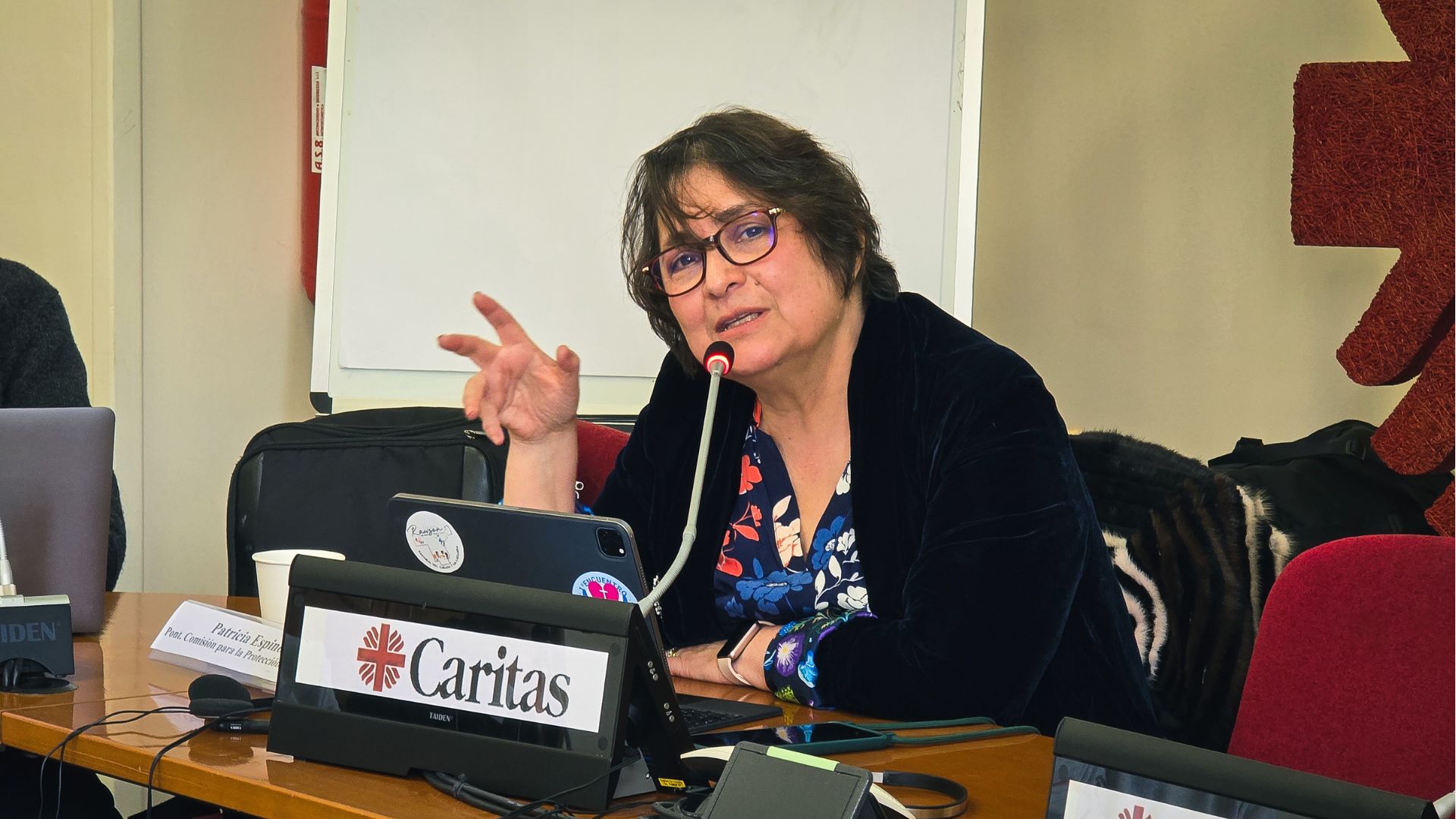
Patricia Espinosa, coordinadora del curso, subraya que a lo largo de la semana ha sido posible abordar los temas básicos de la salvaguarda. “Hemos visto aspectos clínicos, las consecuencias del abuso sexual en las víctimas, hemos considerado cuál es el aspecto también de los perpetradores o acusados de abuso sexual, elementos canónicos que deben de ser considerados en la respuesta adecuada y efectiva y afectiva hacia las víctimas y sus familias, y también hemos visto aspectos de comunicación”.
La Dra. Espinosa, miembro de la Comisión Pontificia considera el encuentro muy fructífero, igual que la primera edición en 2024, y considera “la salvaguarda de los niños, las niñas, los adolescentes y las personas vulnerables es un elemento fundamental que atraviesa toda acción de la iglesia y Cáritas en su marco de pastoral social, es la clave de nuestra iglesia”.
La agenda contó con la contribución de otros ponentes, como el secretario de la Pontificia Comisión para la Protección de Menores, Monseñor Luis Manuel Alí Herrera, que trabajó desde la realidad de América Latina, con el Padre Jordi Pujol, profesor de la Pontificia Universidad Santa Croce, que trabajó temas de comunicación; Monseñor Jordi Bertomeu, oficial del Dicasterio para la Doctrina de la Fe, que compartió el bloque sobre temas vinculados a derecho canónico. De manera remota, compartieron sus conocimientos el Padre Daniel Portillo y Inés Franck, del Centro de Protección de Menores (Ceprome), América Latina.
Crear ambientes seguros
Para el Padre Jose Abrahan Apolinario Abreu, de República Dominicana, que participó del curso, fueron días sumamente intensos, pero al mismo tiempo se instaló un ambiente muy iluminador y de fraternidad. “Queremos sobre todo proteger y cuidar y especialmente crear un ambiente seguro, un ambiente de cuidado. Justamente a nosotros en Cáritas de República Dominicana nos va a ayudar mucho, porque estamos ya dando los toques finales para preparar todo lo que es la documentación de salvaguardia en Cáritas”.
Apolinario enfatiza que en la arquidiócesis de Santo Domingo, donde actúa en República Dominicana, muy pronto será publicado un documento sobre ética y sobre el protocolo del cuidado de los menores y personas vulnerables. Pedimos a Dios que de aquí salgan luces para nosotros saber cómo cuidar a la gente que se nos confía.
Cambiar la actitud
Otra participante del curso y directora de la Pastoral Social Cáritas en Panamá, Maribel Jaen considera este espacio de formación como un esfuerzo para quitar la deuda de América Latina y el Caribe con la niñez, con las personas con las que nosotros atendemos en todas nuestras comunidades.
“La importancia de este taller ha sido que hemos podido conocer los instrumentos que tiene la Iglesia, hemos podido conocer las metodologías necesarias para detectar y también que hacer en los momentos que se requieren cuando conocemos de una situación de vulnerabilidad”, resalta.
Maribel sale del encuentro comprometida en impulsar el tema en su Cáritas Nacional transmitiendo el conocimiento recibido “para que no solamente haya una cultura del cuidado, sino un ambiente del cuidado en cada uno de los espacios en los que nosotros estamos realizando nuestro trabajo de evangelización y de servicio a los más pobres”.
Camino sinodal para la salvaguardia
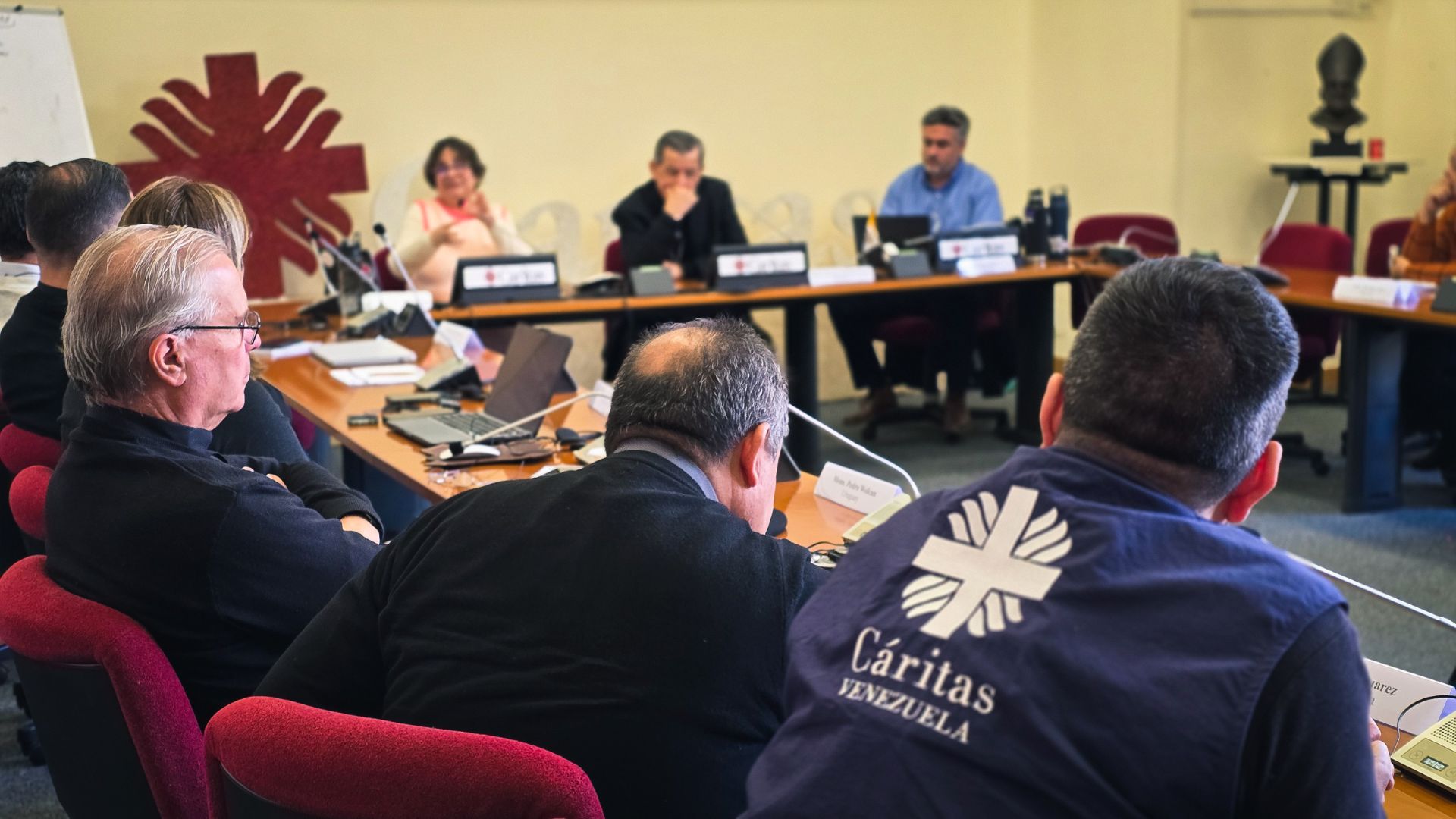
Desde la experiencia de Cáritas de Venezuela, Ricardo Suarez comparte los esfuerzos para cumplir con los estándares de gestión para poder implementar un sistema de salvaguardia y protección y rendición de cuentas dentro de Cáritas nacional.
“Estamos cumpliendo con la elaboración de todas las normas, políticas y procedimientos, la contratación segura del personal, los canales de denuncia para cumplir con la respuesta además de la prevención y la gobernanza y a su vez integramos y formamos parte de la Comisión Nacional de la Conferencia Episcopal Venezolana en este camino sinodal para que nuestra iglesia sea cada vez más segura”, apunta.
Sobre el recorrido del curso, Suarez comenta que esta semana ha sido de suma importancia. “Nos ha hecho compartir otras experiencias con nuestros hermanos de América Latina y el Caribe, nos hicieron ver otras situaciones que debemos tomar en cuenta con respecto a la víctima los estándares de gestión de cumplimiento”.
Acoger y escuchar a las víctimas
El obispo auxiliar de San José de Costa Rica y miembro del equipo regional de Salvaguardia, Monseñor Daniel Blanco celebró el esfuerzo de Cáritas en América Latina y el Caribe para formar a todos en los diferentes países.
Este tema tan necesario que ha causado tanto dolor a la Iglesia y que en medio de quienes servimos en la iglesia, sea como ministros ordenados, sea como voluntarios se hace necesario que tomemos esta conciencia de proteger al menor, a la persona vulnerable y de hacer ambientes seguros en medio de la iglesia y de nuestras Cáritas.
Para Blanco, como fruto de las exposiciones a lo largo de la semana, queda el mensaje principal de lo que tanto insiste el Papa Francisco. “La víctima está en primer lugar, que debemos escucharlas, que debemos creerles, que debemos acogerlas, que debemos protegerlas y a partir de ahí el trabajo que vamos a realizar en la Iglesia creo que será de mucha reparación”, destaca.
Cercanía del Papa Francisco a Cáritas y a salvaguardia
Uno de los momentos más significativos de la semana fue la audiencia privada que el Papa Francisco concedió a los participantes del curso, que se alargó por unos 45 minutos. En este encuentro, el Santo Padre destacó que "la salvaguardia es un nombre divino", subrayando la importancia de proteger a los más vulnerables como un acto central de la misión de la Iglesia. Sus palabras reforzaron el compromiso de Cáritas América Latina y el Caribe con la creación de ambientes eclesiales seguros y con el cuidado integral de las personas.
El Papa escuchó los testimonios de muchos países y animó a los obispos y directores de Cáritas a seguir promoviendo una cultura de cuidado en todas las comunidades, resaltando que escuchar, acoger y proteger a las víctimas no solo es un deber, sino un camino hacia la reparación y la reconciliación. Este mensaje inspira a Cáritas a continuar trabajando con dedicación para construir una Iglesia más segura, compasiva y comprometida con la salvaguardia de todos, especialmente de los más pequeños y vulnerables.
Identity and spirituality