Stories
América Latina y el Caribe
27-08-2024
Conferencia Eclesial de la Amazonía, CEAMA, celebra su segunda asamblea presencial
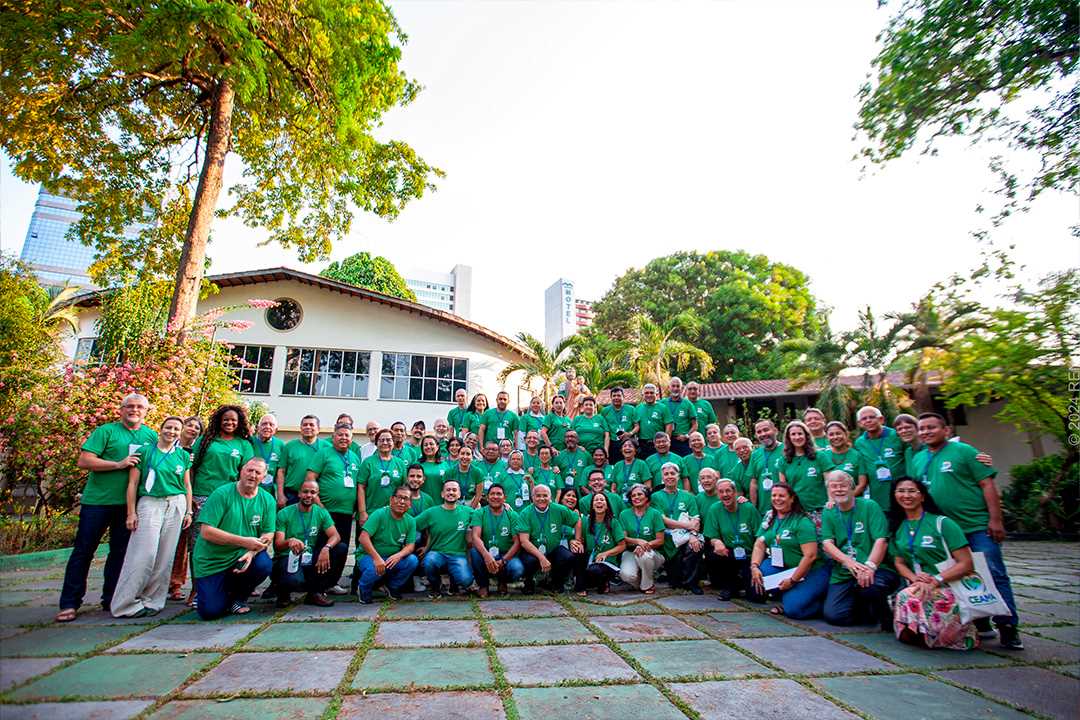
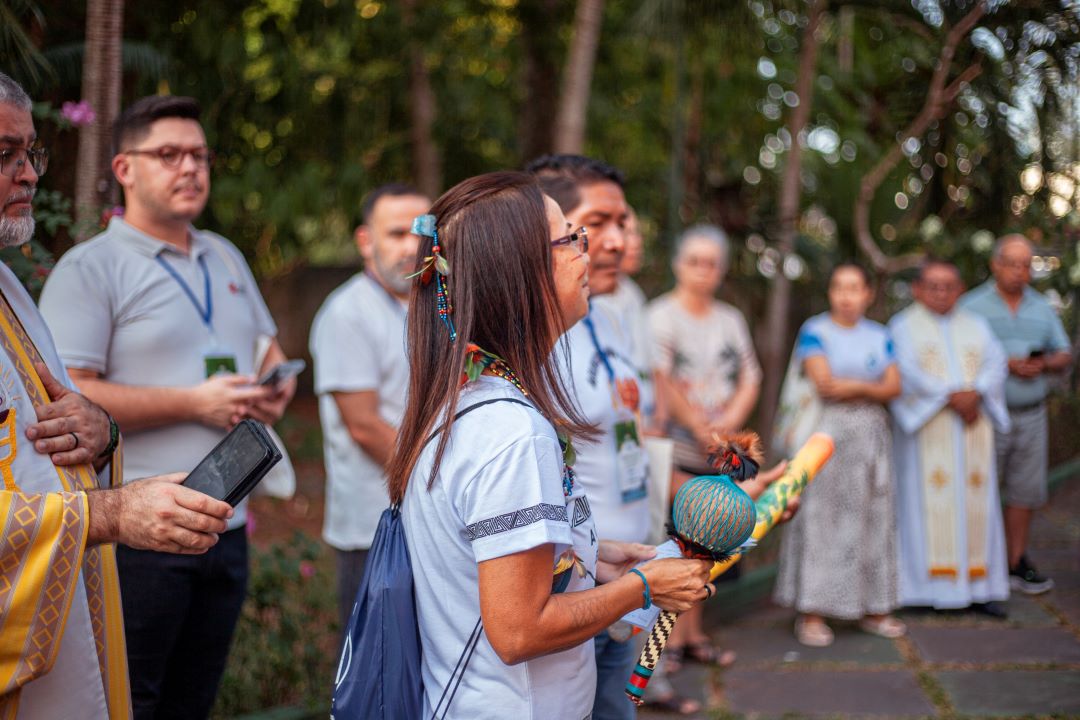
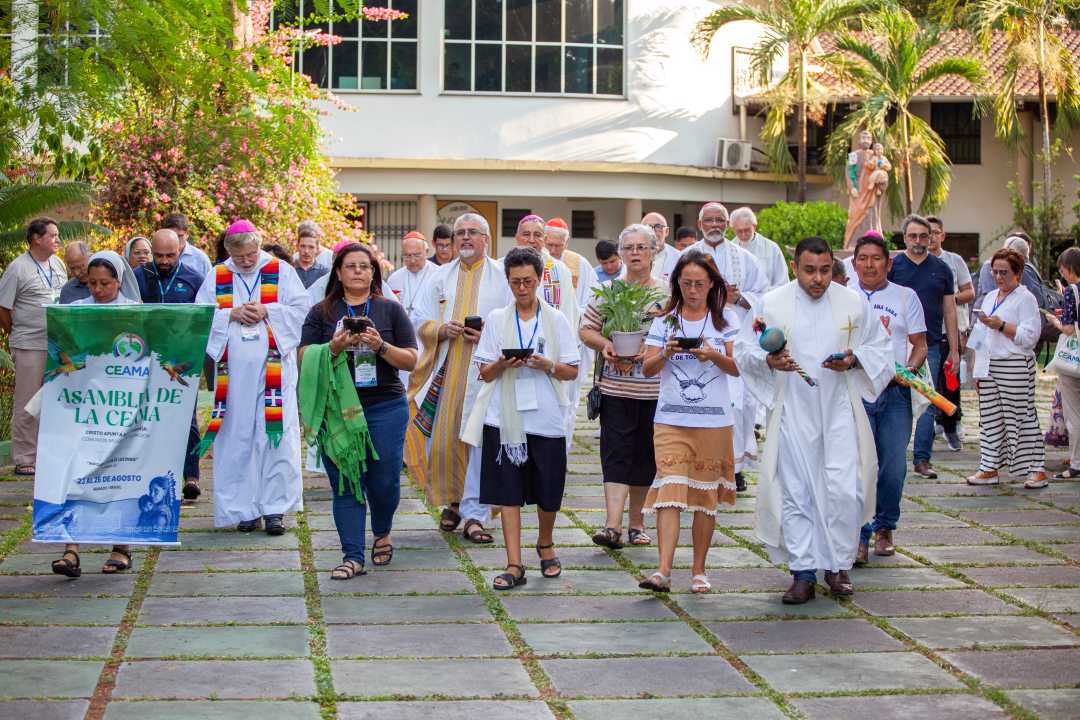
Del 23 al 26 de agosto, la Conferencia Eclesial de la Amazonía (CEAMA) celebró su segunda asamblea presencial en Manaos, Brasil, una oportunidad para reforzar el compromiso de la Iglesia con la defensa de la Amazonía, su biodiversidad y sus comunidades, en línea con la visión integral promovida por el Papa Francisco en la encíclica Laudato Si’.
Estuvieron reunidos aproximadamente 70 agentes de pastoral y referentes eclesiales, venidos de las Iglesias locales de la Amazonía: Brasil, Bolivia, Colombia, Ecuador, Guyana, Perú, Surinam, Venezuela y Guyana Francesa. Cáritas América Latina y el Caribe, una de las cuatro instituciones fundadoras, junto con el Consejo Episcopal Latinoamericano y del Caribe (CELAM), la Confederación Latinoamericana de Religiosos (CLAR) y la Red Eclesial Panamazónica (REPAM), participó de toda la Asamblea por su comunicador Marcus Neto, en representación de la coordinación regional.
Con el tema "Cristo apunta a la Amazonia: comunión, misión y participación" y el lema "Hagan lo que Él les diga" (Jn 2,5), el encuentro pretendió consolidar la misión sinodal y apostólica del CEAMA en el territorio amazónico, a partir de los compromisos asumidos en la primera asamblea presencial, además de ser una oportunidad para reflexionar sobre las realidades locales, identificar prioridades y abordar los desafíos de la región.
La jornada comenzó con una eucaristía, presidida por el cardenal Leonardo Steiner, arzobispo de Manaos, concelebrada por los cardenales Michael Czerny, prefecto del Dicasterio para el desarrollo humano integral, y Pedro Barreto, presidente de la CEAMA.
Durante la asamblea, los participantes tuvieron la oportunidad de profundizar en cuestiones relacionadas con la Amazonía. Estos momentos de reflexión colectiva fueron complementados por discusiones en pequeños grupos, donde, siguiendo la metodología de la conversación espiritual, los participantes pudieron compartir sus experiencias, escuchar diferentes perspectivas y buscar juntos nuevos caminos pastorales para la realidad amazónica.
Esta dinámica de trabajo permitió una integración entre el diálogo abierto y la construcción conjunta de propuestas, fortaleciendo el sentido de comunión y corresponsabilidad en la misión eclesial.
Rito Amazónico: un camino de inculturación y renovación litúrgica
La presentación del marco general de Rito Amazónico fue uno de los puntos claves de la Asamblea, como fruto de un camino iniciado en 2020. El rito emerge como una propuesta clave dentro de la renovación pastoral y litúrgica en la región amazónica, respondiendo a la necesidad de una inculturación profunda en la vida de la Iglesia desde el Sínodo de la Amazonía.
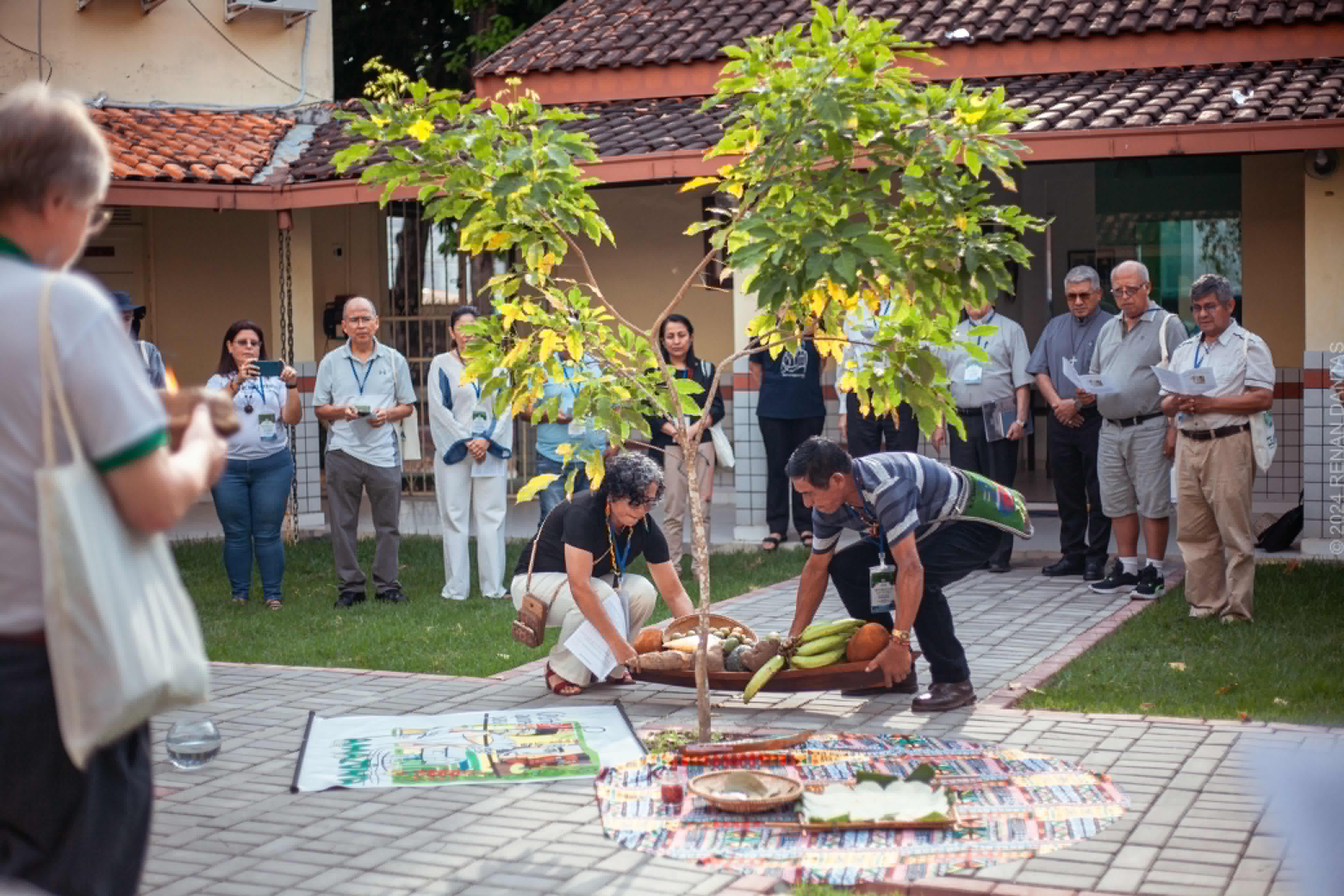
Esta iniciativa busca integrar elementos culturales, símbolos y expresiones espirituales propias de los pueblos amazónicos en la liturgia, reconociendo y valorando su rica herencia espiritual. El teólogo brasileño Agenor Brighenti, que coordina el grupo de trabajo del Rito Amazónico, afirmó en su ponencia que el Rito Amazónico no es simplemente una adaptación de las formas litúrgicas existentes, sino una expresión auténtica de la fe vivida en la Amazonía, que refleja las particularidades de su contexto ecológico y cultural.
Al incorporar ritos y símbolos tradicionales, el Rito Amazónico se convierte en un puente entre la fe cristiana y las culturas indígenas, fortaleciendo la identidad de las comunidades y promoviendo una evangelización que respeta y enriquece las tradiciones locales. Este proceso de inculturación litúrgica no sólo revitaliza la vida eclesial en la Amazonía, sino que también ofrece un modelo para otras regiones del mundo donde la Iglesia busca hacer presente el Evangelio de manera más cercana y relevante.
Aportes de la Iglesia Amazónica al Sínodo
En el contexto de la XVI Asamblea General del Sínodo de los Obispos, que será celebrado en el próximo octubre, la Iglesia en la Amazonía ha realizado contribuciones significativas que reflejan su experiencia única de sinodalidad.
Estas aportaciones destacan la necesidad de una Iglesia que escuche y valore las voces de las comunidades locales, que son las que viven directamente los desafíos y esperanzas de la región. La Iglesia amazónica ha insistido en la importancia de adoptar un enfoque sinodal que permita una participación real y efectiva de los pueblos indígenas y de todos aquellos que habitan en las periferias geográficas y existenciales.
Estos aportes son un recordatorio de que la sinodalidad no es un concepto abstracto, sino una práctica concreta que se manifiesta en la capacidad de la Iglesia para caminar junto a los más vulnerables y marginados.
La ministerialidad amazónica y su impacto en la iglesia universal
Otro tema clave trabajado en la asamblea fue la ministerialidad amazónica, a partir de lo que se ha trabajado en el núcleo de reflexión. La ministerialidad que se ha desarrollado en la Amazonía ofrece una riqueza de experiencias y prácticas que están comenzando a ser reconocidas en toda la Iglesia.
En la Amazonía, la falta de sacerdotes ha llevado a la creación de nuevos ministerios y formas de liderazgo laical que responden de manera efectiva a las necesidades pastorales de las comunidades. Estos ministerios, que incluyen a mujeres y hombres comprometidos con la misión evangelizadora, representan una nueva manera de ser Iglesia, donde la corresponsabilidad y la participación son esenciales.
Se hace un llamado a la CEAMA y a las conferencias episcopales para que reconozcan y valoren los ministerios desempeñados por las mujeres en la Amazonía. Además, se propone que la CEAMA solicite formalmente a Roma la institución del diaconado femenino, así como el inicio de escuelas de formación diaconal para mujeres en la región amazónica.
Czerny: matemática y gramática del Evangelio para cumplir la misión
Al fin del encuentro, el cardenal Michael Czerny, que acompañó atentamente y en espíritu de escucha a la asamblea, desafió a la CEAMA a adoptar una nueva perspectiva tanto desde las matemáticas como desde la gramática, en el contexto de su misión eclesial.
El prefecto del Dicasterio para el Desarrollo Humano Integral subrayó la importancia de abandonar la matemática humana, que tiende a dividir, para abrazar la matemática evangélica, que se basa en la multiplicación y la inclusión. Según Czerny, la matemática humana no es adecuada para un organismo eclesial, ya que genera divisiones, mientras que la matemática evangélica reconoce que “si el otro crece, yo también crezco; no es necesario perder para que el otro gane”, invitando a superar el temor de perder en favor del bien común.
Al reflexionar sobre la lógica del camino sinodal, Czerny insistió en que cada vocación dentro de la Iglesia es interdependiente y necesaria para la realización de las demás vocaciones. Advirtió sobre el peligro de caer en la lógica de la matemática humana y subrayó la importancia de cultivar un espíritu de generosidad para poder practicar la matemática evangélica, que enriquece a todos los miembros de la comunidad eclesial.
Desde la perspectiva de la gramática, el cardenal hizo un llamado a no centrarse únicamente en los verbos, sino a prestar mayor atención a los sujetos de las oraciones. Indicó que poner a la CEAMA como sujeto principal no es coherente con una buena eclesiología, y que su lugar debe ser el de facilitadora, no el de protagonista. Los verdaderos sujetos deben ser las personas, las instituciones, las realidades vivas y los procesos que se desarrollan. Comunicativamente, Czerny también propuso un cambio en el lenguaje, sugiriendo que el "nosotros" sea reemplazado por "vosotros", de manera que los pueblos de la Amazonía se sientan protagonistas de su propia historia. Esto, en su opinión, es fundamental para que la CEAMA cumpla su propósito de impulsar una Iglesia que verdaderamente protagonice la vida en la Amazonía. Como método para evaluar este enfoque, sugirió realizar una relectura de los discursos y mensajes emitidos, asegurando que reflejan este cambio de enfoque.
Compromisos
Las reflexiones y decisiones que surjan de este encuentro serán fundamentales para definir el camino futuro de la Iglesia en la Amazonía, una Iglesia que busca ser verdaderamente sinodal, inclusiva y comprometida con la justicia social y ambiental. Esta asamblea es un llamado a toda la Iglesia a mirar hacia la Amazonía no solo como una región a proteger, sino como una fuente de renovación espiritual y pastoral.
A partir de la escucha atenta a lo que el Espíritu inspiró durante la asamblea, especialmente en los trabajos realizados en pequeños grupos, se presentaron algunos compromisos para ser asumidos de manera conjunta por la conferencia. Ahora, corresponde a la presidencia revisar estos compromisos y presentarlos formalmente a los delegados en un momento próximo, para que sean evaluados y asumidos en unidad por todos los miembros de la asamblea.
Care of the common home and Holistic Human Development