Stories
América Latina y el Caribe
03-06-2024
Cáritas LAC y Cáritas Europa trabajan juntas por la justicia climática y económica
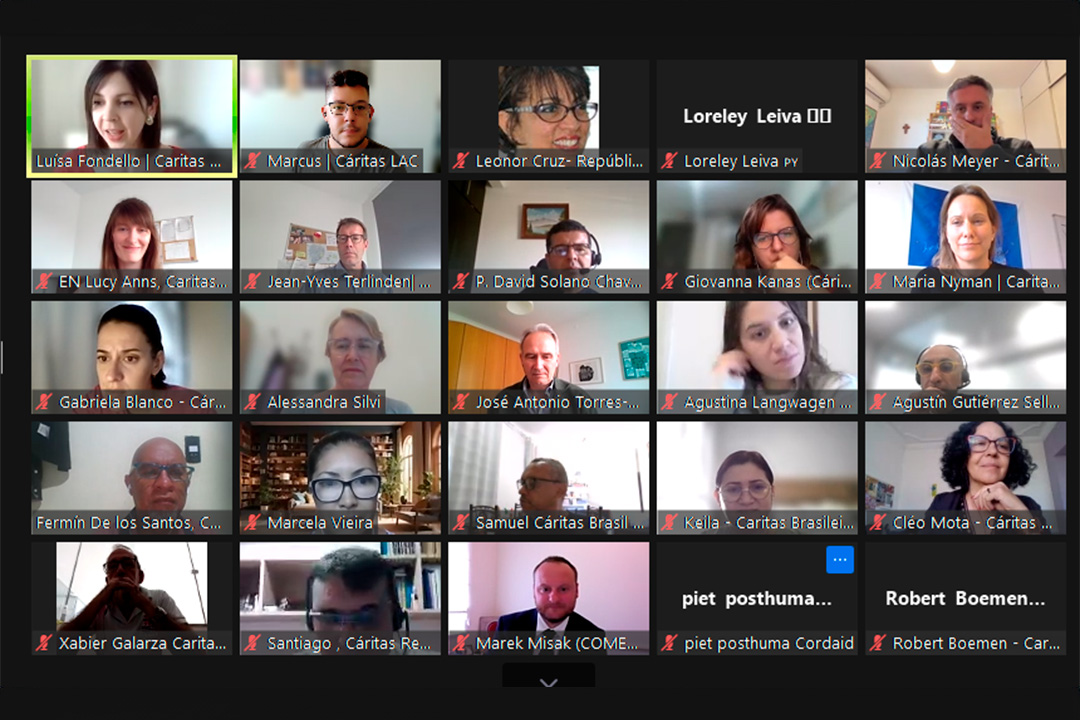
En un esfuerzo por promover una economía más justa y solidaria, Cáritas Europa ha organizado una serie de workshops, siendo el último celebrado con la participación activa de representantes de América Latina y el Caribe (LAC), en el último 23 de mayo.
Caritas Europa para escuchar y aprender de Caritas LAC sobre:
- Su visión sobre áreas políticas clave relacionadas con una economía justa: justicia climática y económica;
- Su perspectiva y expectativas sobre el papel de la Unión Europea en la construcción de una economía justa, que tenga un impacto positivo en LAC;
- Su perspectiva y expectativas sobre el papel de Cáritas Europa en la incidencia para que la UE promueva una economía justa.
La coordinadora de Cáritas Europa, Maria Nyman, enfatizó la importancia de este encuentro para considerar modelos económicos alternativos que reflejen también las preocupaciones de la región, una prioridad para la cooperación de la Unión Europea.
Nicolas Meyer, coordinador regional de Cáritas América Latina y el Caribe, expresó su satisfacción al ver el compromiso de los participantes con los temas abordados, resaltando la importancia de la sinodalidad en la iglesia y la necesidad de llevar la voz de los territorios a las instancias de decisión.
Agradezco especialmente a Cáritas Europa. La iglesia nos propone ser sinodal. Este gesto que está teniendo Cáritas Europa es un gesto de sinodalidad, que podería hablar en directo con la Unión Europea, pero se tomaron el esfuerzo y el tiempo de escuchar el territorio. Si no escuchan el territorio no hay como hacer incidencia.
Luis Fondello, responsable por Cooperación Internacional en Cáritas Europa, destacó el papel crucial de la UE en las instancias de decisión y señaló la tendencia preocupante de que la UE se enfoque únicamente en sus problemas domésticos, ignorando las realidades de otras regiones. “Esta reflexión nos impulsa a abogar por una narrativa que incluya justicia económica y crecimiento verde inclusivo”, subrayó.
Escuchar las experiencias latinoamericanas
El taller contó con la ponencia de dos latinoamericanos, el Pbro. David Solano, referente del equipo de Ecología Integral, y Giovanna Kanas, de Cárias Brasileira.
Ellos, cada uno en sus ponencias, resaltaron la importancia de abordar la justicia climática desde una perspectiva centrada en la persona y vinculada a los Derechos Humanos. Se enfoca en proteger a los más vulnerables y en enfrentar problemas complejos, reconociendo las desigualdades existentes y trabajando para reducir las brechas, incluyendo la dimensión intergeneracional. La justicia climática es vista no solo como un tema ecológico, sino también social, integrando la justicia en las discusiones sobre el medio ambiente y promoviendo la ecología integral y el bien común.
Entre las prioridades identificadas se encuentran los derechos de la infancia, las comunidades locales, los pueblos indígenas, los migrantes y refugiados, así como la igualdad de género y la participación ciudadana. Además, se destaca la necesidad de una transición justa hacia un modelo energético descarbonizado, la protección de los ecosistemas y la reducción de desigualdades. Desde una perspectiva latinoamericana y caribeña, se enfatiza la reducción de desigualdades de ingresos, educativas, de género y territoriales, y se promueve la cooperación y participación activa en el cuidado de la Casa Común.
Aportes y compromisos
Los participantes aportaron a Cáritas Europa desde sus experiencias y a partir de dos preguntas claves: ¿Qué cree que está haciendo la Unión Europea que debe dejar de hacer, y cuáles son las iniciativas políticas importantes en las que la UE no está trabajando pero en las que debería centrarse? y ¿Cuáles deberían ser las principales prioridades de incidencia política de Cáritas Europa ante la Unión Europea?
Los aportes convergieron en los cuatro puntos principales que hemos destacado:
- Cáritas Europa debe enfocarse en fortalecer la colaboración con socios fuera de la UE y responsabilizar a las empresas europeas en LAC.
- La justicia climática y la reducción de desigualdades deben ser prioridades fundamentales.
- Se debe promover una transición justa, respetando las comunidades locales y sus modos de vida.
- La participación de la sociedad civil es crucial para un proceso de incidencia efectivo.
En resumen, los participantes enfatizaron la importancia de una economía centrada en las personas, respetando la autonomía local y promoviendo estilos de vida responsables y sostenibles. Cáritas Europa debe ser una voz fuerte en la justicia climática y en la lucha contra las desigualdades, asegurando que las políticas y acciones de la UE sean verdaderamente equitativas y beneficien a los más desfavorecidos.
.jpg)
.jpg)
.jpg)
.jpg)
.jpg)
Care of the common home and Holistic Human Development