Stories
América Latina y el Caribe
10-03-2026
Cáritas América Latina y el Caribe lanza metodología regional para el mapeo de Unidades Productivas Agropecuarias
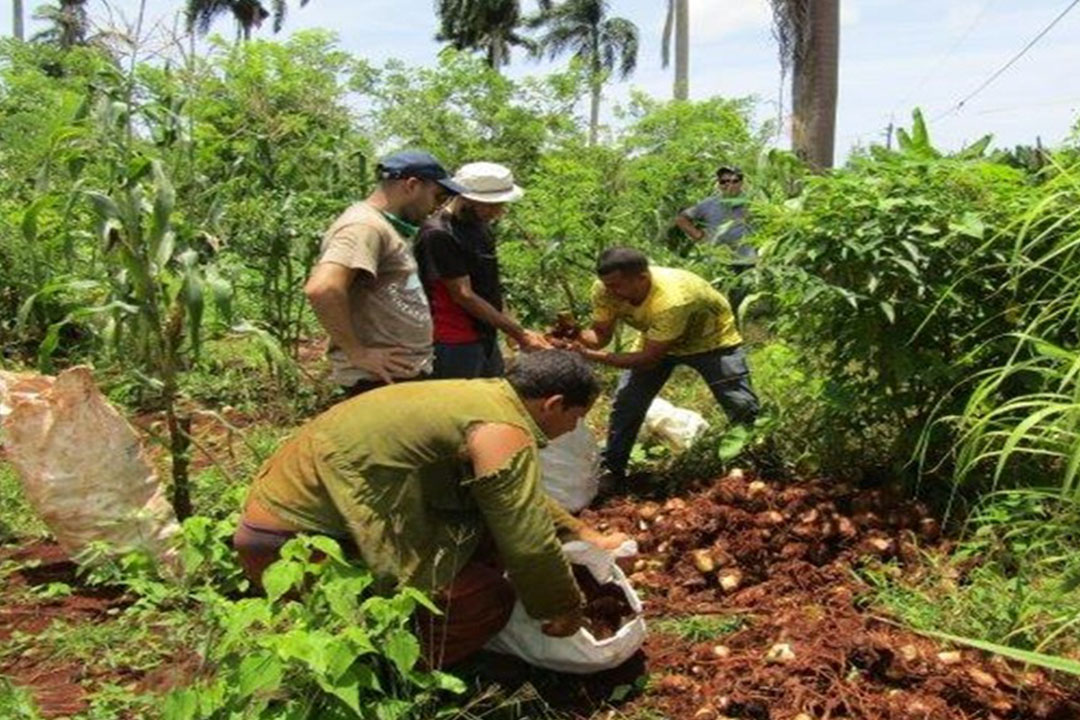
Con el objetivo de profundizar el compromiso con las comunidades que custodian la tierra, el equipo de Medios de Vida y Seguridad Alimentaria (MVSA), de Cáritas América Latina y el Caribe, lanza una propuesta metodológica para el mapeo y análisis de sostenibilidad de las Unidades Productivas Agropecuarias (UPA). Esta herramienta, que ya está siendo aplicada por las Cáritas Nacionales y Diocesanas, busca transformar la manera en que se comprende y acompaña la vida rural en la región.
Un proceso de aprendizaje compartido
La iniciativa nace de la necesidad de ir más allá de los números y entender las historias de resistencia y esperanza en el campo. Bibiana Rodríguez, de Cáritas Colombiana, explica que este análisis es, ante todo, una herramienta de escucha:
Pensamos este análisis como una herramienta para comprender mejor los procesos que las familias y comunidades rurales vienen construyendo en sus territorios. Miramos junto a ellas cómo están caminando, cuáles son sus fortalezas, qué desafíos enfrentan y hacia dónde quieren proyectarse.
Para Rodríguez, el lanzamiento de esta guía no es un fin en sí mismo, sino un medio para que las familias reconozcan sus capacidades y para que Cáritas revise su propio rol. "La metodología busca generar un espacio de reflexión tanto para las propias unidades productivas como para Cáritas. Por un lado, permite que las familias puedan reconocer sus avances, sus capacidades y su visión de futuro. Y por otro, ayuda a Cáritas a revisar y mejorar los procesos de acompañamiento que realiza en los territorios”, añade.
¿Qué es una Unidad Productiva para Cáritas?
La metodología define a la UPA no solo como un espacio técnico, sino como un espacio donde una persona, una familia o un grupo organiza su trabajo para producir alimentos. Es señala Laura Rodríguez, de Cáritas República Dominicana, destacando que una unidad productiva es "un proceso de vida".
"Puede ser una finca familiar, una pequeña granja o una experiencia colectiva. Pero para nosotros no es solo un lugar donde se produce. Allí las personas toman decisiones sobre su producción, su economía y su relación con la tierra y con su comunidad", afirma Rodríguez.
Sobre la decisión de crear esta guía y realizar el mapeo, Laura detalla que en términos generales, el objetivo final es tener una base clara y estratégica para fortalecer la seguridad alimentaria, los ingresos y la resiliencia de las comunidades rurales.
Con la implementación de este mapeo, el equipo de MVSA proyecta alcanzar resultados estratégicos que transformarán el impacto de Cáritas en el campo. Según la metodología, este ejercicio permitirá comprender con mayor profundidad la vida de las familias rurales para identificar sus vulnerabilidades y oportunidades, facilitando así el diseño de programas más efectivos que fortalezcan la resiliencia frente a las crisis.
Asimismo, Laura Rodríguez destacó que la herramienta será clave para mejorar la coordinación entre las diócesis y aliados externos como ONGs, Estados y organismos internacionales, funcionando como un motor para generar evidencia sólida que permita incidir directamente en la creación de políticas públicas rurales y agrícolas más justas.
Transformación en el territorio
Para los equipos que caminan diariamente junto a las comunidades, esta metodología promete un cambio cualitativo en su labor. Gerardo Torres, de Cáritas Honduras, enfatiza que el mapeo sistemático permite reconocer saberes y potencialidades que a veces pasan desapercibidos.
Cuando se implementa de forma participativa, el mapeo se convierte en un espacio de escucha, diálogo y construcción conjunta. Las comunidades no son únicamente receptoras de apoyo, sino protagonistas de su propio desarrollo.
Además, destaca que esta herramienta "enriquece el acompañamiento pastoral y territorial, reafirmando el compromiso de Cáritas con la dignidad, el desarrollo humano integral y el cuidado de la casa común".
Las cuatro dimensiones de la sostenibilidad
El análisis propuesto se divide en tres áreas fundamentales y una transversal, buscando una visión holística de la producción. Juan Ferro, de Cáritas del Perú, detalla que el objetivo no es solo de ver cuánto produce, sino de entender si ese proceso realmente ayuda a sostener la vida de las personas y del territorio:
- Ecológica: El cuidado del suelo, agua y biodiversidad.
- Económica: La capacidad de generar ingresos y sostener la actividad en el tiempo.
- Social: La organización comunitaria, los vínculos y la solidaridad.
- Transversal: La visión de futuro de las familias y su percepción del acompañamiento de Cáritas.
Un ejemplo concreto es SOLYDAR, empresa social vinculada a Cáritas del Perú. Ferro detalla cómo se da ese análisis. “La dimensión ecológica para evidenciar el compromiso con el cuidado del medio ambiente en las actividades productivas. La dimensión económica permite observar cómo estos procesos contribuyen al incremento de ingresos mediante la articulación de los productos al mercado. Por su parte, la dimensión social busca identificar el crecimiento de las personas, tanto a nivel individual como colectivo, promoviendo valores como la solidaridad. Todo este proceso cuenta además con un componente transversal de acompañamiento integral, que permite conocer el impacto del trabajo que se realiza junto a las unidades productivas.”
Hacia un futuro de resiliencia
Al concluir la aplicación de esta metodología en toda la región, Cáritas espera haber consolidado un mapa claro de los sueños y desafíos de quienes viven de la tierra, con una mirada más profunda. Como concluye Bibiana Rodríguez, el horizonte final es la autonomía de los pueblos:
El mapeo permitirá identificar procesos que ya están avanzando hacia formas de producción más sostenibles... busca aportar a que las propias unidades productivas puedan seguir consolidándose como protagonistas de su desarrollo, con una visión clara de hacia dónde quieren caminar.
Para conocer la propuesta metodológica desarrollada por el equipo y está en implementación en las Cáritas Nacionales, haz click en Descargar archivo (botón abajo).
Care of the common home and Holistic Human Development