Visita del Director Humanitario de Caritas Internationalis a Caritas Haití refuerza el compromiso a la región
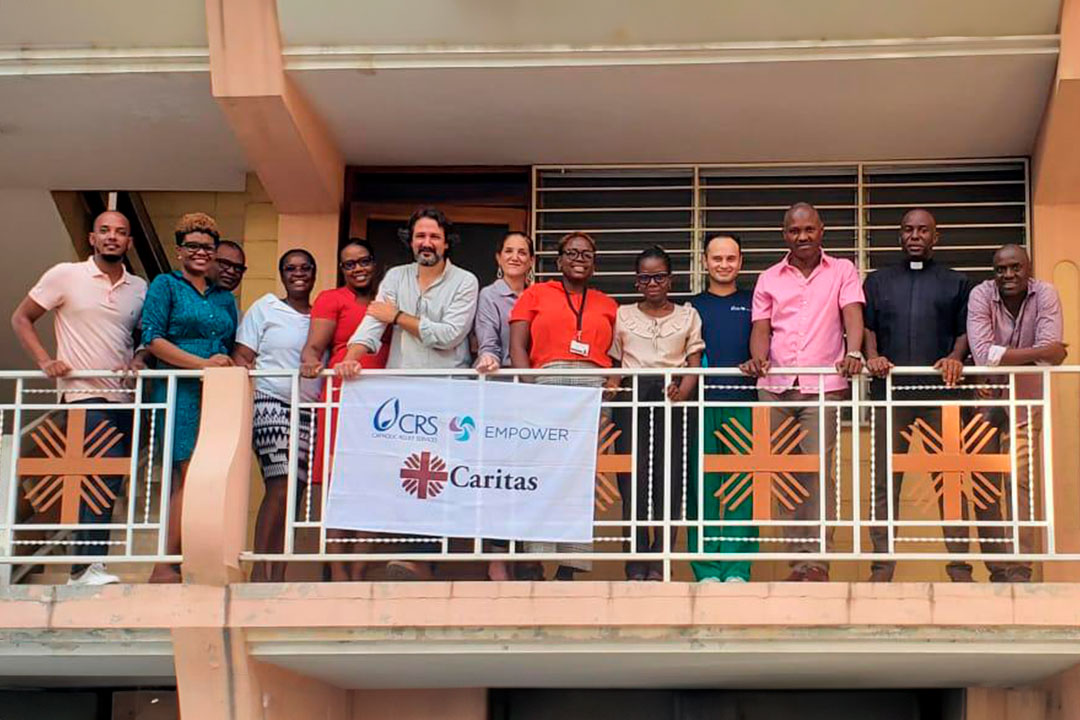
Del 20 al 26 de octubre de 2024, Christian Modino Hok, Director Humanitario de Caritas Internationalis, realizó una visita de trabajo a Cáritas Haití. El objetivo fue conocer de cerca la situación de inseguridad alimentaria que se vive en el país, y de las personas internamente desplazadas, y fortalecer la coordinación entre las organizaciones que trabajan en la respuesta humanitaria, a partir de EA lanzada y aprobada en 2024.
Cada jornada estuvo acompañada por P. Yvel Germain, Director nacional de Cáritas Haití, por Damiana Lanusse, coordinadora de Incidencia de Cáritas América Latina y el Caribe, y por Cristopher Lopez, miembro del equipo CRS Enpower.
Damiana destaca que las jornadas de trabajo fueron importantes para consolidar objetivos y aprender unos de otros.
Durante su estancia, Christian Modino mantuvo reuniones con los equipos de Cáritas Haití y algunas Cáritas a nivel diocesano, así como con CRS Haïti y la Conferencia Episcopal haitiana.
Algunas de las principales actividades y conclusiones de la visita fueron:
- Presentación de la estructura organizativa y áreas de trabajo de Cáritas Haití, haciendo énfasis en la gestión de la respuesta a personas desplazadas.
- Intercambio sobre los principales retos que enfrentan los desplazados internos en términos de integración social, acceso a recursos básicos, salud mental y seguridad.
- Encuentro con el Cardenal Chibly Langlois, quien expresó su apoyo a la labor de Caritas Internationalis y pidió mayor solidaridad internacional.
- Visita a una comunidad donde Cáritas ha apoyado la construcción de viviendas para familias afectadas por el terremoto del 14 de agosto de 2021, quienes ahora también acogen a personas desplazadas.
- Recorrido por las obras de saneamiento y un centro de salud financiados por Cáritas en la diócesis de Les Cayes.
Como resultado de la visita, Cáritas Internationalis junto con CRS y el SELACC reafirmaron su compromiso de continuar acompañando y fortaleciendo la respuesta humanitaria de Caritas Haití, particularmente en lo referido a la inseguridad alimentaria y la atención de la migración. Asimismo, se destacó la importancia de la coordinación con las organizaciones y clusters presentes en el país para optimizar el impacto de las acciones.
.jpg)
.jpg)
.jpg)
.jpg)
.jpg)
.jpg)
.jpg)
.jpg)