Stories
América Latina y el Caribe
30-08-2024
Pasantía territorial para el Fortalecimiento del Equipo de Medios de Vida y Seguridad Alimentaria de Cáritas América Latina y el Caribe

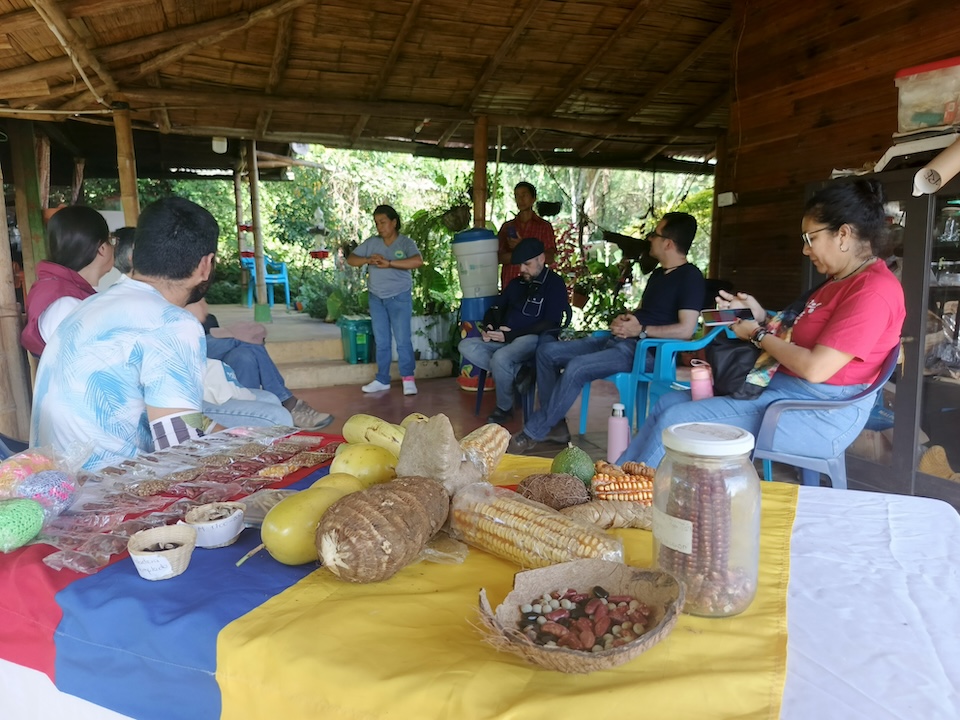
El Grupo Motor de Medios de Vida y Seguridad Alimentaria de Cáritas América Latina y el Caribe inició una pasantía en la región del Valle del Cauca, Colombia, como parte del proyecto desarrollado en colaboración con la Red Comparte. El objetivo de esta pasantía es parte de un esfuerzo y proceso continuo de fortalecer las intervenciones territoriales de Cáritas mediante una reflexión crítica y el análisis de prácticas sostenibles e innovadoras observadas en experiencias económico-productivas de organizaciones con objetivos afines, contribuyendo así al desarrollo integral y sostenible de las comunidades.
Durante la primera jornada, el equipo participó en un conversatorio con el Instituto Mayor Campesino (IMCA), donde se compartieron la historia, los hitos y los aprendizajes acumulados en más de sesenta años de labor en la región. Su larga historia y trabajo continuo con diferentes grupos y organizaciones, permite observar la evolución de modelos de comunidades de aprendizaje y alianzas en constante progreso, tanto por la experiencia que se va adquiriendo, como por las condiciones cambiantes de la propia institución y del entorno. Este intercambio de perspectivas también permitió identificar similitudes y diferencias en las realidades de los distintos países de América Latina, enriqueciendo la comprensión colectiva sobre los desafíos y oportunidades en el campo de la seguridad alimentaria y los medios de vida.
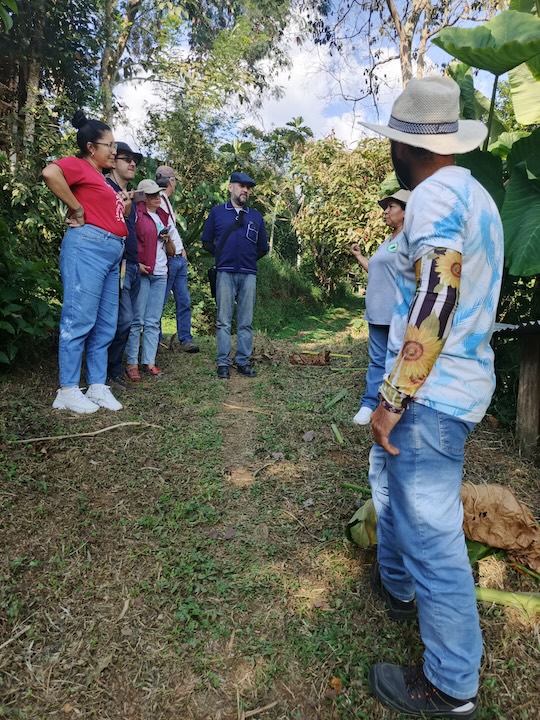
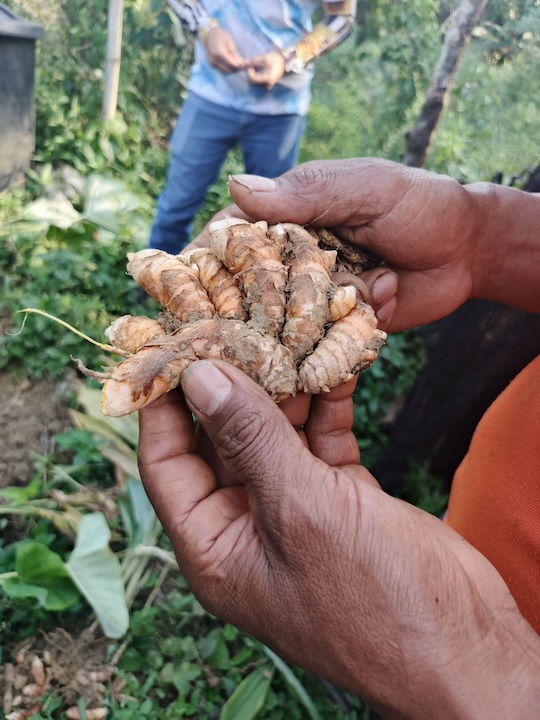
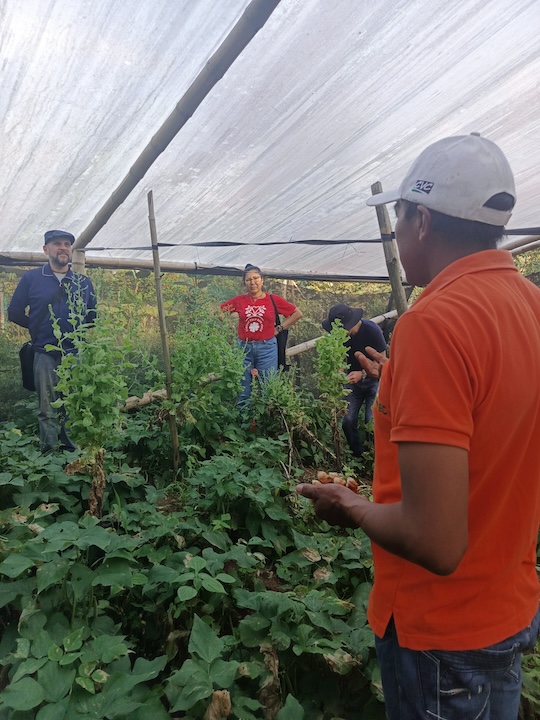
Entre las actividades destacadas, el equipo visitó la finca agroecológica Campo Alegre, donde Doña Marlén y Don Marino relataron la evolución de su finca familiar, subrayando la importancia de trabajar en comunidad y conformar redes de apoyo. Para ellos, la agroecología no es solo un medio de producción, sino un estilo de vida, un mensaje que resuena profundamente en el trabajo de Cáritas, cuya misión es promover modelos de desarrollo que sean sostenibles y centrados en las personas.
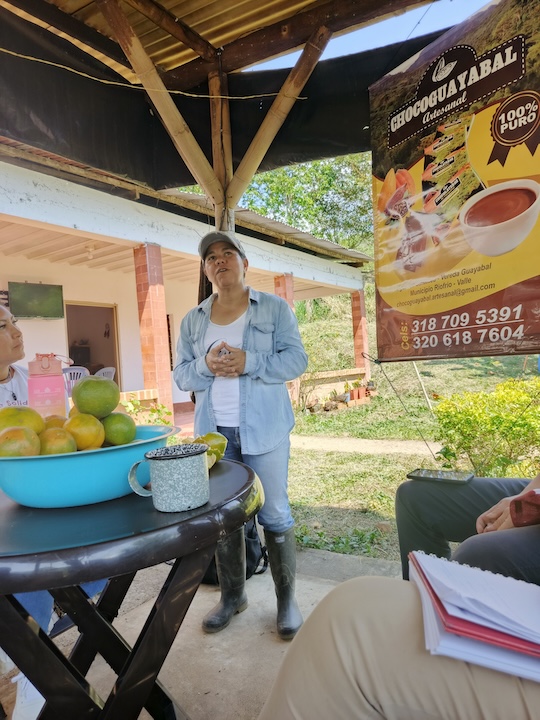
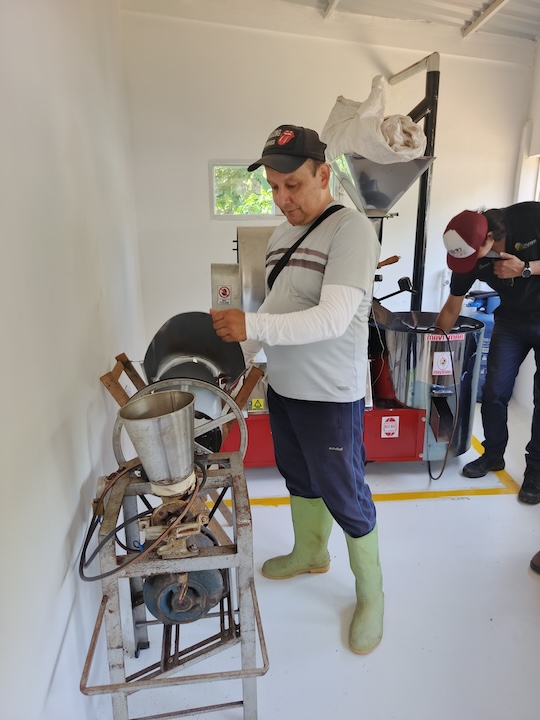
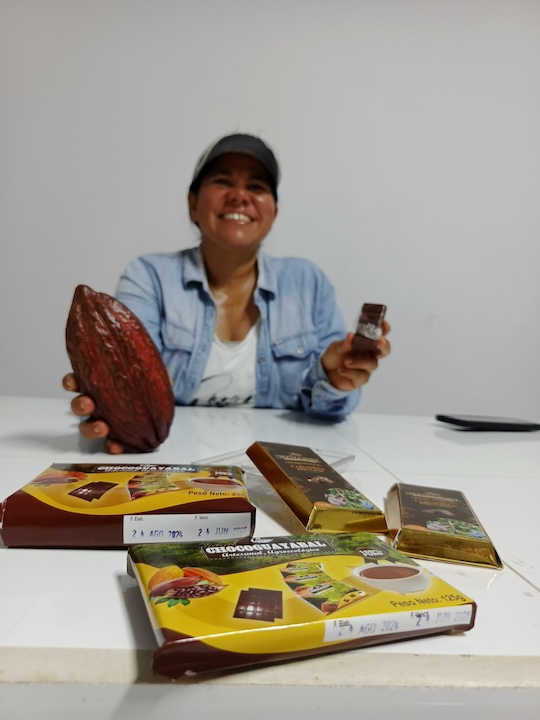
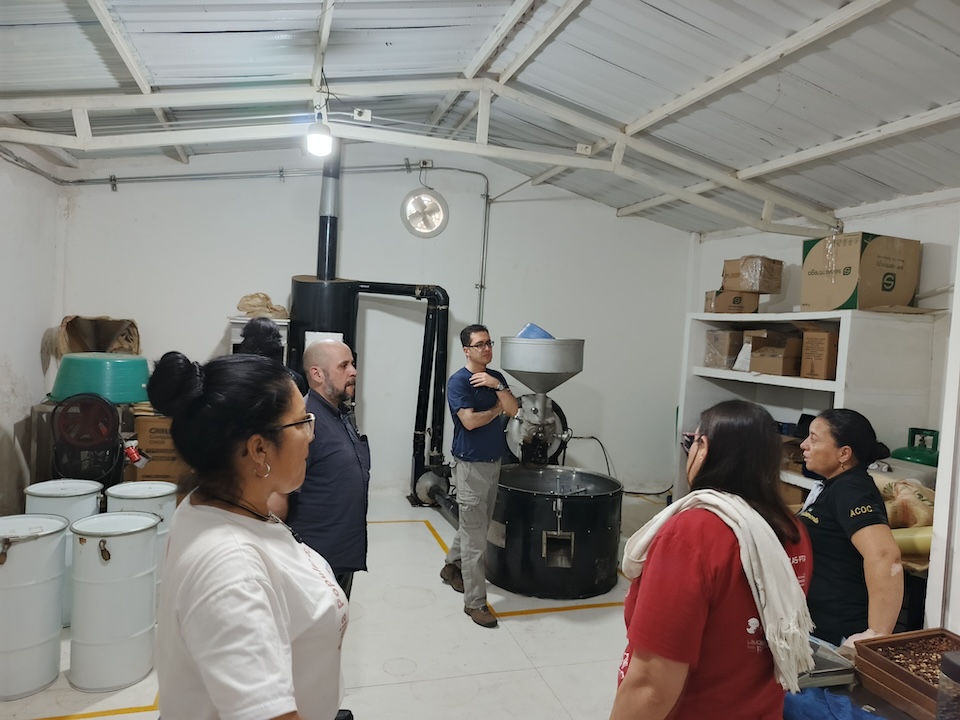
El grupo también tuvo la oportunidad de conocer la finca y planta de producción de chocolate Chocoguayabal, un ejemplo de emprendimiento social bien planificado, con una visión de futuro y un crecimiento gradual y consciente de las realidades locales. Este caso es especialmente relevante para Cáritas, ya que ofrece lecciones valiosas en la planificación y transición de modelos productivos, esenciales para el desarrollo económico y social de las comunidades en la región.
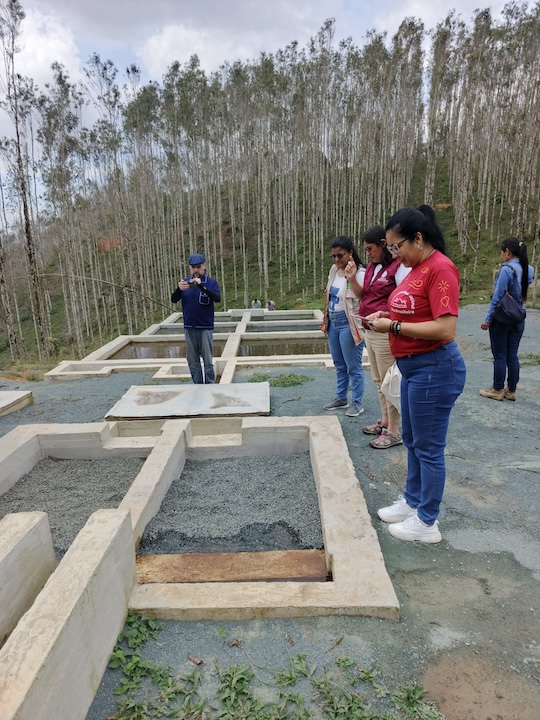
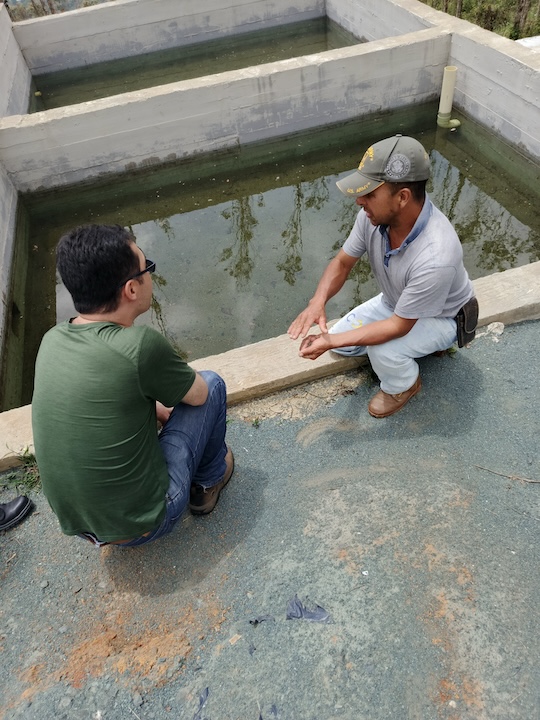
Como parte final de la pasantía, se visitó el acueducto comunitario y la planta de tratamiento de agua ubicada en la alcaldía de Restrepo. Los miembros de la junta comunitaria compartieron su experiencia en la convivencia y negociación efectiva entre los habitantes, las autoridades y las empresas multinacionales de la zona. Este ejemplo demuestra la importancia de la preparación, la colaboración multigeneracional y la capacidad de establecer alianzas estratégicas, principios que Cáritas América Latina y el Caribe considera fundamentales para el éxito de sus intervenciones en seguridad alimentaria y medios de vida.
Mariano Yarza, Secretario de Pastoral del Trabajo de Cáritas Mexicana, expresó su satisfacción por los aprendizajes adquiridos: "Estamos muy contentos de haber participado en esta pasantía. Aprendimos mucho sobre realidades regionales que nos permiten mejorar o desarrollar nuestro trabajo de manera más profesional. Reflexionar sobre realidades complejas en contextos complicados, como el de Colombia, nos ha permitido ver que la realidad colombiana es similar a la mexicana en muchos aspectos, y sus metodologías de trabajo nos pueden ayudar a generar dinámicas de interacción y reflexión en nuestras propias comunidades".
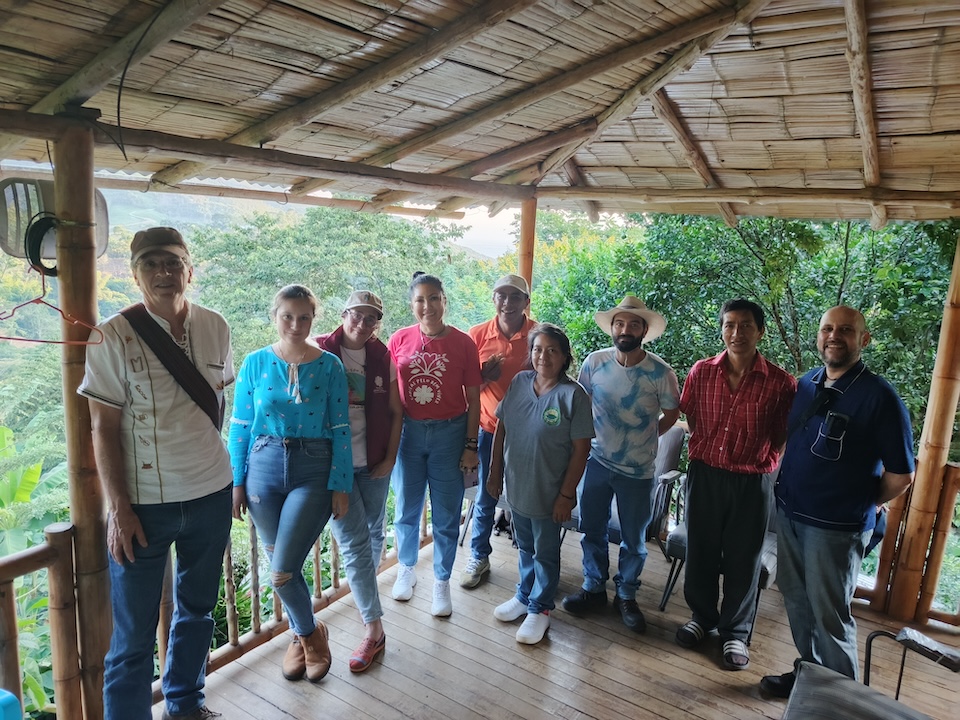
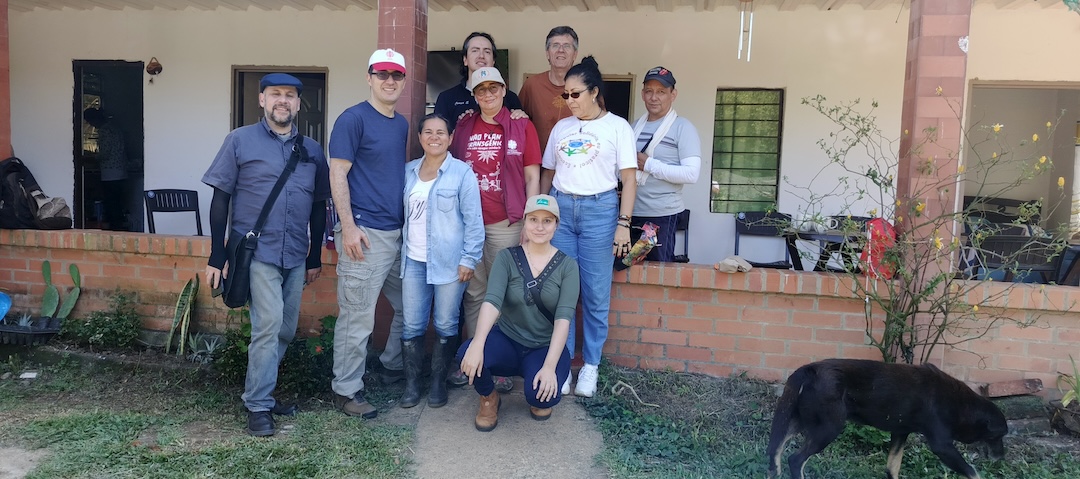
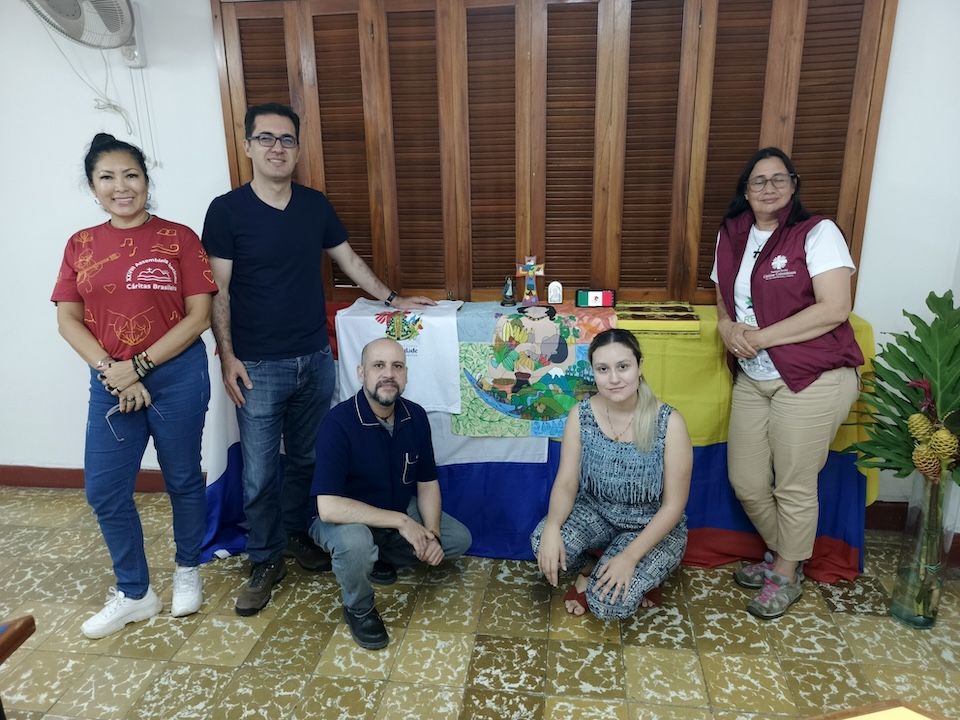
Esta pasantía, en la que participaron representantes de Colombia, Paraguay, Brasil y México, resalta la importancia de fortalecer el conocimiento y las capacidades de las Cáritas nacionales y diocesanas en América Latina y el Caribe, contribuyendo al desarrollo de comunidades más resilientes y autosuficientes en un contexto de desafíos socioeconómicos y medioambientales cada vez más complejos.
Care of the common home and Holistic Human Development