Stories
América Latina y el Caribe
15-01-2026
Obispos Presidentes de Cáritas se reúnen en México para actualizar el Magisterio Social de la Iglesia
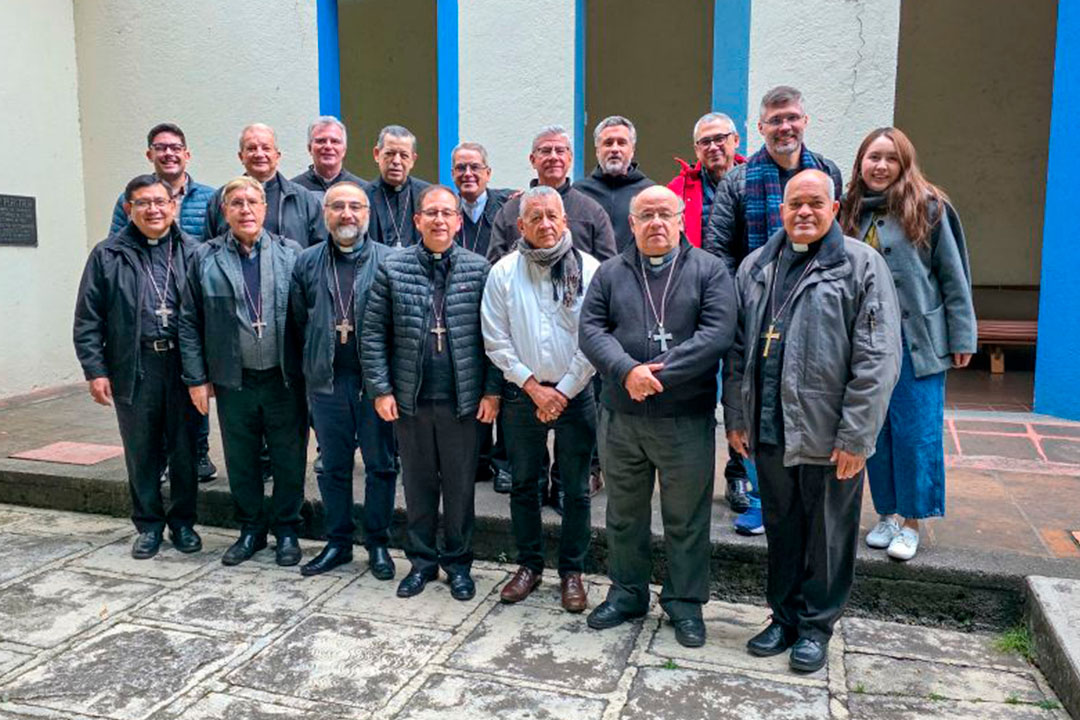
Del 11 al 16 de enero, Obispos presidentes de 11 Cáritas Nacionales de la región se reunieron en la Ciudad de México para actualizar su labor pastoral frente a los nuevos desafíos a la luz de la Doctrina Social de la Iglesia. El encuentro denominado Actualización Teológica Pastoral en Magisterio Social de la Iglesia coincide con la conmemoración de los 70 años de misión de Cáritas en América Latina y el Caribe.
Las jornadas contaron con la facilitación metodológica del profesor César Kuzma, doctor en Teología y miembro de la Comisión Teológica Asesora de Cáritas LAC, y participación de 18 ponentes de distintos países, con el objetivo de ofrecer un espacio formativo y reflexivo de alto nivel para fortalecer el rol de pastoreo en sus respectivas cáritas.
Monseñor Gustavo Rodríguez Vega, arzobispo de Yucatán y presidente de Cáritas LAC resaltó la importancia de este espacio formativo en el cual se presentaron “temas sociales de actualidad que urge que alguien nos oriente a nosotros para tener una mejor visión de lo que tenemos por delante.”
La fundamentación del evento subraya que la caridad no es solo una acción asistencial, sino una de las tres tareas inseparables que definen la naturaleza de la Iglesia, junto con la proclamación del Evangelio y la celebración de los sacramentos. "La Iglesia está llamada a ser una voz profética que denuncia la injusticia y promueve la dignidad de toda persona", destaca el mensaje central de la formación.
Experiencias de comunión y fraternidad
Monseñor Arturo Fajardo, obispo de Salto y presidente de Cáritas Uruguay, agradeció la oportunidad de participar de este encuentro de formación y de actualización. “Creo que es compartir las alegrías, las dificultades y reavivar el don que hemos recibido, el don de servir el Señor a través de estas instancias que son Cáritas y otras instituciones de iglesia, que se hacen cercana al sufrimiento de la gente y el tocar, como dice el papa Francisco, las heridas de tantos hermanos nuestros”.
El teólogo César Kuzma, que les acompañó a los obispos durante toda la semana, considera que ha sido una experiencia muy enriquecedora, especialmente en poder escuchar diferentes realidades y de poder compartir una construcción teológica colectiva sinodal, con vistas a un trabajo social en favor de los más pobres y necesitados. “Creo que lo que hemos vivido aquí fue una experiencia de construcción colectiva comunitaria en lo que corresponde a la misión de la Iglesia, que es la construcción del bien común”.
Recientemente actuando como presidente de Cáritas en su país, el Monseñor Reinaldo Sorto Martínez, obispo castrense del Ordinariato Militar de El Salvador, comparte que ha sido una primera experiencia muy hermosa. “Traía unas expectativas, pero creo que las expectativas son pequeñas en comparación a la experiencia que he tenido. He venido a aprender, he sido discípulo en esta ocasión para después poder compartir con mis hermanos del Salvador mi experiencia y los sentimientos que hemos tenido en estos días acá.”
Martínez subraya: “Estoy muy contento de poder llevarme en mi corazón, en mi mente y en mis apuntes muchos elementos, pero sobre todo estoy contento porque me he encontrado nuevamente con Cristo a través de los anuncios que se nos han dado, a través de lo que los santos padres han enseñado hasta el día de hoy y pues ya al ver las situaciones que se nos vienen, las transformaciones, este cambio de época y todo lo demás”.
Una agenda volcada a la realidad regional
Los temas seleccionados por la Comisión Teológica Asesora de Cáritas LAC buscaron fortalecer las competencias episcopales y ofrecer un espacio colegiado y sinodal de actualización teológico-pastoral del Magisterio Social de la Iglesia. De esta manera, se buscó abordar la complejidad social y los desafíos institucionales de la región, centrándose en el Desarrollo Humano Integral y la sinodalidad como principios de conducción.
El encuentro propició una reflexión profunda sobre las raíces de la crisis social y ambiental, tal como lo ha desarrollado el Papa Francisco y proyecta su continuidad el Papa León XIV, rechazando las visiones fragmentadas que separan ambas dimensiones.
El primer día, 12, se centró en el contexto y la dimensión social de la fe y de la evangelización, estableciendo el cimiento teológico y el contexto operativo de la formación, con oportunidad de una lectura de realidad latinoamericana, presentando megatendencias de la crisis civilizatoria actual. Este fundamento resultó crucial para que el análisis de coyuntura proporciona el marco de realidad necesario para aplicar el Magisterio social, respondiendo a las interrogantes sobre el porqué y el dónde de la acción eclesial. Aún en ese primer día, los obispos tuvieron la oportunidad de participar de un panel sobre los desafíos socioambientales, urbanos y político-culturales.
El martes 13 se dedicó a la profundización del Magisterio Social de la Iglesia a luz de la primera exhortación apostólica del Papa León XIV, Dilexi Te, de la encíclica Fratelli Tutti del Papa Francisco, y del proceso sinodal conectándolo con el rol de la pastoral social. Durante la tarde de este día, los obispos se acercaron a la Basílica de Santa María de Guadalupe, como peregrinos para celebrar la eucaristía y orar por la región junto al pueblo de Dios, compartiendo posteriormente un momento fraterno en la sede de la Conferencia Episcopal Mexicana como signo de colegialidad.
La jornada del miércoles 14 abordó la identidad y misión pastoral. El bloque matutino se dedicó a la actualización teológico-pastoral revisando documentos clave del Papa Francisco, como Laudato Si’, Laudate Deum, que subrayan la urgencia de la casa común; una compartida sobre la relación de los movimientos populares y el rol de la pastoral social; y una lectura "De Francisco a León" contextualiza la continuidad de este Magisterio con la misión actual de la Iglesia. Por la tarde, se estableció el anclaje histórico y eclesiológico de la caridad organizada, con reflexiones sobre Caritas in Veritate de Benedicto XVI, una relectura de Rerum Novarum de León XIII y una reflexión sobre sinodalidad y dimensión social de la evangelización.
Finalmente, el jueves 15 se analizaron los desafíos contemporáneos en un panel sobre la cultura del cuidado, iglesia y comunicación, y los impactos de la inteligencia artificial en la pastoral social.
El encuentro culminó por la tarde con sesiones de conversación en el Espíritu para recapitular lo compartido y abrazar los desafíos que animarán la pastoral caritativa en los respectivos países.
.jpg)
.jpg)
.jpg)
.jpg)
.jpg)
.jpg)
.jpg)
.jpg)
.jpg)
.jpg)
.jpg)
.jpg)
.jpg)
.jpg)
.jpg)
Identity and spirituality