Stories
América Latina y el Caribe
24-10-2025
Nicolás Meyer participa del Jubileo de los equipos sinodales: una gran apuesta a este proceso sinodal
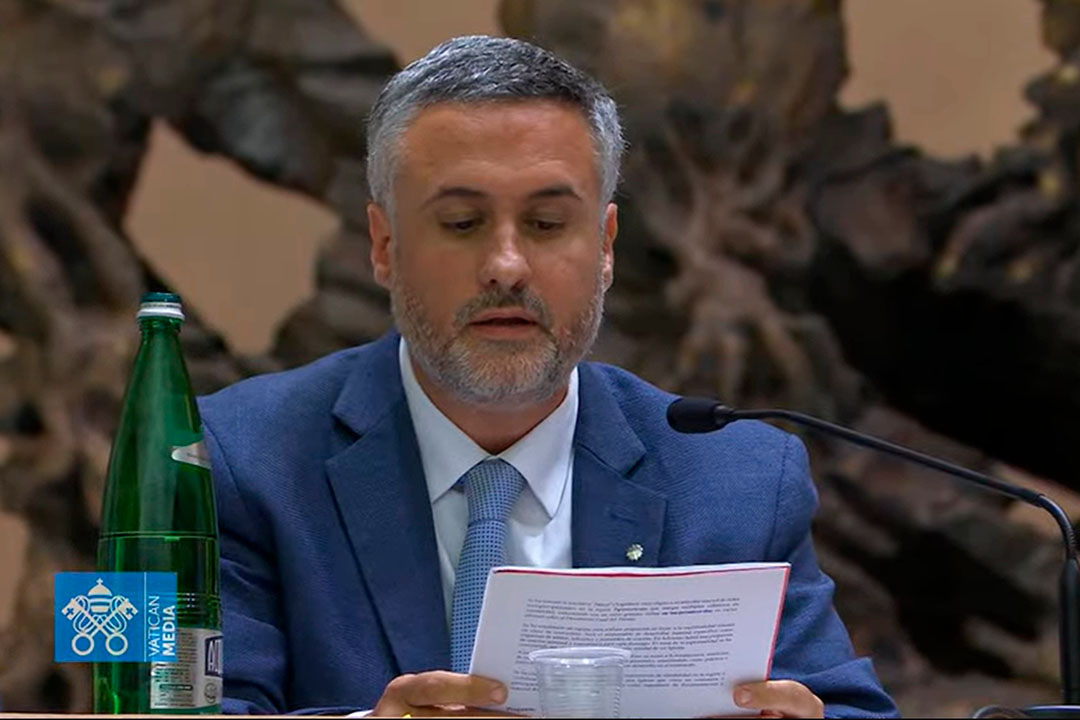
El Jubileo de los equipos sinodales que se desarrolla en el Vaticano del 24 al 26 de octubre, permite el reencuentro de realidades de diversas partes del mundo que caminan con el espíritu de la sinodalidad. En conversación con los medios vaticanos, el Coordinador de Cáritas para América Latina y El Caribe, Nicolás Meyer, y participante de este encuentro jubilar y sinodal, hace un balance de la vida sinodal de la Iglesia, de manera particular desde la experiencia de Cáritas.
“Nosotros estamos muy compenetrados con esta agenda sinodal, con este proceso. Desde el principio el Papa Francisco lo planteó como un proceso y no como un suceso, no como eventos de la Iglesia, sino como un proceso de conversión, un proceso de cambio, de resignificación y de transformación. Una palabra que en Cáritas nos resonó mucho del último Documento de pistas, que fue el que vino a facilitar y a mostrar el itinerario posterior al Documento final del sínodo, fue el tema de la experimentación. Como Iglesia necesitamos experimentar nuevas formas de vincularnos, nuevos mecanismos de trabajo, nuevos procesos, procedimientos, nuevas estructuras”, dice Meyer.
El Coordinador de Cáritas para América Latina y El Caribe expresa su satisfacción por el acompañamiento sinodal del Sucesor de Pedro: “nos alegró mucho que León le pueda dar tanta continuidad a lo que Francisco venía planteando, mostrando que es una decisión del pontificado más allá de la persona que encarna al Santo Padre en cada momento de la historia. Es nuestro Sucesor de Pedro el que nos sigue animando y nos invitó a tener este momento con él”.
El Sínodo una voz fuerte
Nicolás Meyer destaca también que, en su región, “el sínodo fue una voz que resonó fuerte y que se sintió muy propia. Creo que, desde nuestra última conferencia de Aparecida, luego con la Asamblea Eclesial de todo el continente, en México en pandemia, tuvimos una resonancia fuerte con los aspectos que proponía el Sínodo. Por lo tanto, las iglesias locales, las conferencias episcopales, las diócesis fueron conformando equipos”.
Noto una gran vida, una gran apuesta a este proceso sinodal -dice Meyer-, que siempre hay que seguir revitalizándolo, no hay que dormirnos en los laureles de las expresiones que vemos que están lindas, que vemos que hacen sentido, sino que eso se traduzca en prácticas que es lo que transforma la vida concreta de las comunidades eclesiales.
Dilexi te, la caricia de Dios a los más necesitados
Sobre la respuesta sinodal de Cáritas en Latinoamérica, señala Meyer que “tienen que ver con poder dar una respuesta de que sea la caricia de Dios a los más necesitados, a los que más sufren, especialmente abordando la realidad de la migración, de la trata y el refugio, la realidad de los medios de vida, del trabajo como respuesta también a una pobreza estructural, todo el tema de gestión del riesgo de las emergencias, que es algo muy identitario nuestro y que es un servicio que la sociedad y este momento de crisis climática nos lo pide fuertemente”.
Por lo cual considera también que la exhortación apostólica del Papa León XIV, Dilexi te, sobre el amor hacia los pobres: "nos habla al hoy de nuestra tarea, de nuestro servicio, de ser la misión evangelizadora de la Iglesia desde la pastoral social. Y eso tuvo mucho sentido, no sólo en este momento de la historia, sino que recapitula a Juan Pablo II, toma a Benedicto, toma a Francisco, y ahora se ve la pluma y el aporte de León. Esa voz de la Iglesia, del magisterio social de la Iglesia, que trasciende los momentos de la historia, que trasciende también los momentos eclesiales, donde vuelve a la raíz evangélica de que los pobres son la presencia de Dios en medio nuestro”, dijo.
Trabajamos para los pobres
“Que los pobres nos evangelizan como Iglesia, que ellos son una vitalidad que la Iglesia necesita acoger, abrazar, y que no es que trabajamos para los pobres, sino que trabajamos con ellos. Con ellos para su promoción, para su desarrollo, para generar estructuras justas ante tantas estructuras injustas a causa de un pecado estructural”, manifiesta Meyer.
Finalmente, considera que, en este Jubileo del Año Santo, “la esperanza tiene que ser una realidad que se encarna y que se puede tocar, no solo un discurso o una narración o un deseo. Y tenemos que poder mostrar de qué manera la esperanza se hace carne en comunidades muy concretas. Y eso Cáritas tiene un desafío muy grande porque trabajamos tanto con el dolor y con el sufrimiento, pero sabemos que en ese dolor y en ese sufrimiento Cristo transforma esas realidades, desde los corazones hasta las estructuras”.
Publicación de Johan Pacheco, en VaticanNews.va
Identity and spirituality