Stories
América Latina y el Caribe
26-06-2025
Más allá de los algoritmos: un llamado a la acción por narrativas humanas sobre el refugio
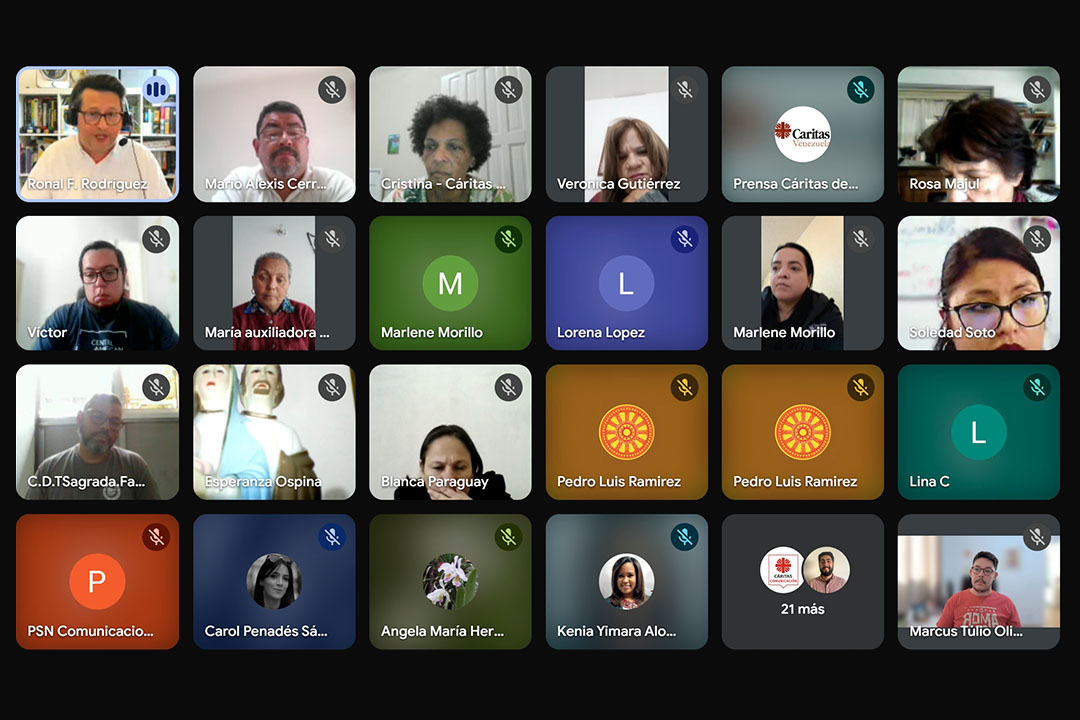
El pasado miércoles 25 de junio, el equipo regional de Migración, Desplazamiento, Víctimas de Trata y Refugio de Cáritas América Latina y el Caribe (LAC) organizó el conversatorio virtual "Narrativas con esperanza: transformando las narrativas sobre el refugio". Este evento, con la participación de los comunicadores de la región, tuvo como objetivo principal promover una reflexión sobre las narrativas en torno a las personas refugiadas, impulsando un enfoque más humano, solidario y basado en el reconocimiento de sus derechos. La motivación principal fue el Día Mundial de las Personas Refugiadas, celebrado anualmente el 18 de junio.
En un contexto regional donde los discursos de miedo, estigmatización y desinformación siguen impactando profundamente la percepción de las personas refugiadas y migrantes forzadas, este encuentro buscó visibilizar las narrativas actuales, fomentar el diálogo e intercambio de experiencias, e identificar claves comunicacionales para mejorar el abordaje institucional del tema.
Desinformación, algoritmos y el ascenso de discursos de odio
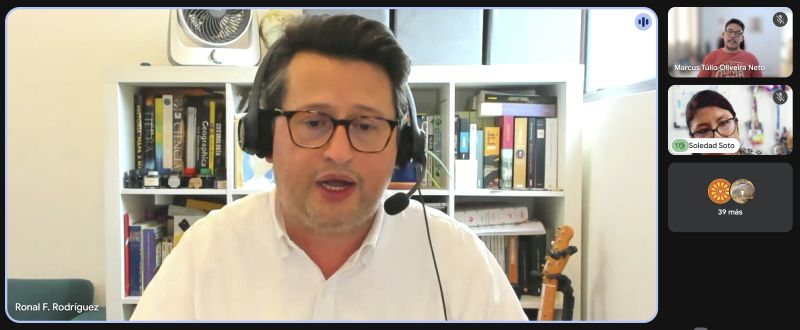
La ponencia principal del conversatorio estuvo a cargo de Ronal F. Rodríguez, investigador y vocero del Observatorio de Venezuela de la Universidad de Rosario y profesor de la Universidad de La Sabana. El doctor Rodríguez ofreció muchos ejemplos y análisis empezando sobre la crisis de los rohingya en Myanmar, donde la desinformación en redes sociales como Facebook exacerbó la violencia contra esta minoría musulmana.
Rodríguez explicó cómo las redes sociales priorizan el contenido que genera interacción, incluso si es falso, dándole mayor visibilidad y amplificando narrativas de odio. Comparó esta situación con el discurso anti-migratorio actual en Estados Unidos y Europa, donde incidentes aislados son utilizados para criminalizar a poblaciones enteras, y resaltó el papel de la inteligencia artificial y los algoritmos en la amplificación de estos discursos.
Asimismo, lamentó cómo la población venezolana se ha convertido en objeto de odio y temor en la sociedad norteamericana sin representar un peligro real , y señaló la disminución de la cooperación internacional, que ahora se reorienta hacia fines militares. Rodríguez enfatizó la importancia de promover la integración de migrantes y personas en condición de refugio , y ante el desafío de los algoritmos, instó a los ciudadanos a tomar acción y a las organizaciones de la sociedad civil y periodistas a asumir un papel pedagógico fundamental.
Voces desde la experiencia: historias de resiliencia y esperanza
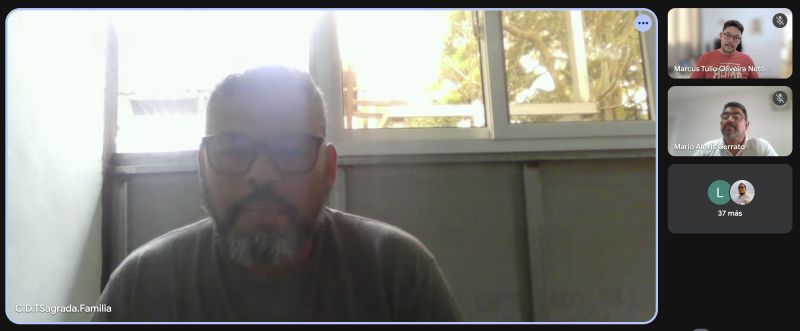
El conversatorio contó con dos emotivos testimonios que dieron voz y rostro a la realidad de la migración. Yosmel Caña es venezolano y actualmente está en el Centro de Descanso la Migrante Sagrada Familia, en la ciudad de Danlí, Honduras. Él denunció el maltrato y rechazo que enfrentan muchos migrantes debido a discursos de odio. Destacó la importancia de la fe y la esperanza para quienes atraviesan situaciones difíciles como secuestros y maltratos , y agradeció el apoyo recibido en Honduras y el papel de la Iglesia en alimentar la fe de los migrantes. “Ser migrante no es un delito y que, a pesar de las dificultades, las personas migrantes son padres, hijos y familias buscando un futuro mejor.
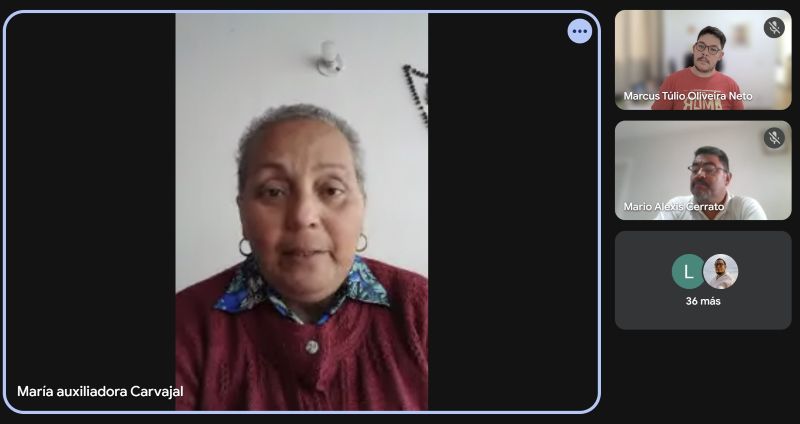
Por su parte, María Auxiliadora Carvajal, psicóloga venezolana solicitante de asilo en Colombia, relató su llegada en 2018 huyendo de la violación de derechos básicos y la pérdida de libertad de expresión en Venezuela. Resaltó cómo su conocimiento sobre el proceso de solicitud de refugio le permitió obtener un estatus legal y enfatizó la importancia del propósito al migrar para mantenerse estable y perseverante. “Cuando yo puedo tener un propósito y saber hacia dónde me dirijo, creo que eso me permite a mí ser más estable, más consistente, más perseverante en lo que yo necesito para mí y para mi familia. Ciertamente son muchos los retos y los desafíos que como migrantes y solicitantes de refugio en un país tenemos”, dijo.
María Auxiliadora también compartió su experiencia personal sobre el apoyo recibido en Colombia de instituciones de la Iglesia Católica, ACNUR y Europana, crucial para su reconstrucción de vida.
Claves para narrativas éticas y transformadoras
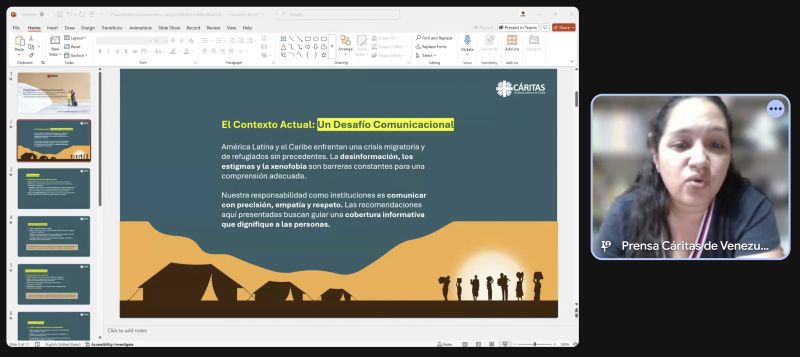
En el cierre del conversatorio, la periodista María Eva Lobo, de Cáritas de Venezuela y referente de comunicaciones en Cáritas LAC, presentó siete recomendaciones fundamentales para promover narrativas éticas y transformadoras sobre personas migrantes y refugiadas. Subrayó la responsabilidad de las instituciones de comunicar con precisión, empatía y respeto.
Las recomendaciones incluyen:
- Humanizar los relatos más allá de las cifras: Priorizar historias individuales y experiencias personales, incluyendo testimonios, fotografías y videos que muestren la resiliencia y diversidad de las personas, y obteniendo siempre el consentimiento informado.
- Lenguaje y terminología inclusivos y dignos: Evitar términos peyorativos como "ilegales" o "invasores", y utilizar "persona refugiada", "persona migrante", "personas en movilidad humana" o "solicitantes de asilo", explicando las diferencias según el derecho internacional.
- Diversificar y verificar las fuentes de información: Especialmente en tiempos de noticias falsas, es crucial verificar cada fuente, incluir las voces de las personas en movilidad como fuente primaria, y evitar basarse solo en fuentes gubernamentales no verificadas.
- Contenido visual respetuoso y empoderador: Utilizar imágenes que empoderen y muestren la dignidad de las personas, evitando aquellas sensacionalistas que victimicen sin contexto y priorizando fotos que muestren su diligencia y contribución a las sociedades de acogida.
- Destacar las causas fundamentales y el impacto regional: Analizar las razones detrás de la migración forzada (violencia, persecución, crisis económicas, desastres naturales) y mostrar el impacto en las comunidades de origen, tránsito y destino, fomentando la comprensión de la migración como un fenómeno complejo y multidimensional.
- Comunicar acciones de apoyo y reforzar el compromiso institucional: Destacar las acciones de asistencia humanitaria, defensa de derechos e integración, la colaboración entre organizaciones y gobiernos, y reforzar el compromiso institucional con los valores de acogida, protección, promoción e integración, recordando los cuatro verbos del Papa Francisco.
- Contrarrestar la desinformación y la xenofobia: Realizar un monitoreo permanente para identificar narrativas falsas y discursos de odio, construir narrativas propias que reposicionen positivamente la movilidad, y publicar información precisa y verificada para desmentir mitos, promoviendo la educación y sensibilización.
En conclusión, el evento reafirmó el compromiso continuo con una comunicación ética que dignifica al prójimo, con el objetivo final de fomentar una sociedad más informada, comprensiva y solidaria con las personas refugiadas y migrantes, promoviendo la reflexión crítica y un diálogo constructivo sobre la migración. Mario Alexis Cerrato, al cierre, enfatizó que este encuentro es un impulso para cambiar narrativas y hacer visible el rostro humano de los hermanos en refugio.
Identity and spirituality