Stories
América Latina y el Caribe
17-07-2026
La Zona CAMEX se fortalece en Panamá rumbo al XXI Congreso Regional de Cáritas en Brasil
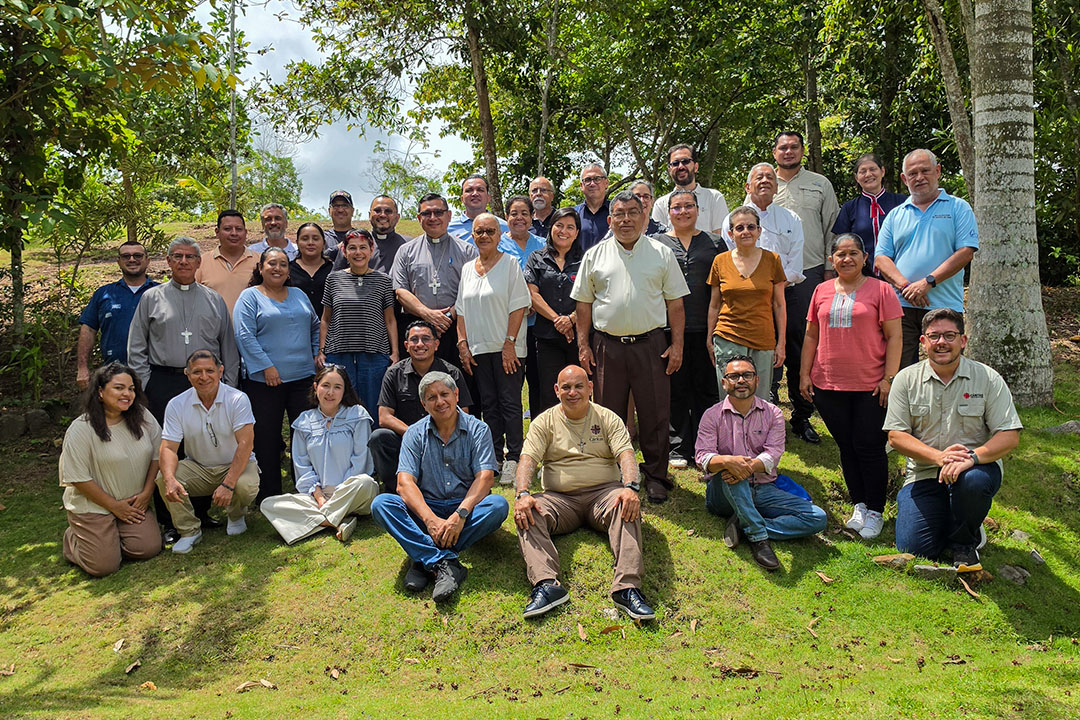
Del 30 de junio al 2 de julio, la Ciudad de Panamá fue sede del encuentro zonal denominado "Brasilerito" de la Zona CAMEX, un espacio de preparación, reflexión y articulación que reunió a delegaciones de los seis países que integran la región de Centroamérica y México.
El evento tuvo como propósito central identificar problemáticas comunes, hacer memoria agradecida de la presencia de Cáritas en la zona y acordar prioridades estratégicas como bloque, en el camino de preparación hacia el XXI Congreso Regional de Cáritas América Latina y el Caribe, que se llevará a cabo en Brasil en febrero de 2027.
Reencuentro, identidad eclesial y aportes zonales
Durante las tres jornadas de trabajo, obispos, directores nacionales y miembros de las cáritas nacionales sobre la realidad social y el papel de la Iglesia frente a las desigualdades. Con el aporte del doctor Jon Subinas, del Centro Internacional de Estudios Políticos y Sociales (CIEPS), los participantes pudieron hacer un profundo análisis coyuntural de las democracias en los países que conforman la zona Camex: Costa Rica, El Salvador, Guatemala, Honduras, Panamá y México.
Al respecto, Wilfredo Cervantes, director de Cáritas Honduras y coordinador de la Zona CAMEX, destacó el clima de fraternidad y la diversidad de miradas que enriquecieron el diálogo:
Hemos estado en Panamá, en este espacio, este encuentro de la zona Camex, un poco para reencontrarnos, para identificar aquellas, aquellos clamores, aquellas líneas de trabajo común que tenemos las Cáritas de la zona y volver también a esa identidad que tenemos como iglesia para sumarnos luego al Congreso de América Latina y el Caribe, haciendo nuestro aporte como zona. Ha sido un evento de mucha cercanía, mucha fraternidad. Hemos contado con la participación de nuestros señores obispos, directores nacionales, miembros de los equipos de Oficina Nacional y también de algunas diócesis, para compartir desde diferentes ópticas, como decía, estos clamores y los desafíos que esto nos representa.
Juventud e integración de ejes transversales
Paola Oviedo, integrante de Cáritas Mexicana y referente regional de Jóvenes en Cáritas América Latina y el Caribe, compartió la importancia de integrar a la juventud en el camino hacia la gran cita regional:
En este Brasilerito de la Zona Cámex estuve participando y ha sido realmente una experiencia muy provechosa porque pudimos ver que aún tenemos mucho trabajo, tenemos que impulsar a los jóvenes que están tanto dentro de Caritas como hacia quienes buscamos salir a apoyar e impulsar. También he visto todo el trabajo como referente regional de ir caminando en torno a Brasil en 2027 y eso nos lleva a seguir animando no solamente al grupo de jóvenes sino realmente integrarlo e involucrarlo junto con los otros temas transversales que es género y que es personas mayores."
El papel de las nuevas generaciones y la transversalidad de la acción pastoral deben ocupar un lugar prioritario en la agenda de discusión. La articulación con otros sectores vulnerables fue señalada como una clave indispensable para el trabajo territorial.
Enriquecimiento pastoral y compromiso de transformación
Un punto resaltado por Wilfredo y refleja también el compromiso de acompañamiento a la realidad social de la región es la participación de los obispos presidentes de las cáritas nacionales, quienes animaron a llevar las conclusiones a sus países para consolidar procesos de mejora continua e incidencia en favor de los más necesitados.
Monseñor Engelberto Polino, obispo de Tepic y presidente de Cáritas Mexicana, resumió el impacto fraterno y metodológico del encuentro. “Agradezco la oportunidad que nos han brindado por parte de esta experiencia latinoamericana de poder participar en este Brasilerito en esta ciudad de Panamá. Ha sido una experiencia muy enriquecedora”, resaltó.
El hecho de encontrarnos con personas que están trabajando temas sociales, la pastoral social, la Caritas, en diferentes países, ya es muy enriquecedor. El platicar cuando nos encontramos, en los descansos, en el comedor y más cuando hemos trabajado en estos equipos buscando como problemáticas comunes a cada uno de estos países, de estas Caritas, ha sido muy rico. El poder compartir por países, el poder compartir luego con los demás países nuestras conclusiones, el ver cómo hay coincidencias, cómo también hay divergencias, pues ha sido muy enriquecedor .
Monseñor Polino subraya que cada participante lleva esta bonita experiencia "con el deseo de poder aterrizar también esto que hemos vivido para poder incidir más en una transformación, en una mejora de nuestros procesos y de nuestra pastoral Caritas en nuestros países."
Consensos de país y hospitalidad panameña
Por su parte, la delegación anfitriona valoró la oportunidad de recibir a los hermanos de la región y la capacidad del bloque para alcanzar acuerdos colectivos en temas fundamentales para el desarrollo humano integral.
Manuel Amaya, de Cáritas Panamá, expresó su satisfacción por los logros alcanzados durante la jornada:
Es un placer haber recibido a todos los compañeros en este congreso del Brasileritos aquí en Panamá, a todos nuestros hermanos de todas las Caritas de Camex. También una experiencia muy bonita haber participado como Camex y como Panamá en el momento de todo lo que se ha hablado totalmente y lo que se va a llegar y cómo llegar al consenso como países de las Camex a diferentes temas que hemos hablado y hemos llegado a un consenso como Camex. Así que un gusto y espero estar y encontrarme con todos ustedes en Brasil.
Con los insumos construidos en Ciudad de Panamá, la Zona CAMEX da un paso firme en su proceso de articulación sinodal, llevando la voz y las realidades de Centroamérica y México hacia el Congreso Regional de Brasil 2027.
-(pequeno).jpg)
-(pequeno).jpg)
-(pequeno).jpg)
-(pequeno).jpg)
-(pequeno).jpg)
-(pequeno).jpg)
-(pequeno).jpg)
.jpg)
.jpg)
.jpg)
.jpg)
.jpg)
.jpg)
Identity and spirituality