Stories
América Latina y el Caribe
14-11-2025
La voz profética del Sur Global en la COP30
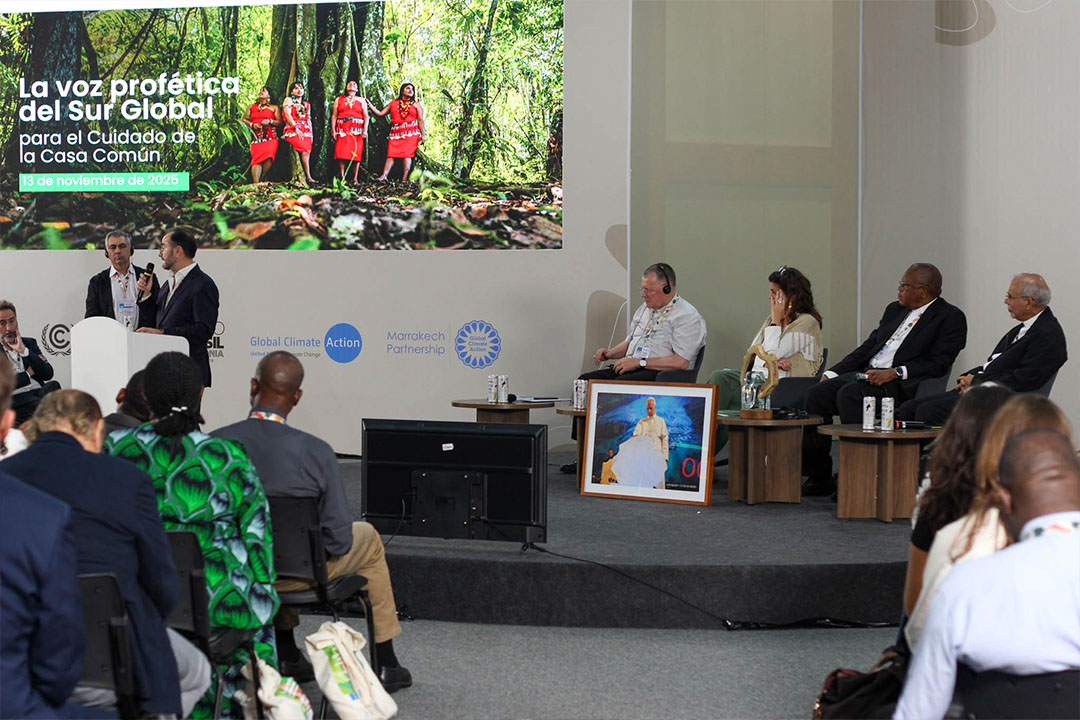
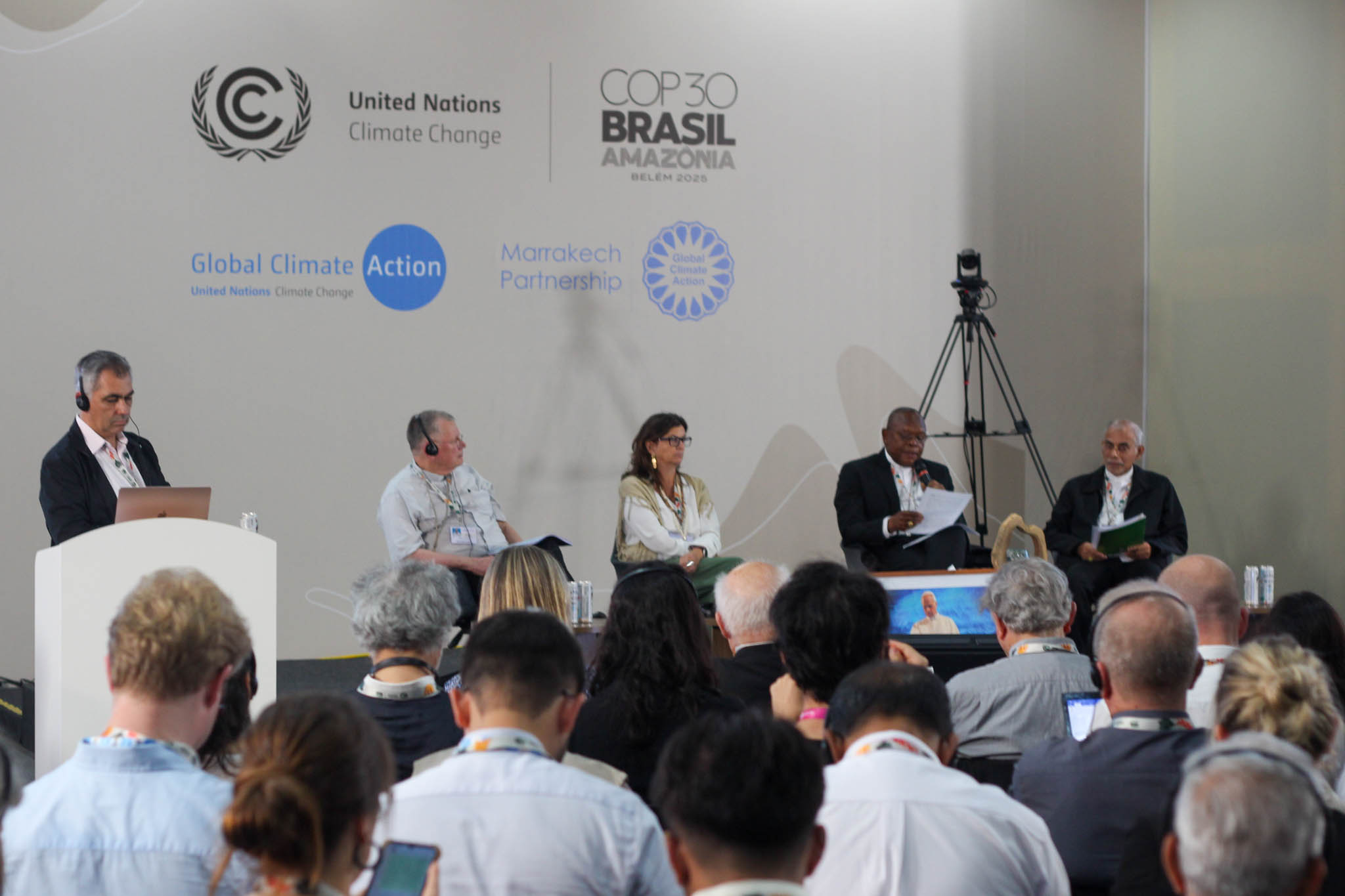
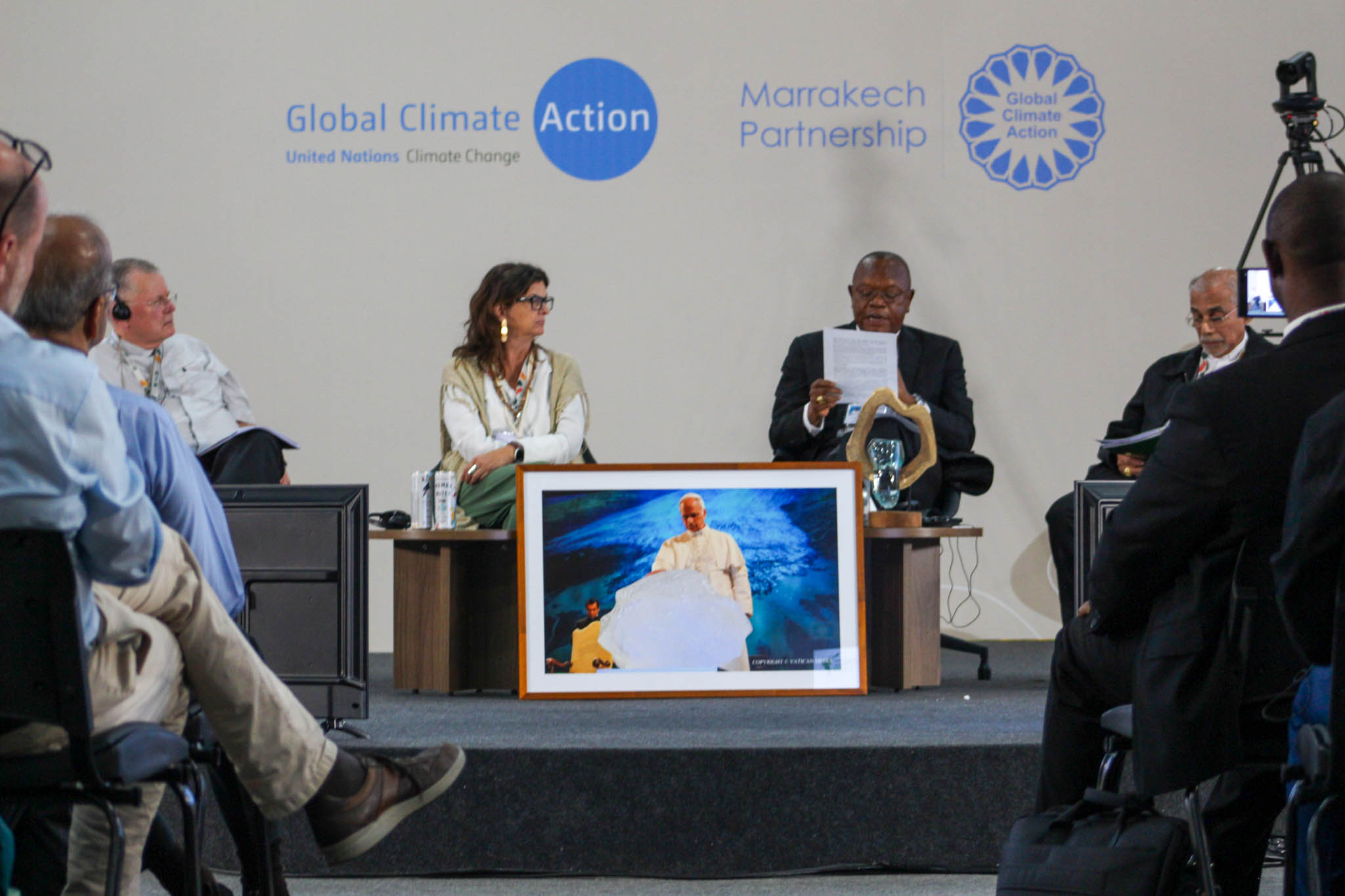
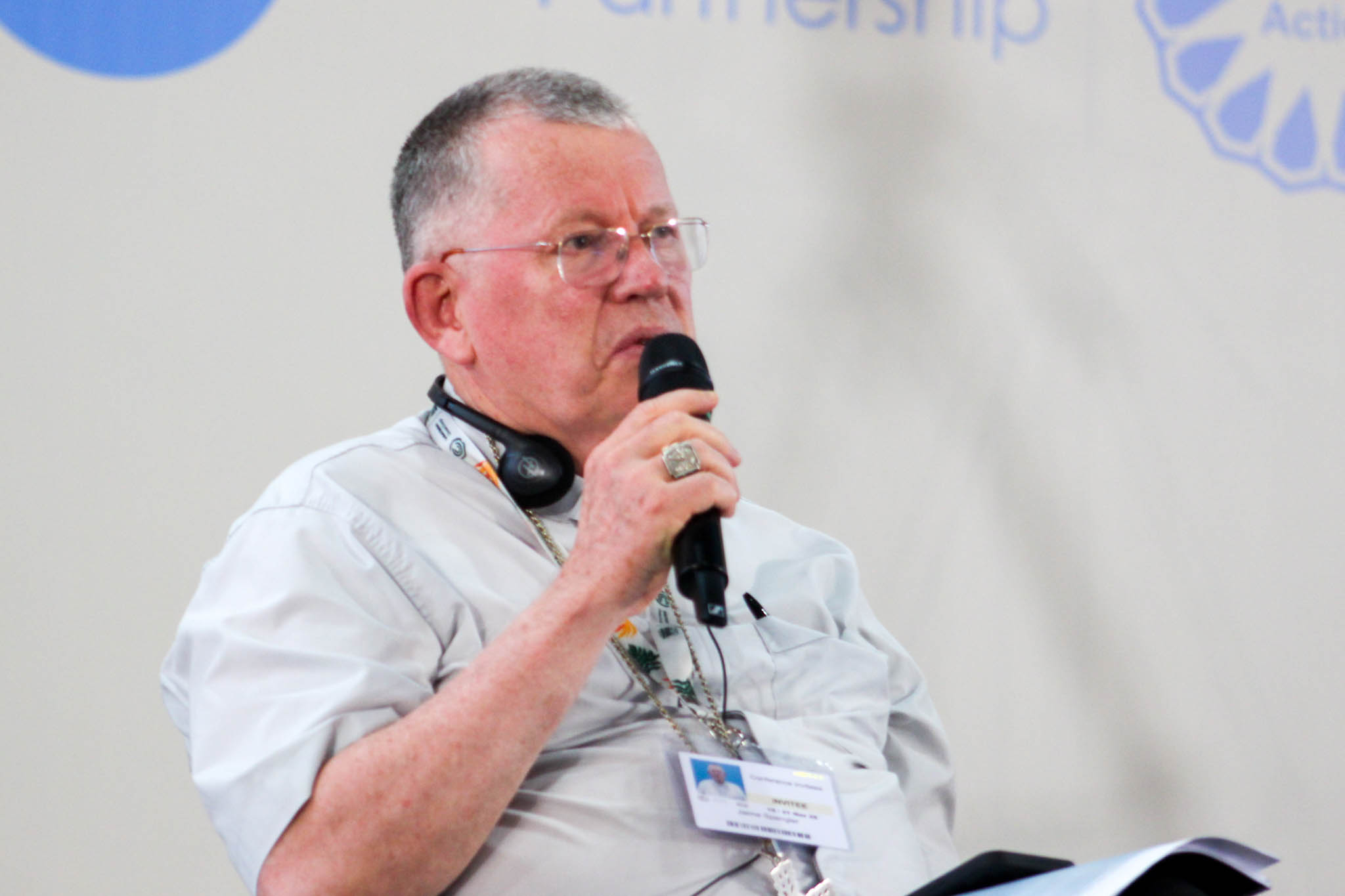
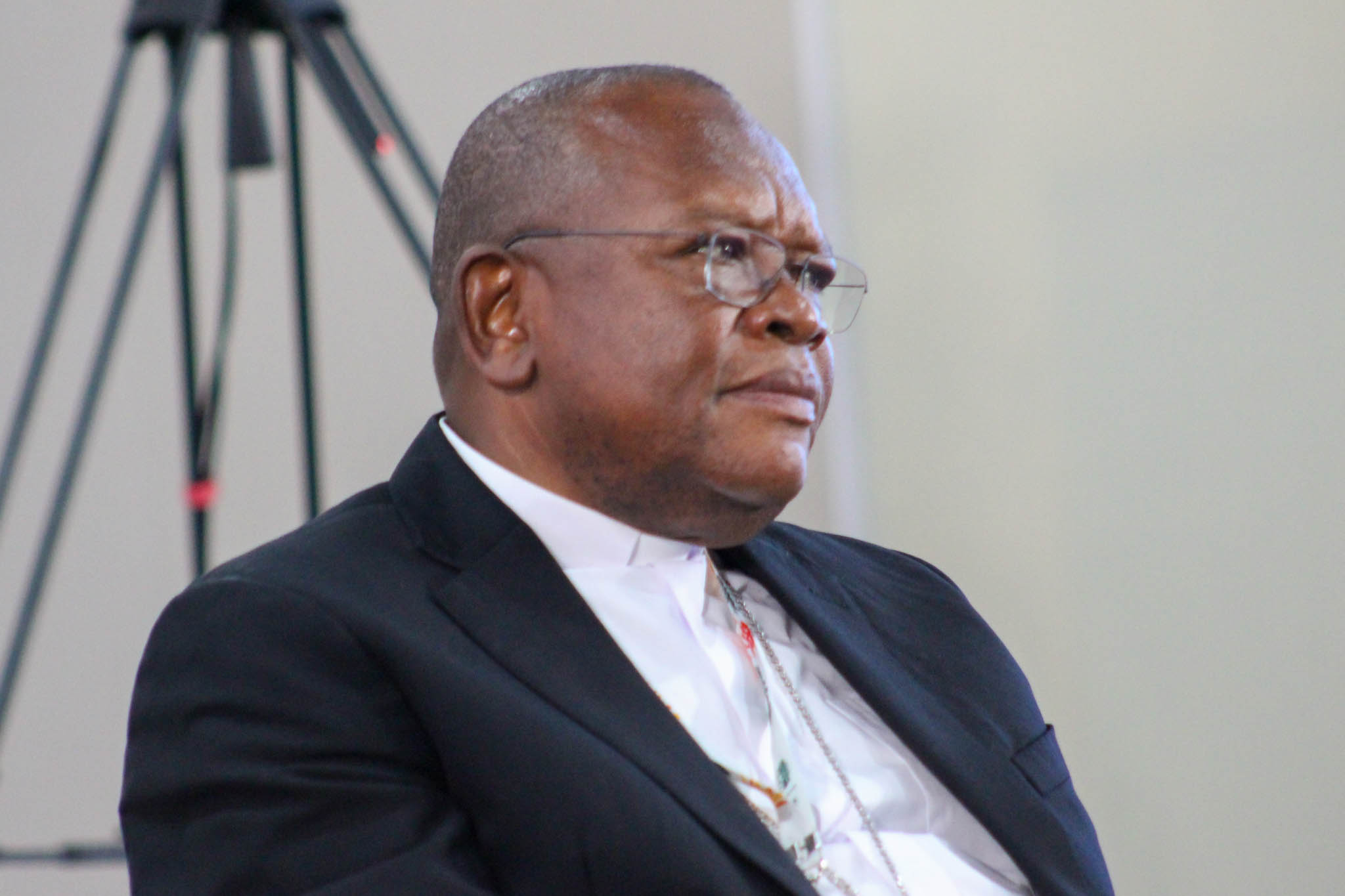
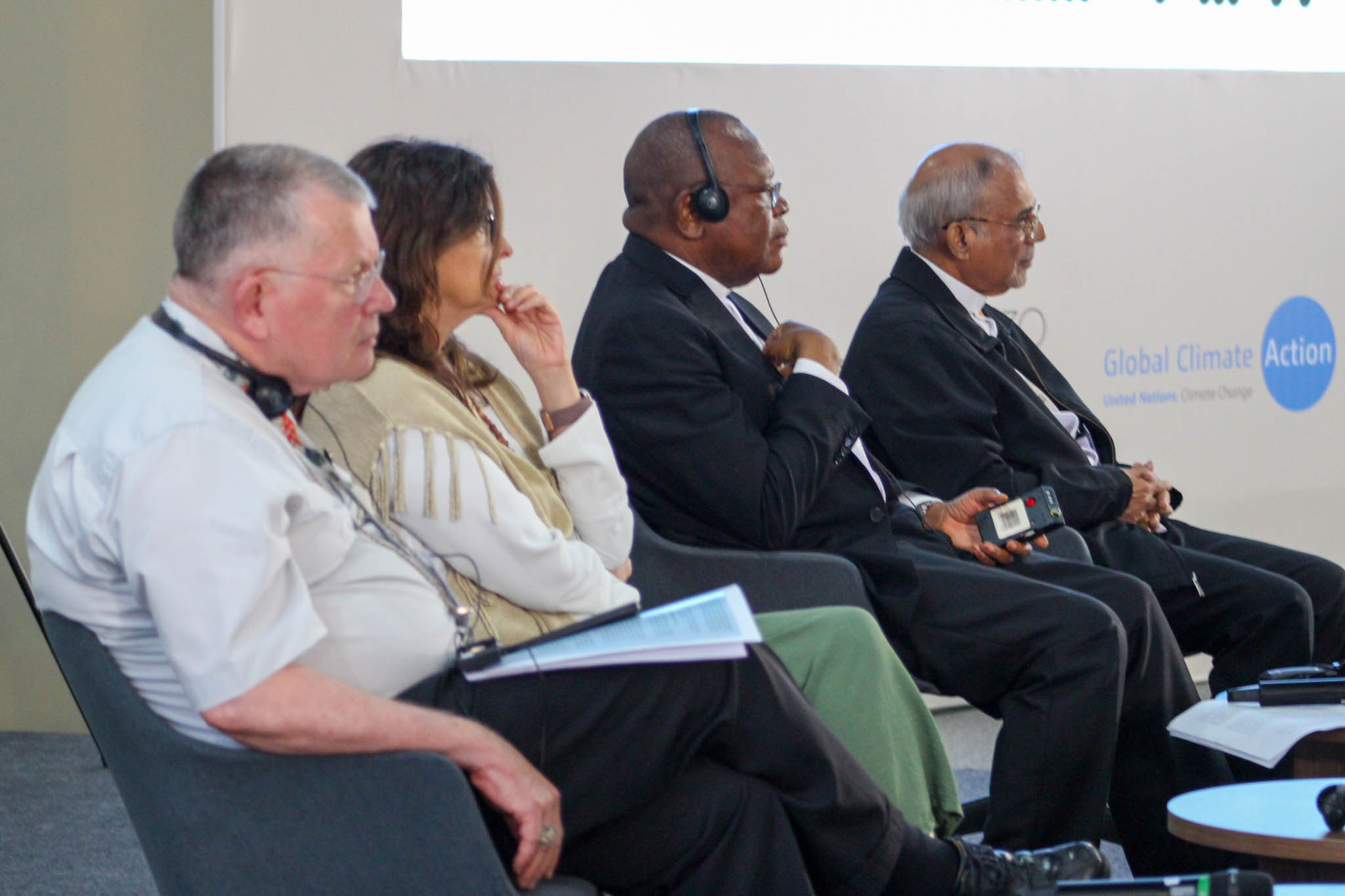
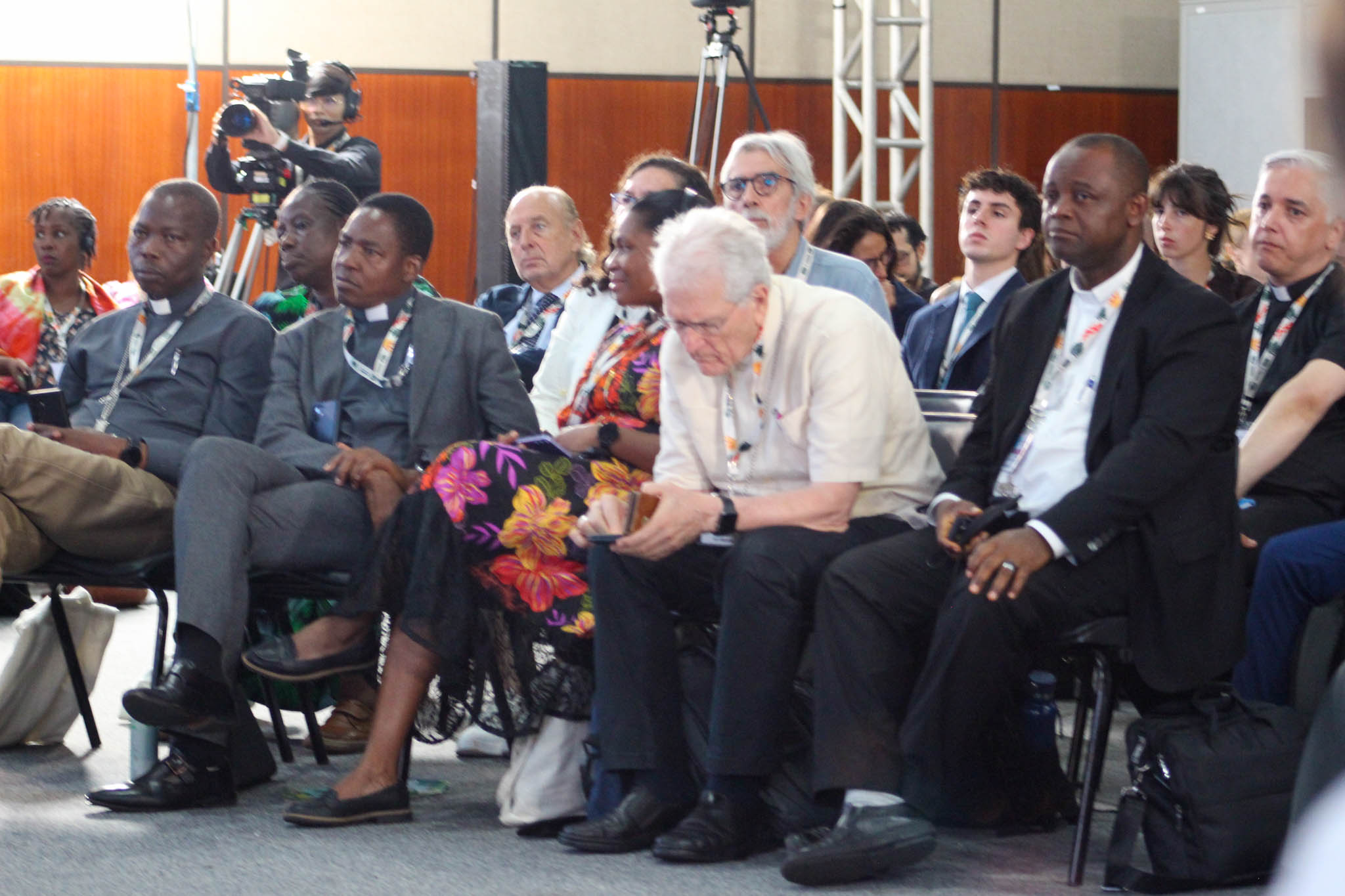
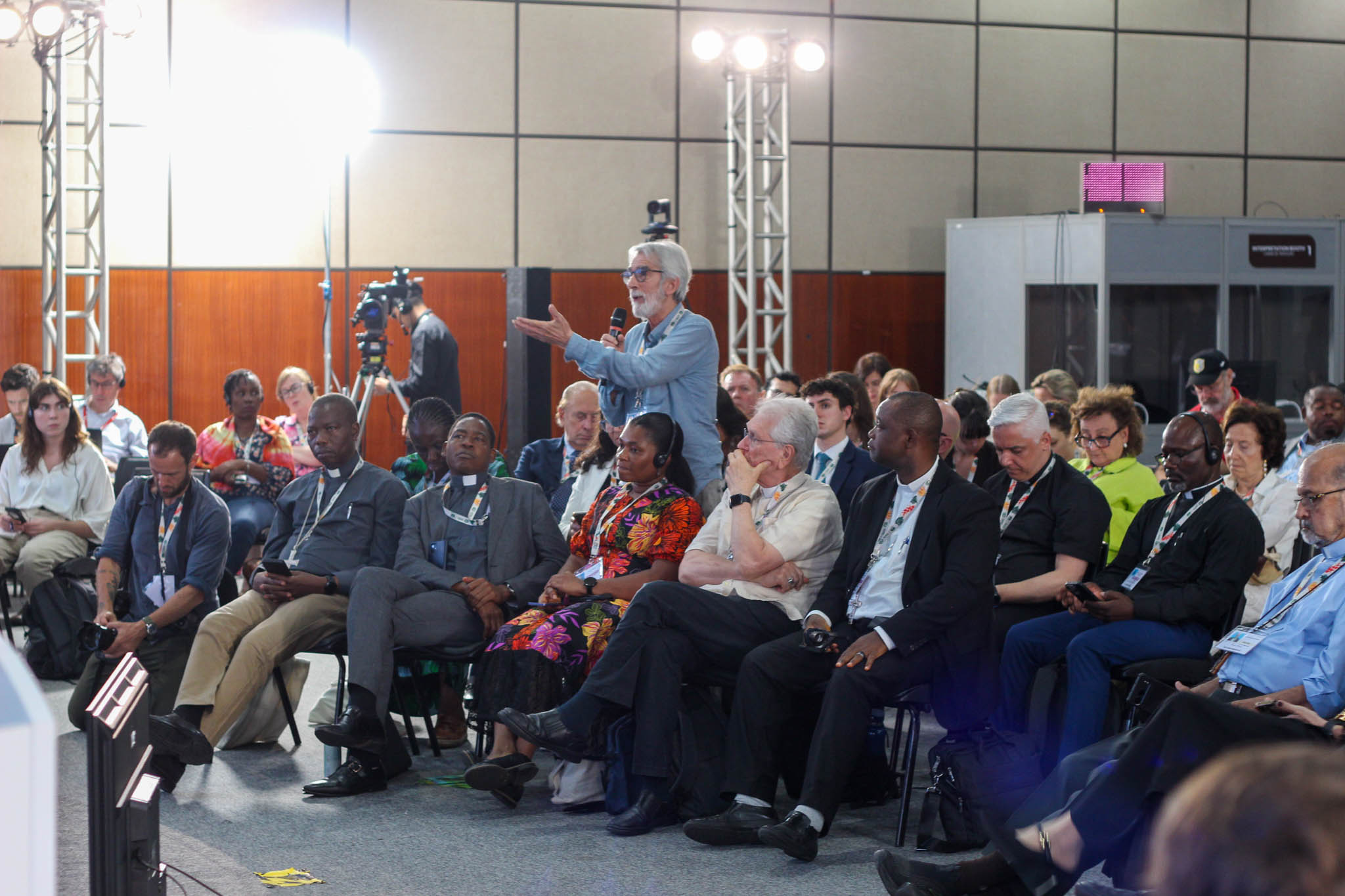
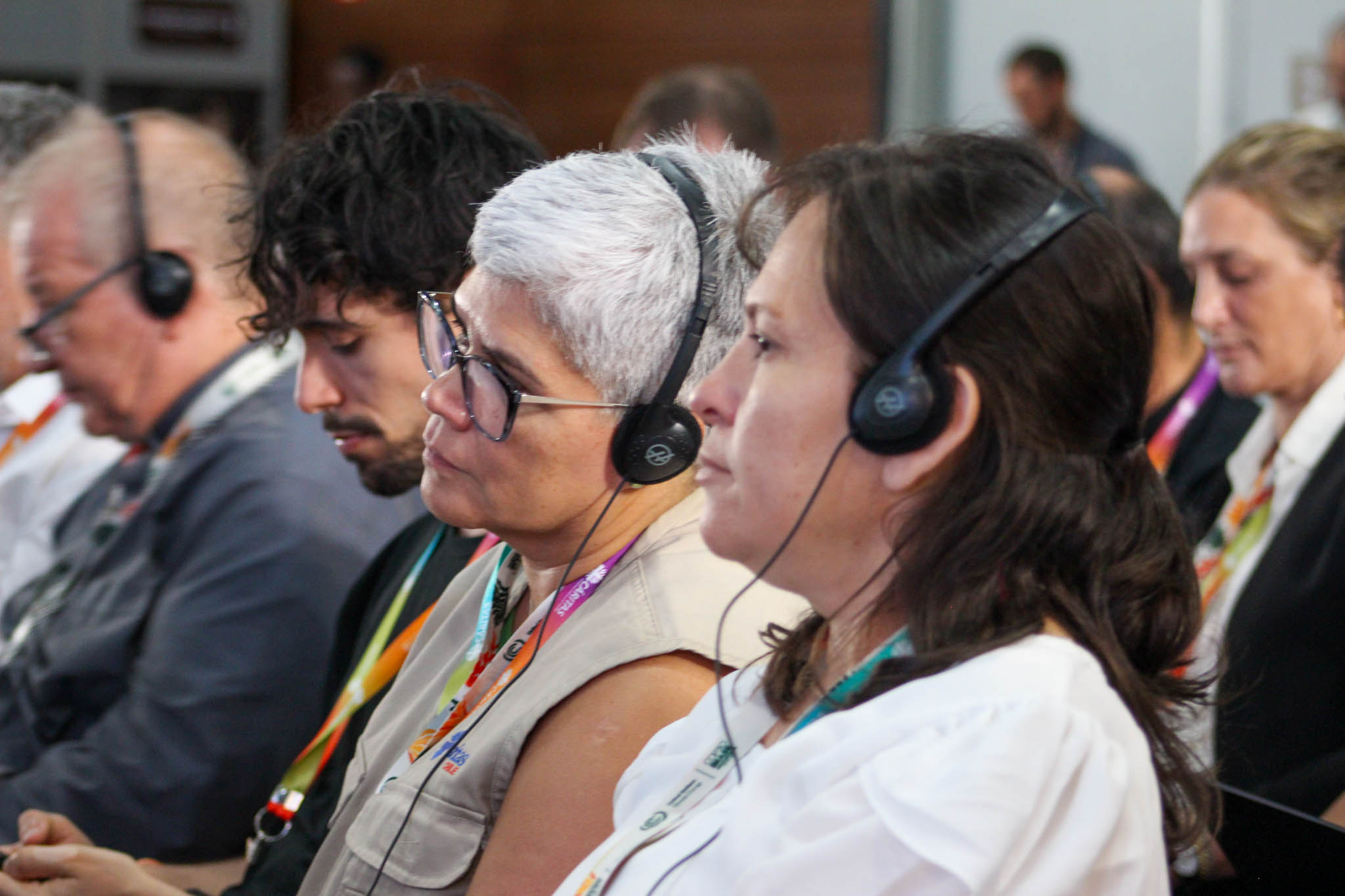
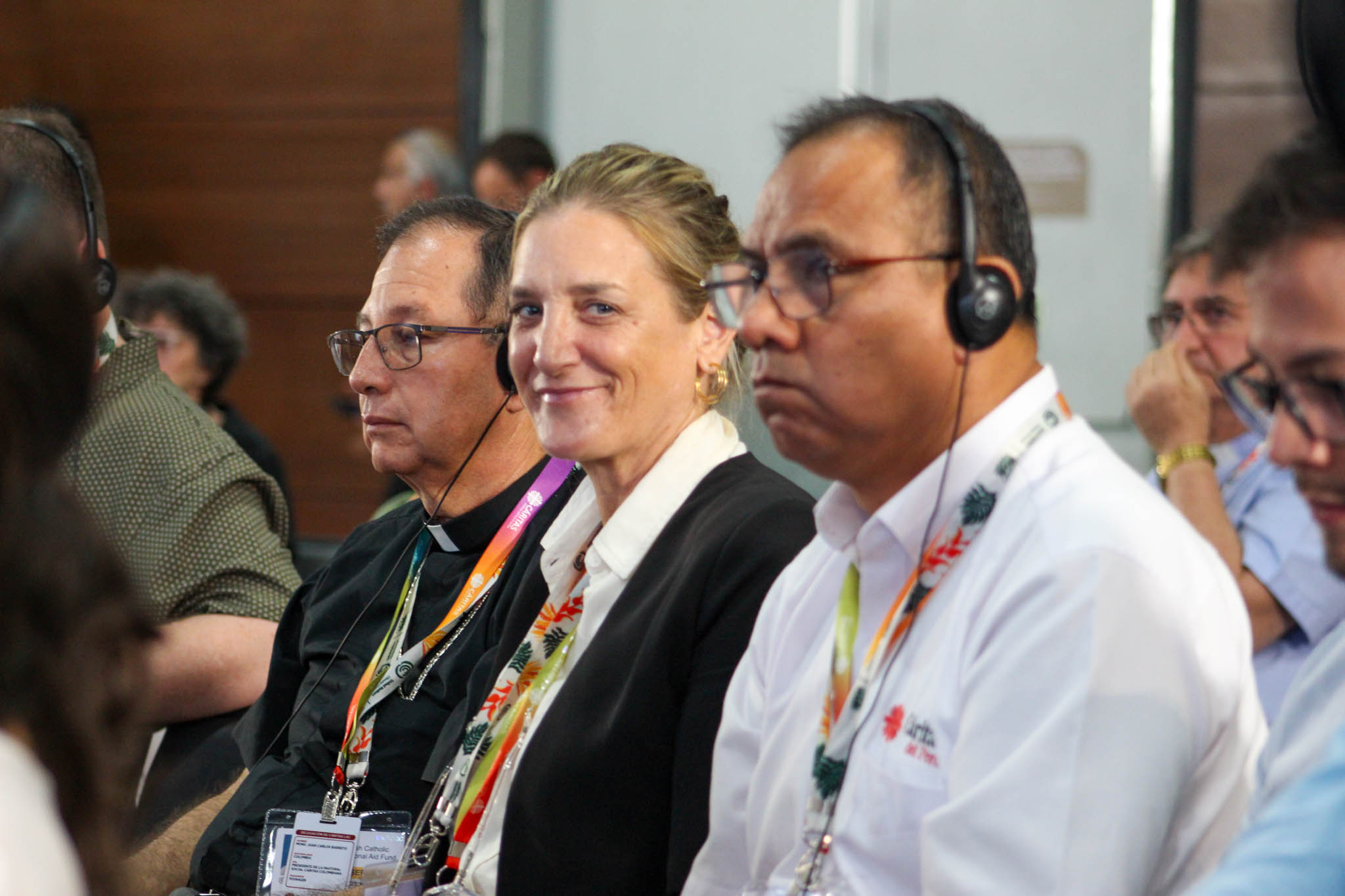
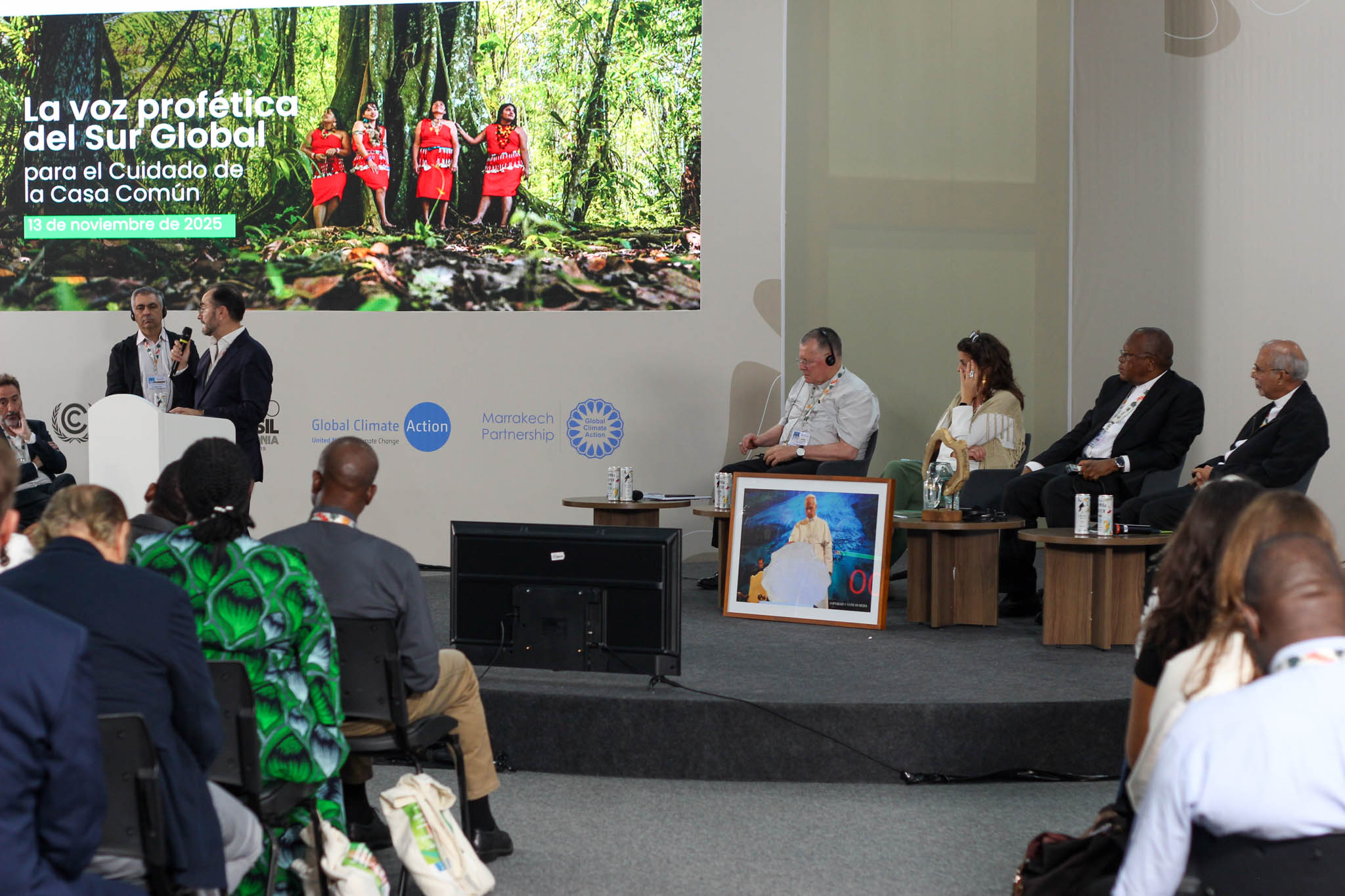
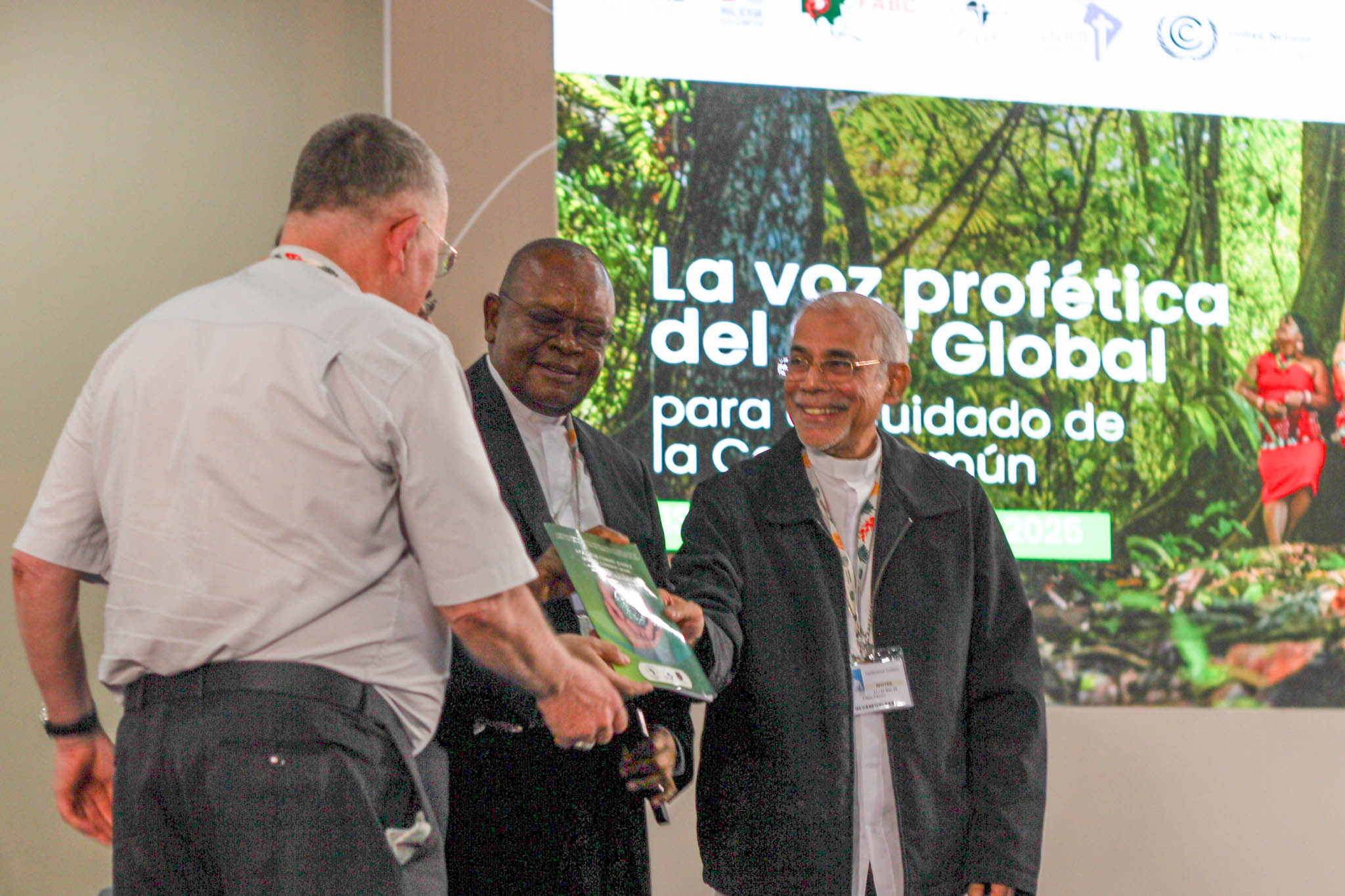
El 13 de noviembre, en Belém, una de las salas más grandes de la COP30 acogió una amplia asamblea de organizaciones cristianas, representantes de la Santa Sede y delegados de la Iglesia de muchos países del mundo. En la sala de eventos especiales Paranaiba, los cardenales Jaime Spengler (de Brasil), Fridolin Ambongo Besungu (de la República Democrática del Congo) y Filipe Neri Ferrão (de la India) transmitieron un mensaje unificado de urgencia moral sobre la necesidad de adoptar medidas climáticas decisivas.
Presentaron la Declaración de los Obispos del Sur Global, Un llamamiento a la justicia climática y la casa común: conversión ecológica, transformación y resistencia a las falsas soluciones. Para leer el texto completo, haz click aqui.
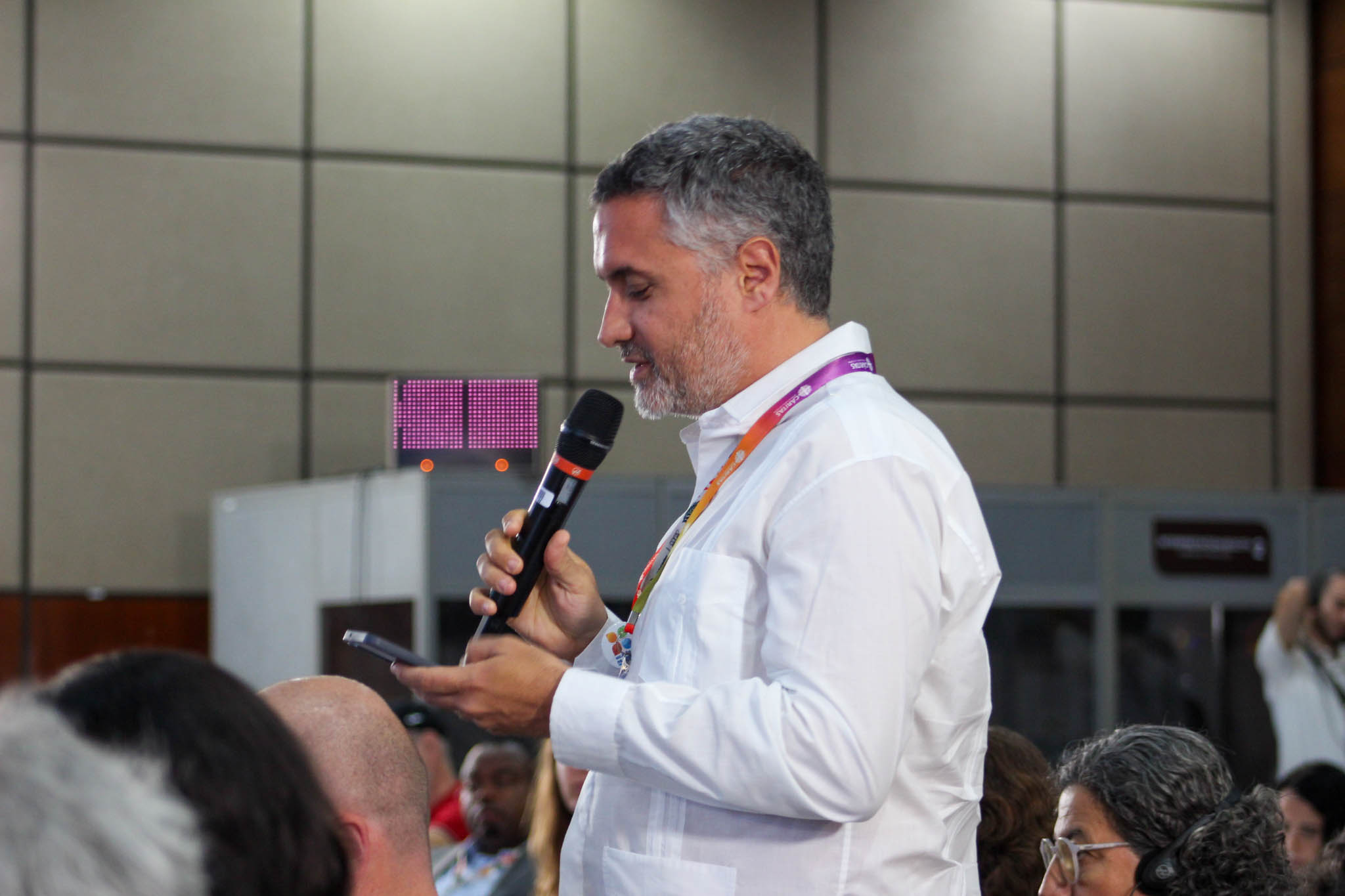
Gustavo Mañez Gomis, de la Presidencia de la Convención Marco de las Naciones Unidas sobre el Cambio Climático (CMNUCC), reconoció la intervención del liderazgo católico como «un recordatorio necesario de que la política climática tiene un rostro humano», rostros que la Iglesia ve cada día en su camino pastoral con los pueblos de todas las tierras martirizadas. También les animó a seguir ofreciendo orientación moral, subrayando que la ambición técnica debe ir acompañada de una orientación ética y moral.
Cardenal Spengler: «La Tierra es un organismo vivo y expresivo»
El cardenal Jaime Spengler, O.F.M., arzobispo de Porto Alegre, inauguró el evento con un llamamiento a la vez poético e inquietante. «La Tierra es un organismo vivo y expresivo que merece respeto y cuidado», afirmó. «Por desgracia, es posible que hayamos dejado de escucharla. Debemos redescubrir nuestra capacidad para oír a la Tierra».
En este momento histórico y existencial —dijo—, los pueblos de África, Asia, Oceanía, América Latina y el Caribe —las comunidades ribereñas, los pueblos indígenas, los afrodescendientes, los agricultores, los habitantes de las ciudades, los mártires de la tierra, pasados y presentes— están alzando sus voces.
El cardenal destacó que son protagonistas de esta historia y que quieren y merecen ser escuchados. Buscan participar en el diálogo para ayudar a construir soluciones viables a los retos del cambio climático, que son cada vez más evidentes, frecuentes y perjudiciales, especialmente para los más pobres.
La Iglesia en África, América Latina y Asia —anunció— se compromete a aportar lo que le es propio para ayudar a reparar el tejido social desgarrado. El papa Francisco nos recuerda que la esperanza cristiana es combativa, lleva consigo la tenacidad de quienes caminan hacia una meta segura.
«No tendremos paz ni verdadero progreso a menos que restauremos la confianza mutua, asumamos nuestras responsabilidades compartidas, busquemos la justicia y mostremos respeto y ternura hacia el jardín que se nos ha confiado, un jardín dado a la humanidad para que lo cuide y lo ayude a florecer», concluyó Spengler.
Soluciones en ecología integral: cardenal Ambongo
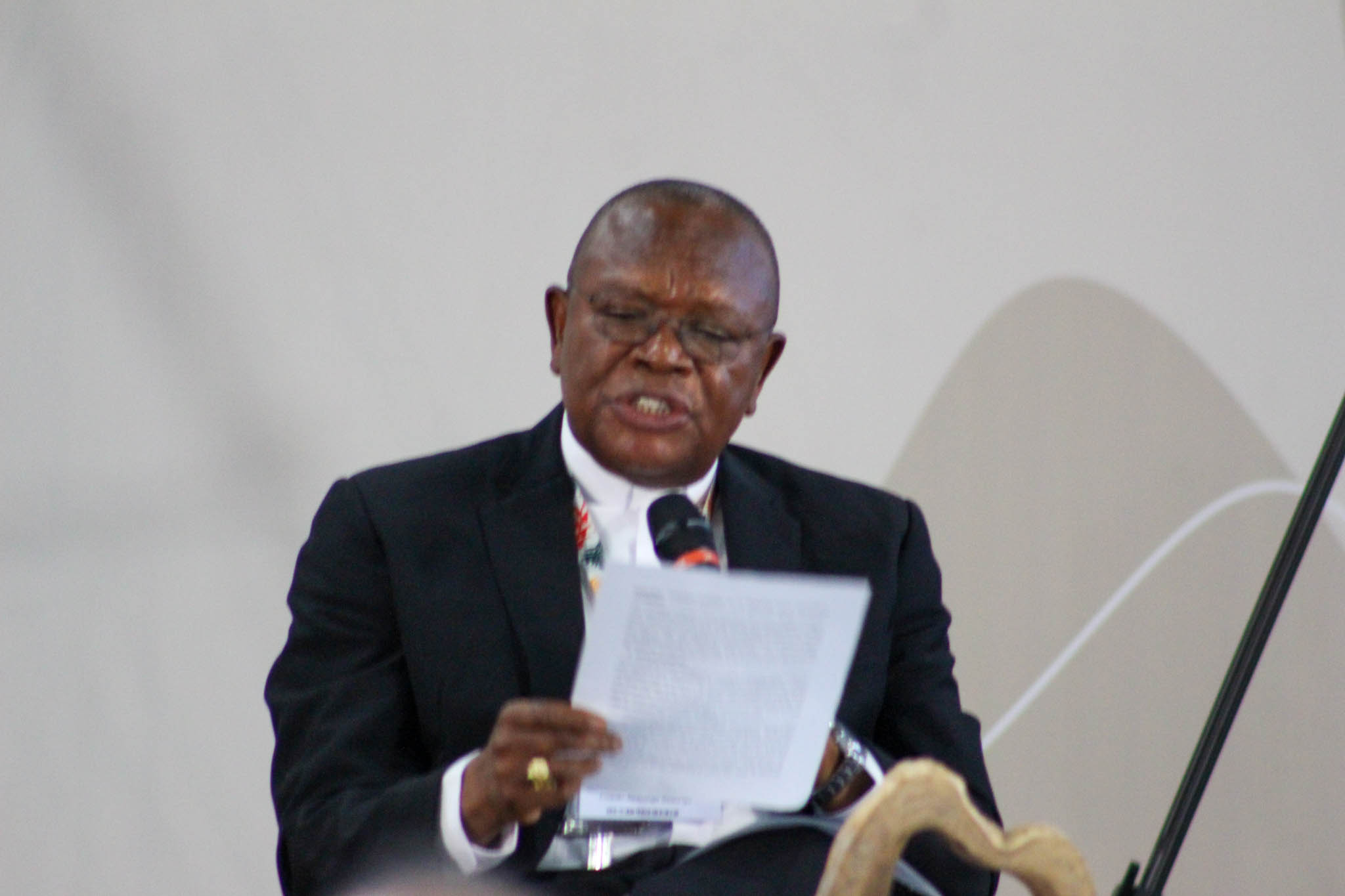
El cardenal Fridolin Ambongo Besungu, de la República Democrática del Congo, trajo entonces a la sala la angustia del continente africano. «Nuestra declaración es un grito de angustia de los pastores que caminan cada día con las víctimas de la crisis climática», declaró.
Su voz transmitía el peso del sufrimiento vivido por las comunidades a las que sirve: desiertos en expansión, conflictos en escalada, industrias extractivas que destrozan la tierra y las comunidades.
«Hoy en día, África es climáticamente frágil, atrapada entre dos desiertos —el Sáhara al norte y el Kalahari al sur— que se expanden peligrosamente y perturban las comunidades. La devastadora situación del Sahel es un ejemplo dramático. En África Central, la selva de la cuenca del Congo es uno de los pulmones del planeta. Mientras tanto, la Amazonía se encuentra ahora bajo una grave amenaza de deforestación masiva, alimentada por la fiebre de los combustibles fósiles y los minerales críticos. Estos bosques desempeñan un papel esencial en el equilibrio climático mundial; su degradación podría tener consecuencias irreversibles».
Estableció un claro paralelismo entre el Amazonas, sede de la COP30, y la cuenca del Congo: ambos son pulmones del planeta y ambos se encuentran gravemente amenazados. El saqueo de los recursos naturales y minerales —recordó— es una de las causas estructurales de los conflictos. La carrera mundial por los minerales necesarios para la transición energética, como el cobalto y el litio, está en el origen de conflictos subregionales con graves repercusiones humanitarias y medioambientales.
Una de las peticiones de Ambongo se refería a la deuda ecológica. Rechazó los enfoques tecnocráticos y los mecanismos basados en el mercado que tratan los bosques y los ecosistemas como instrumentos financieros, mientras que las comunidades siguen empobrecidas. También se refirió a la campaña del Jubileo para la cancelación de la deuda, describiéndola no como caridad, sino como «una cuestión de justicia».
«La Coalición de Iglesias del Sur Global es solo un primer paso. Hacemos un llamamiento a una coalición histórica con todas las religiones, los actores de la sociedad civil, los pueblos indígenas y los movimientos del Sur Global y del Norte Global. La propia existencia de la humanidad depende de que trabajemos juntos».
Cardenal Filipe Neri: no es un llamamiento diplomático, sino pastoral.
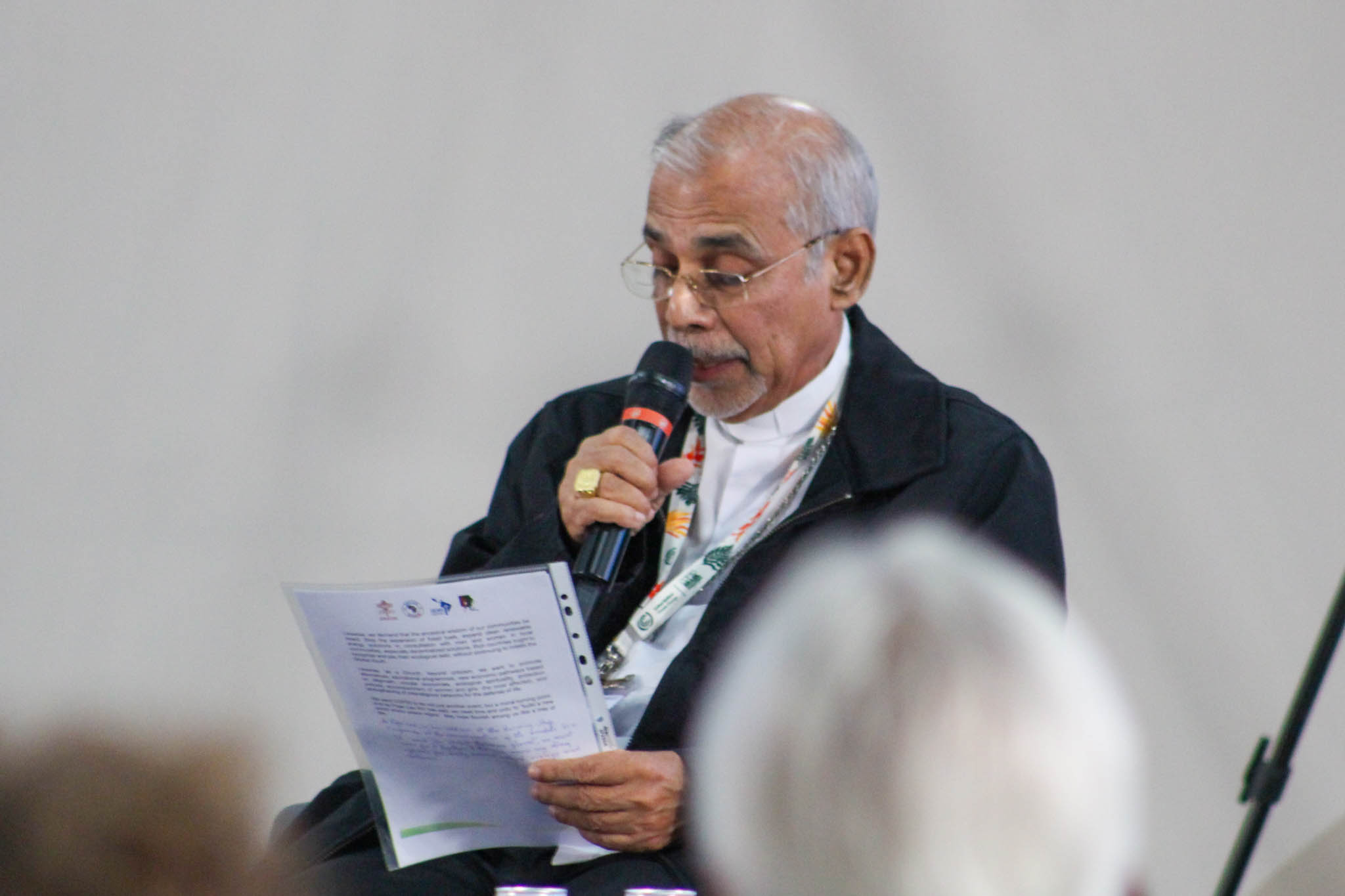
El cardenal Filipe Neri Ferrão comenzó su intervención subrayando que los cardenales no querían lanzar «un llamamiento diplomático, sino pastoral».
El documento que presentaron fue fruto de un discernimiento colectivo —en comunión sinodal— con las Iglesias del Sur Global, especialmente en África, América Latina y Asia.
Millones de personas en Asia ya están sufriendo los efectos devastadores del cambio climático: tifones, migraciones forzadas, pérdida de islas, ríos contaminados. Los negociadores tecnocráticos sobre el clima siguen centrándose en soluciones falsas, como «mega infraestructuras, proyectos de energía «limpia» que no respetan la dignidad humana y la minería extractiva bajo el pretexto de las baterías verdes».
«A la luz de estas realidades, exigimos la puesta en marcha urgente del Fondo de Pérdidas y Daños, junto con el fondo de adaptación centrado en el desarrollo de la resiliencia climática, con acceso prioritario garantizado para las comunidades afectadas. Hacemos un llamamiento a las naciones más ricas del mundo para que reconozcan y asuman su deuda social y ecológica, como responsables históricos de la extracción de recursos y las emisiones de gases de efecto invernadero.
Con un claro llamamiento a poner fin a la expansión de los combustibles fósiles y un compromiso con la energía limpia y descentralizada, el cardenal Ferrão también prometió un compromiso concreto por parte de la Iglesia, promoviendo alternativas como programas educativos, nuevas vías económicas basadas en el decrecimiento y las economías circulares, la espiritualidad ecológica, políticas de protección, apoyo a las mujeres y las niñas (que suelen ser las más vulnerables en entornos frágiles) y el fortalecimiento de las redes interreligiosas para la defensa de la vida.
«No queremos que la COP30 sea solo otro evento más, queremos que sea un punto de inflexión moral. Como dijo el papa León XIV, «habitamos el mismo planeta; debemos cuidarlo juntos». Por eso renuevo mi ferviente llamamiento a la unidad en torno a la ecología integral y a la paz», concluyó.
Convertir la deuda en esperanza
El fuerte enfoque en la deuda y la financiación climática brindó a Caritas Internationalis la oportunidad de compartir con la Presidencia de la UNFCCC la campaña «Convertir la deuda en esperanza», que pide la cancelación de la deuda injusta de los países en desarrollo, como parte de las soluciones más amplias para abordar la deuda ecológica y la justicia climática.
Por Susan Dabbous, responsable de redacción y medios de comunicación de Caritas Internationalis y fotos de Marcus Neto, coordinador de comunicación de Cáritas América Latina y el Caribe
Care of the common home and Holistic Human Development