Stories
América Latina y el Caribe
23-03-2026
"La incidencia no es opcional, es parte de nuestra misión": Cáritas LAC presenta su Guía de Incidencia Política
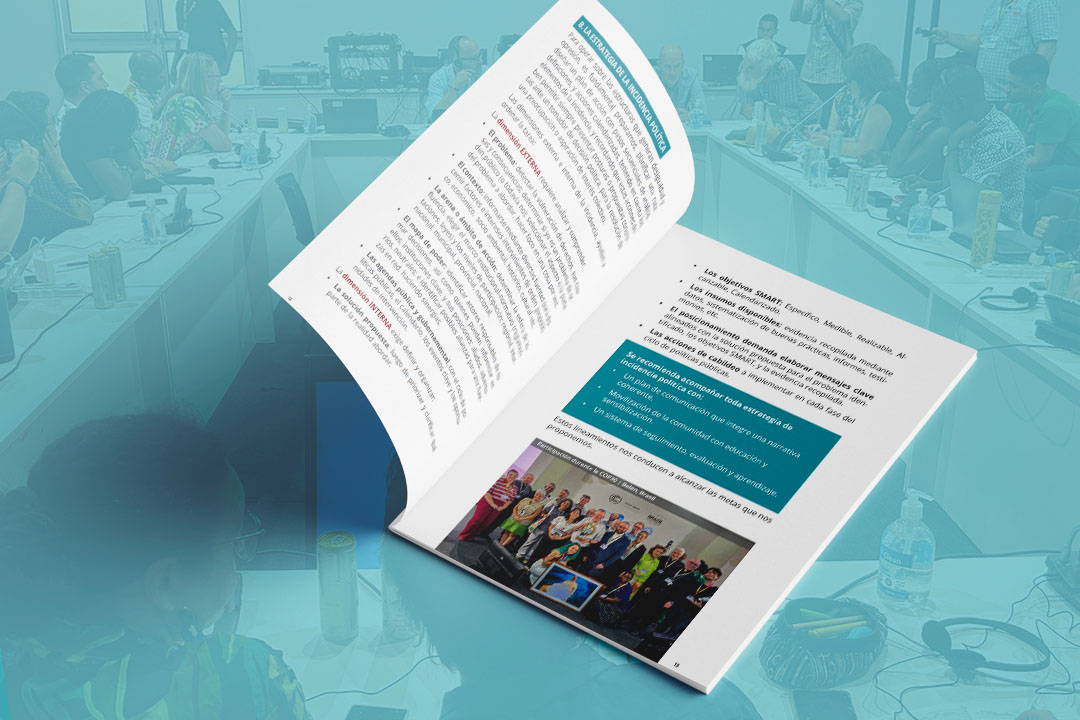
En un contexto regional marcado por profundas desigualdades, Cáritas América Latina y el Caribe, a través del Secretariado Latinoamericano y Caribeño de Cáritas (SELACC), presenta su Guía de Incidencia Política. Esta herramienta nace no como un simple manual técnico, sino como un insumo para apoyar a los agentes de las Cáritas Nacionales en su trabajo cotidiano de incidencia y con una mirada de pasar de la asistencia inmediata a la transformación real de las estructuras que generan exclusión.
Damiana Lanusse, coordinadora de incidencia de Cáritas LAC, presentó la Guía al equipo regional de Medio Ambiente, Gestión de Riesgos y Desastres (MAGRE) y Ecología Integral en el taller presencial que se llevó a cabo en Bogotá, en el mes de febrero. Lanusse destaca que esta guía responde a la "tradición profética" de la Iglesia.
La incidencia política no es un añadido opcional, sino una dimensión constitutiva de nuestra misión. Sin ella, el ejercicio de la caridad corre el riesgo de limitarse a atender consecuencias, sin transformar las causas que generan el sufrimiento.
De la teoría a la acción concreta
La Guía hace un recorrido de la incidencia política en la iglesia y una memoria agradecida de de la incidencia política en América Latina y el Caribe.
La tercera parte ofrece una metodología clara para que las Cáritas nacionales, diocesanas y parroquiales cuenten con una hoja de ruta común. El documento permite a los equipos locales:
- Analizar el contexto social y político de forma profunda.
- Identificar actores clave para el diálogo.
- Formular propuestas viables que defiendan la dignidad humana y el bien común.
Fuerza colectiva y sinodal
Según explica Lanusse, la herramienta integra los aprendizajes del diagnóstico regional realizado en 2025, asegurando que los contenidos respondan a las necesidades reales de fortalecimiento que las organizaciones manifestaron en todo el continente.
Uno de los pilares de esta guía es la incidencia multinivel, “es decir, coordinada entre los distintos niveles de la Confederación, Asimismo, subraya la importancia de caminar con espíritu sinodal en alianza con otras organizaciones y redes eclesiales; y como Iglesia en salida, fiel a la cultura del encuentro, dialogar y trabajar junto a comunidades de fe, organizaciones de la sociedad civil, academia, sector privado, entre otros actores sociales”, resalta Lanusse.
En definitiva, esta herramienta común nos ayuda a hablar con mayor fuerza colectiva, para que la voz de la Iglesia, cercana a quienes más sufren, alcance una incidencia real en los espacios donde se toman decisiones que afectan la vida de nuestros pueblos.
Así concluye Lanusse, subrayando que el fin último es que las comunidades más vulneradas dejen de ser solo destinatarias de ayuda para convertirse en protagonistas de su propio cambio.
Invitamos a todas las agentes de pastoral, organizaciones aliadas y personas comprometidas con la justicia social a conocer y descargar este material. Haz click en Descargar archivo (botón abajo).
Care of the common home and Holistic Human Development