Stories
América Latina y el Caribe
30-04-2026
La cooperación sinodal en América Latina: un llamado a sanar las causas del “empobrecimiento” y fortalecer la misión evangelizadora
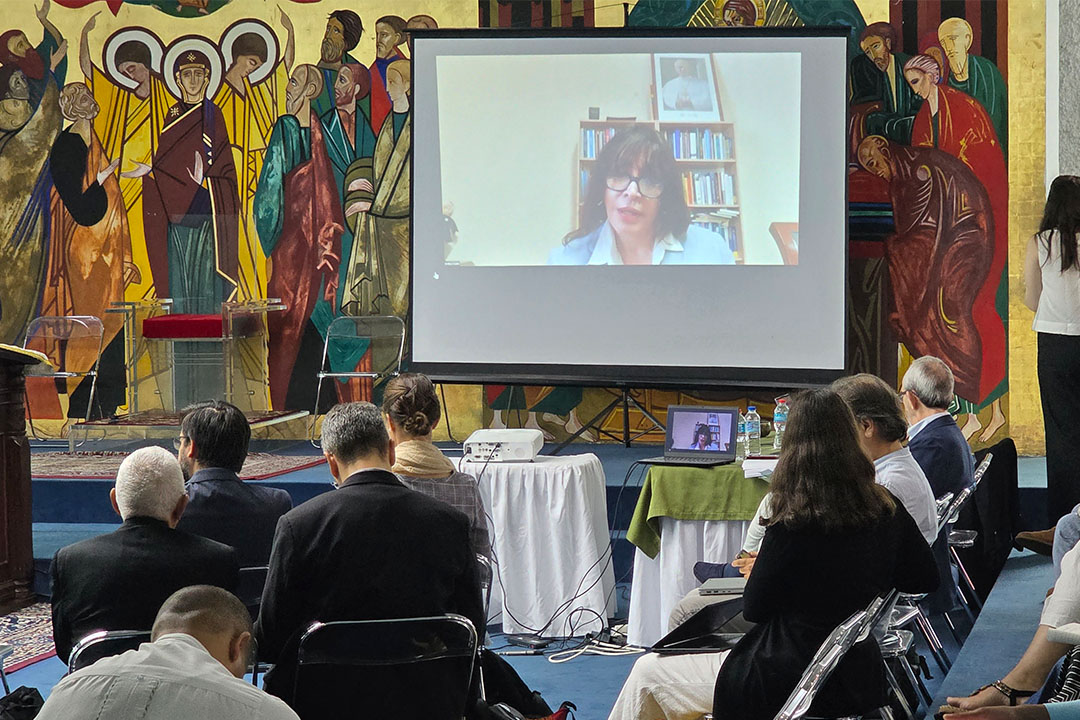
SANTO DOMINGO, República Dominicana – En el marco del IV Encuentro de Cooperación Sinodal para América Latina y el Caribe, que tiene lugar en Santo Domingo, República Dominicana, del 28 al 30 de abril de 2026, la cercanía de la Pontificia Comisión para América Latina (PCAL) y la mirada a la realidad de la zona Caribe, con el testimonio de República Dominicana y Haití.
El evento ha profundizado la necesidad de transitar de una cooperación meramente asistencialista hacia una "cooperación samaritana" que reconozca la raíz de los problemas estructurales y no pierda de vista su horizonte evangelizador.
Monseñor Iannone: la caridad como anuncio del Evangelio
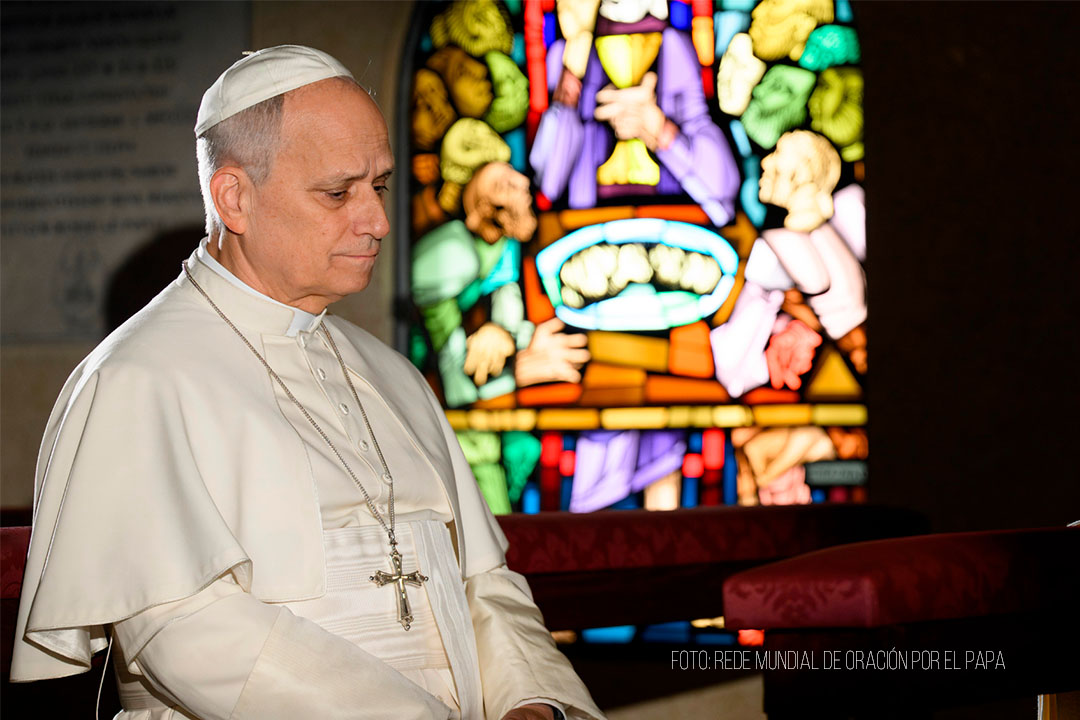
Monseñor Filippo Iannone, Prefecto del Dicasterio para los Obispos y presidente de la Pontificia Comisión para América Latina, recordó la tarea que tiene de suceder al entonces Cardenal Robert Prevost, hoy Papa León XIV, y recordó sus mensajes a este foro en los años precedentes.
Haciendo un recorrido de la experencia de América Latina, Iannone invitó a mirar el modo como San Juan Diego abrazó integralmente el evangelio a través de María como el inicio de la síntesis religiosa y cultural que caracteriza todo el continente hasta el momento presente. Igualmente mencionó a los santos que tocaron esta tierra, “el testimonio de tantos santos como San Juan Diego, como Santa Rosa de Lima, como San Martín de Porres o como San Óscar Anulfo Romero” para movernos a una profunda reflexión y ayudarnos a nuestra propia conversión.
El presidente de la PCAL recordó un mensaje del Papa León XIV al pueblo peruano en lo que menciona que “el dolor por la injusticia y la exclusión que padecen tantos hermanos nuestros nos apremia a todos los bautizados a dar una respuesta que en cuanto iglesia debe corresponder a los signos de los tiempos desde las entrañas del evangelio.”
En ese sentido, la propuesta que hace monseñor Iannone a las agencias de cooperación y a las organizaciones de América Latina y Caribe es ‘que la Iglesia está llamada a ofrecer sobre Dios, Padre, Hijo y Espíritu Santo, la armonía del amor que sale de sí misma para ofrecerse al mundo, caminando en estilo sinodal y saliendo al encuentro dentro de todos para llevar la alegría del evangelio”.
Emilce Cuda: “No somos un continente pobre, somos un continente empobrecido”
Emilce Cuda, secretaria de la PCAL, ofreció un análisis a los presentes a partir del trabajo que hace desde la iniciativa Construyendo Puentes, con los distintos agentes en su misión de ocuparnse de la vida y el desarrollo de las iglesias particulares de América Latina en un trabajo colaborativo con otros dicasterios. Según Cuda, la crisis actual no es una fatalidad, sino el resultado de un ciclo extractivista que drena las riquezas del continente.
Con una lectura de la realidad según el método de la filosofía y de la teología latinoamericana, Cuda afirma que “América Latina es un continente con muchas riquezas, por lo tanto no es un continente pobre, pero sí es un continente empobrecido”. El extractivismo convierte nuestros bienes naturales en renta que se fuga como divisas y regresa como deuda pública impagable, recortando los presupuestos de salud y educación.
La teóloga argentina mencionó que la fiebre es un síntoma y no la causa. Por lo tanto, invocó a las agencias a que no solo atiendan el síntoma. “Yo invoco y pido a las agencias de colaboración internacional que no sólo atiendan el síntoma, sino también que se disponga de recursos para poder trabajar sobre las causas. ¿De qué manera? En la manera en que nos está pidiendo reiteradamente el santo padre León XIV, que es mediante el diálogo, construyendo puentes para el diálogo. Y para eso más se necesita buena voluntad que dinero, como todos sabemos.”, afirmó Cuda.
La Secretaria de la PCAL vinculó directamente este modelo con el aumento de los suicidios por falta de futuro, la migración forzada y la desesperanza juvenil, urgiendo a las agencias a "construir puentes" que permitan una verdadera participación en la cadena de valor global.
República Dominicana y Haití: crecimiento con rostro humano y sinodal
Al aterrizar estas reflexiones en la realidad local, República Dominicana y Haití, dos de los países del Caribe que comparten el territorio de la Isla Hispaniola, presentaron de la realidad, especialmente el trabajo que desarrolla las cáritas nacionales.
El director nacional de Cáritas República Dominicana, Juan Manuel Díaz Parrondo presentó las prioridades estratégicas de la organización y las areas de actuación en las 12 diócesis y más de 700 parroquias de país.
El testimonio de la delegación de Haití, de Winter y Lumarque, conmovió a los participantes al describir una crisis multidimensional marcada por la violencia de las pandillas y la fragilidad del Estado. En este contexto, Cáritas Haití se erige como una de las pocas instituciones que permanece en el territorio, enfocando sus esfuerzos en la formación juvenil y la vivienda para evitar que los jóvenes sean reclutados por el crimen organizado.
Uno de los puntos más destacados fue la colaboración transfronteriza efectiva entre las diócesis de ambos países. A pesar de las tensiones políticas externas, las Iglesias de República Dominicana y Haití mantienen puentes de solidaridad permanentes.
.jpg)
.jpg)
.jpg)
.jpg)
Identity and spirituality