Stories
América Latina y el Caribe
15-06-2026
Envejecer con dignidad: compromiso de todos
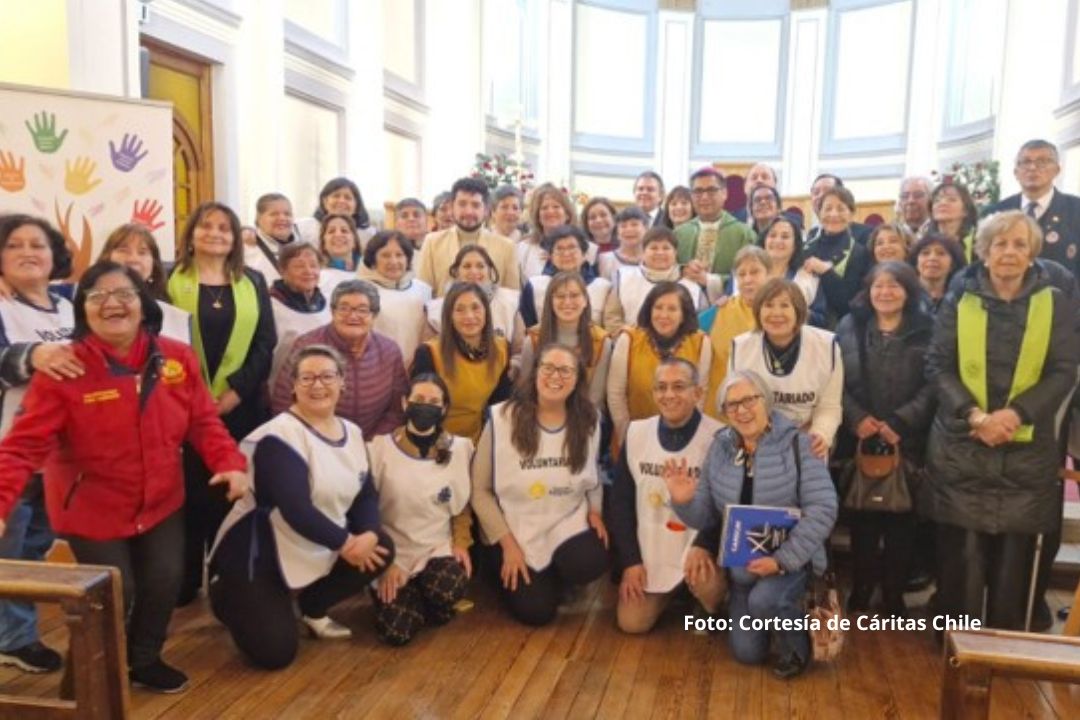
Cada 15 de junio se conmemora el Día Mundial de Toma de Conciencia del Abuso y Maltrato en la Vejez, una fecha que convoca a la sociedad, a los Estados y a las comunidades de fe a reflexionar y actuar frente a una realidad dolorosa y muchas veces invisible. La sensibilización sobre el maltrato hacia las personas mayores en América Latina y el Caribe es una responsabilidad compartida para ortalecer el compromiso contra el edadismo, reconociendo y resguardando la dignidad y el respeto de las personas mayores.
Una violación silenciosa de los derechos humanos
Para comprender la magnitud de esta problemática, es importante comprender lo que se entiende por el maltrato a la persona mayor. Según la Organización Mundial de la Salud (OMS),“el maltrato a una persona de edad consiste en un acto o varios actos repetidos que le causan daño o sufrimiento, o también la no adopción de medidas apropiadas para evitar otros daños, cuando se tiene con dicha persona una relación de confianza. Este tipo de violencia constituye una violación de los derechos humanos y puede manifestarse en forma de maltrato físico, sexual, psicológico o emocional; maltrato por razones económicas o materiales; abandono; desatención; y del menoscabo grave de la dignidad y el respeto.”
Las estadísticas globales y regionales encienden las alarmas: “Cada año, una de cada seis personas de 60 años o más sufre algún tipo de maltrato”. Asimismo, los expertos advierten que “se prevé que el maltrato a las personas mayores aumente, dado el rápido envejecimiento de la población de 60 años o más”. Esta tendencia es particularmente apremiante en nuestra región, donde “se calcula que la cantidad de personas mayores en América Latina y el Caribe se duplicará en 2030 y representará el 16.7% de la población”, según estimaciones de la CEPAL.
Los tipos del maltrato
Desde una perspectiva gerontológica, se han definido 6 diferentes tipos de maltrato contra las personas mayores que la sociedad debe aprender a identificar y denunciar:
- Maltrato físico: Acto no accidental que provoca daño corporal o deterioro físico.
- Maltrato psicológico: Actos verbales o no verbales que generen angustia, desvalorización o sufrimiento.
- Abuso sexual: Cualquier contacto sexual no consentido.
- Abandono: Descuido u omisión en la realización de determinadas atenciones o desamparo de una persona que depende de otra por la cual se tiene alguna obligación legal o moral. Es una de las formas más extremas del maltrato y puede ser intencionada o no.
- Explotación financiera: Uso ilegal de los fondos, la propiedad o los recursos de la persona adulta mayor.
- Maltrato estructural: Se manifiesta en la falta de políticas sociales y de salud adecuadas, la inexistencia, el mal ejercicio y el incumplimiento de las leyes; la presencia de normas sociales, comunitarias y culturales que desvalorizan la imagen de la persona mayor y que resultan en su prejuicio y se expresan socialmente como discriminación, marginalidad y exclusión social.
La respuesta pastoral: Protagonistas y pilares de la sociedad
Frente a este escenario, el Equipo de Personas Mayores de Cáritas América Latina y el Caribe propone un cambio profundo de mentalidad. “Reconocemos que las Personas Mayores son Protagonistas de derechos y pilares fundamentales de la sociedad, de nuestras comunidades, de nuestra Iglesia y nuestras familias”.
A través de su equipo pastoral, Cáritas expresa un firme rechazo a la estigmatización: “Combatimos la invisibilización, el 'viejismo' y el 'edadismo'. Reconocemos que ante el desafío de vivir en la 'Cultura del Descarte'… la escucha activa, la presencia y el acompañamiento constante son herramientas eficaces para evitar el aislamiento social de personas mayores”. Desde la experiencia en territorio, se enfatiza: “Combatimos el aislamiento social porque es el escenario donde más suele ocurrir el maltrato”.
Hacia la revolución del cuidado
Alineados con el magisterio social de la Iglesia, el equipo de Personas Mayores de Cáritas América Latina y el Caribe retoma el llamado del Papa León XIV en el mensaje para la V Jornada Mundial de los Abuelos y de los Ancianos (27 de julio de 2025), “a ser protagonista de la “revolución” de la gratitud y del cuidado, y esto ha de realizarse visitando frecuentemente a los ancianos, creando para ellos y con ellos redes de apoyo y de oración, entretejiendo relaciones que puedan dar esperanza y dignidad al que se siente olvidado”.
Identity and spirituality