Stories
América Latina y el Caribe
04-09-2025
Encuentro Regional en Brasilia refuerza el compromiso de Cáritas con la Salvaguardia y la Cultura del Buen Trato
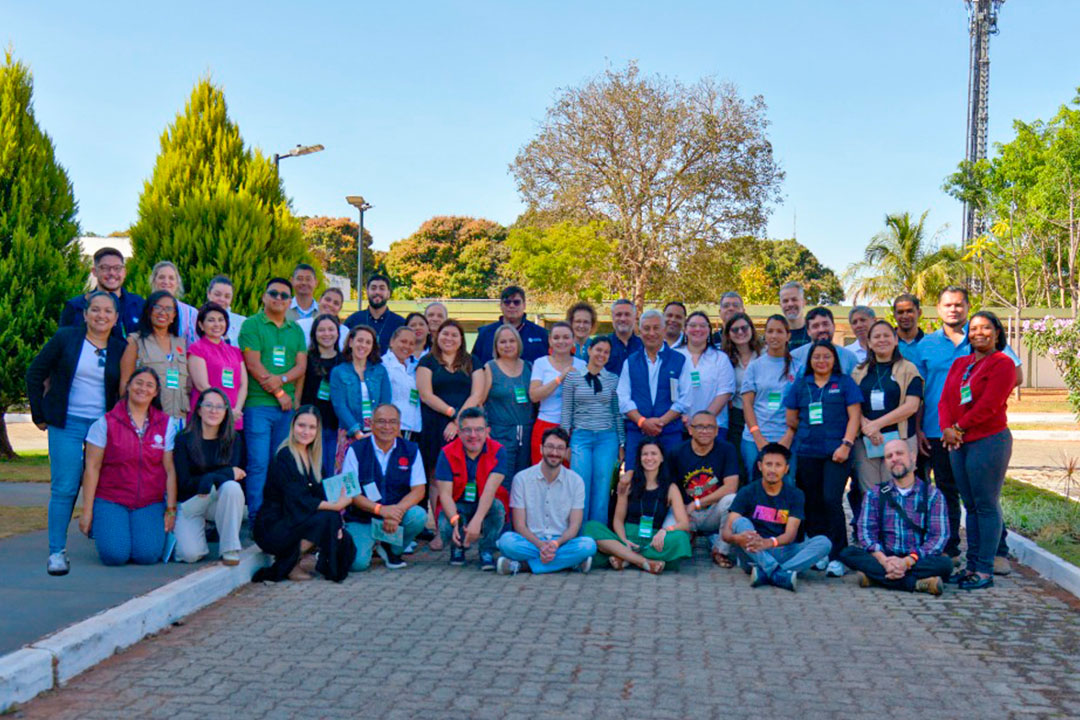
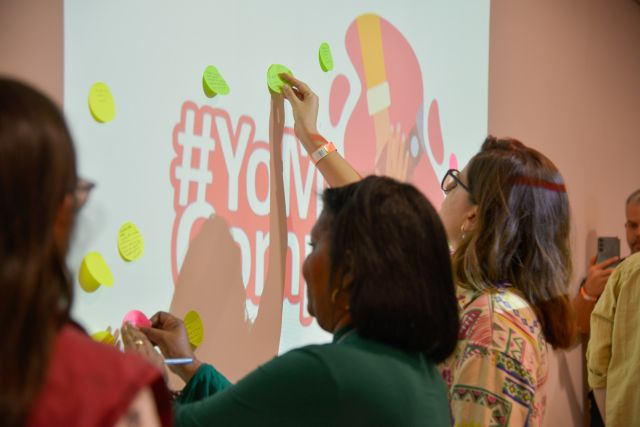
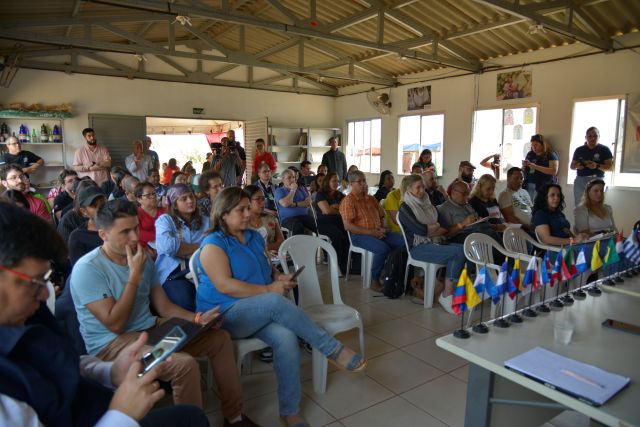
Del 18 al 22 de agosto, se llevó a cabo en Brasilia un encuentro regional que reunió a representantes de Cáritas América Latina y el Caribe en un espacio de formación, reflexión y espiritualidad, enmarcado en la estrategia regional de salvaguardia y cultura del buen trato y en la campaña #YoMeComprometo. Estuvieron presentes miembros de los equipos de Comunicaciones y Medios de Vida y Seguridad Alimentaria (MVSA).
El encuentro contó con la presencia de representantes de 17 Cáritas nacionales de la región (Argentina, Bolivia, Brasil, Venezuela, Colombia, Cuba, Chile, Ecuador, El Salvador, Guatemala, Honduras, México, Panamá, Paraguay, Perú, República Dominicana y Uruguay), junto con el equipo del Secretariado Regional de Cáritas LAC.
La salvaguardia como pilar de la misión
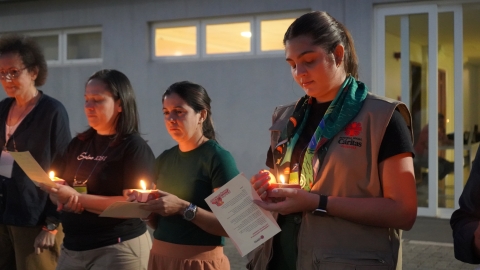
Durante cuatro días, los participantes compartieron momentos de oración, talleres prácticos y espacios de diálogo que permitieron integrar la espiritualidad con la misión de salvaguardar, recordando que esta no es solo un protocolo, sino una forma de vivir la caridad en comunidad. Con símbolos sencillos como agua y velas, se renovó el llamado a ser sembradores de cuidado, tejiendo confianza y compromiso desde cada rol.
El encuentro incluyó sesiones sobre la actuación en situaciones de crisis de salvaguardia, el rol de los comités y los puntos focales, la comunicación ética en escenarios sensibles, así como la importancia de contar con protocolos claros y canales seguros de denuncia. Además, se abordaron los avances regionales en los Estándares de Gestión de Cáritas Internationalis (EGCI), destacando que 19 de las 21 Cáritas nacionales ya se encuentran en la etapa de Planes de mejora, lo que refleja un proceso sólido de fortalecimiento institucional.
Una visión compartida: comunicación y desarrollo humano
Las agendas combinadas permitieron también profundizar en temas de comunicación, incidencia territorial y propuestas conjuntas de campañas regionales, generando un aprendizaje compartido que refuerza la identidad de red. El intercambio entre equipos nacionales mostró cómo la salvaguardia, la gestión transparente y la misión social de Cáritas convergen en un camino común hacia una Iglesia más segura, coherente y protectora.
Este encuentro fue posible gracias al apoyo de aliados estratégicos como Porticus y la Pontificia Comisión para la Protección de Menores, quienes acompañan y respaldan este proceso convencidos de que la salvaguardia y la cultura del buen trato son pilares irrenunciables de la misión eclesial.
Al concluir, las y los participantes reafirmaron con fuerza su compromiso colectivo diciendo juntos: #YoMeComprometo, como signo vivo de una Iglesia que protege, cuida y dignifica la vida, y que en América Latina y el Caribe avanza con decisión en la construcción de una cultura de salvaguardia y buen trato.
Transformar las deudas en esperanza
Gabriela Blanco, de Cáritas Argentina y referente regional para Medios de Vida y Seguridad Alimentaria (MVSA), comenta la agenda específica de su equipo resalta la participación de quince Cáritas nacionales bajo el lema “Transformar las deudas en esperanza”.
Fue un espacio para fortalecer capacidades en salvaguardia, incidencia política y promoción de una economía justa orientada al desarrollo humano integral, además de compartir experiencias nacionales sobre cómo nuestros programas enfrentan las deudas ecológicas, sociales y económicas, donde se visibilizaron respuestas comunitarias como la agroecología y la economía popular y solidaria.
Gabriela también destaca que la participación y organización de Cáritas LAC en el V Congreso Latinoamericano y Caribeño de la Economía de Francisco, realizado el 21 y el 22 de agosto, consolidó nuestra voz, mientras que los compromisos asumidos hacia la COP30 proyectan al equipo MVSA como un actor en la construcción de una economía justa y solidaria para América Latina y el Caribe.
La comunicación como un puente
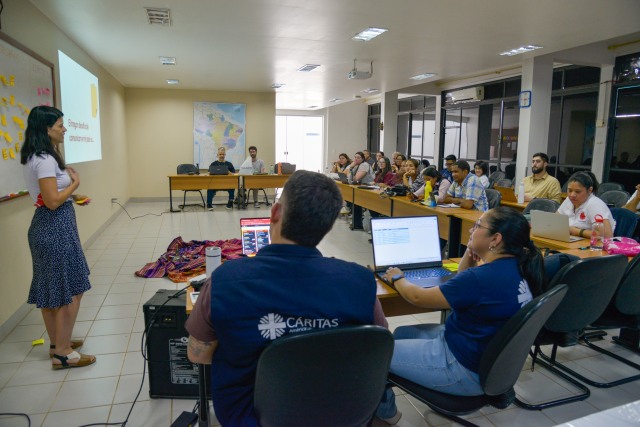
Por otro lado, María Eva Lobo, de Cáritas Venezuela y referente regional para Comunicación, enfatizó la dinámica inicial de las actividades específicas del equipo. “Comenzamos con un ejercicio de reconocimiento, donde cada participante pudo verse no sólo como un profesional de la comunicación, sino como un ser humano con sus propios intereses, inquietudes y una vida en común, que se integra y hace parte de la familia Cáritas.” Esta actividad fue crucial especialmente porque contaba con casi la mitad de nuevos comunicadores incorporados al equipo.
“Este espacio muestra que la comunicación en Cáritas es más que una herramienta; es un puente que une, educa y moviliza, siempre desde el corazón y con un profundo sentido de pertenencia a una misión común", subrayó Lobo.
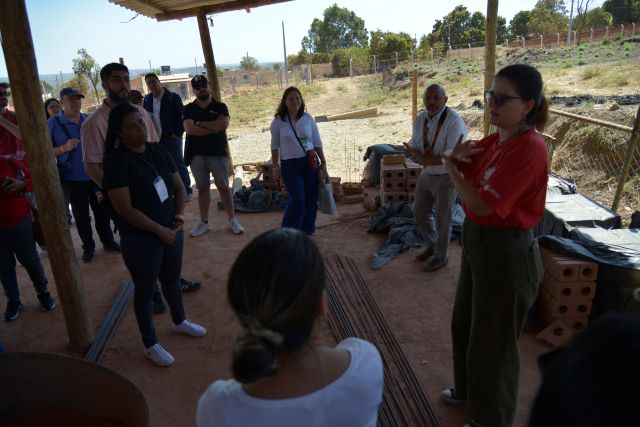
Un momento particularmente significativo fue la experiencia de acercamiento al territorio, donde los participantes pudieron compartir de primera mano con las comunidades. Esta vivencia no solo reforzó el compromiso de los comunicadores con la misión de Cáritas, sino que también fue el marco del lanzamiento del V Congreso de Economía de Francisco, en vistas de promover una economía más justa y sostenible, inspirada en los valores de la Iglesia Universal.
(Fotos: Álvaro López - Cáritas Bolívia; Paul Lamiña - Cáritas Ecuador; Tatiana Melo - Cáritas Colombia)
Care of the common home and Holistic Human Development,
Identity and spirituality