Stories
América Latina y el Caribe
16-05-2024
Encuentro del equipo y Jornada de Observación en Panamá contribuyen a reforzar la democracia en el continente
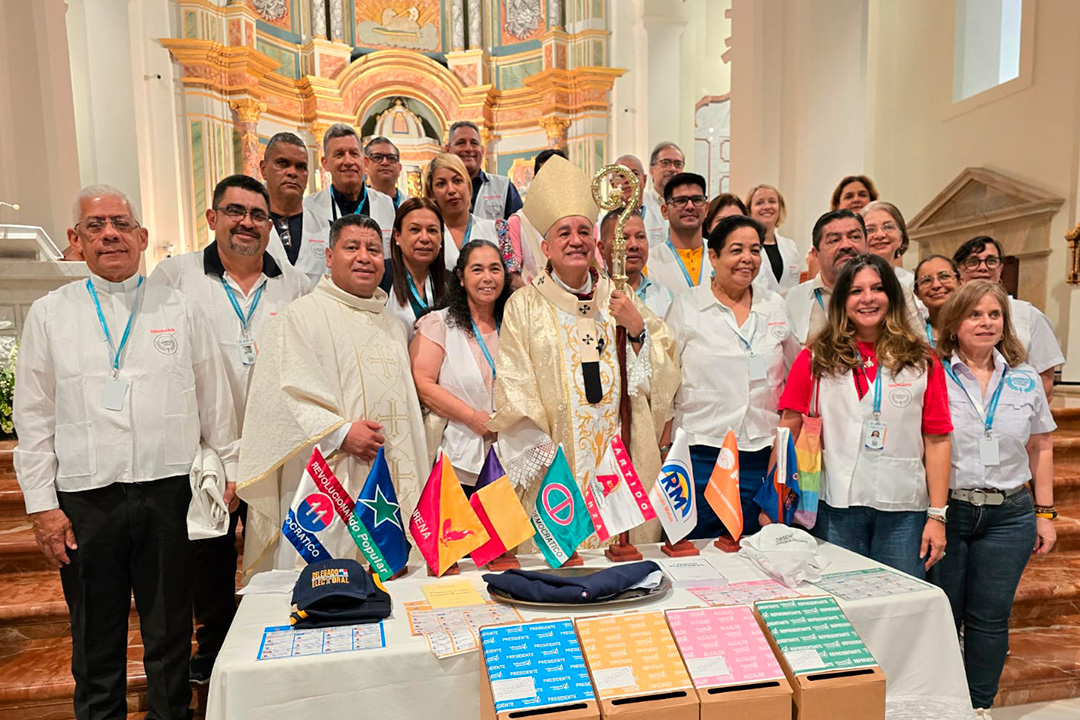
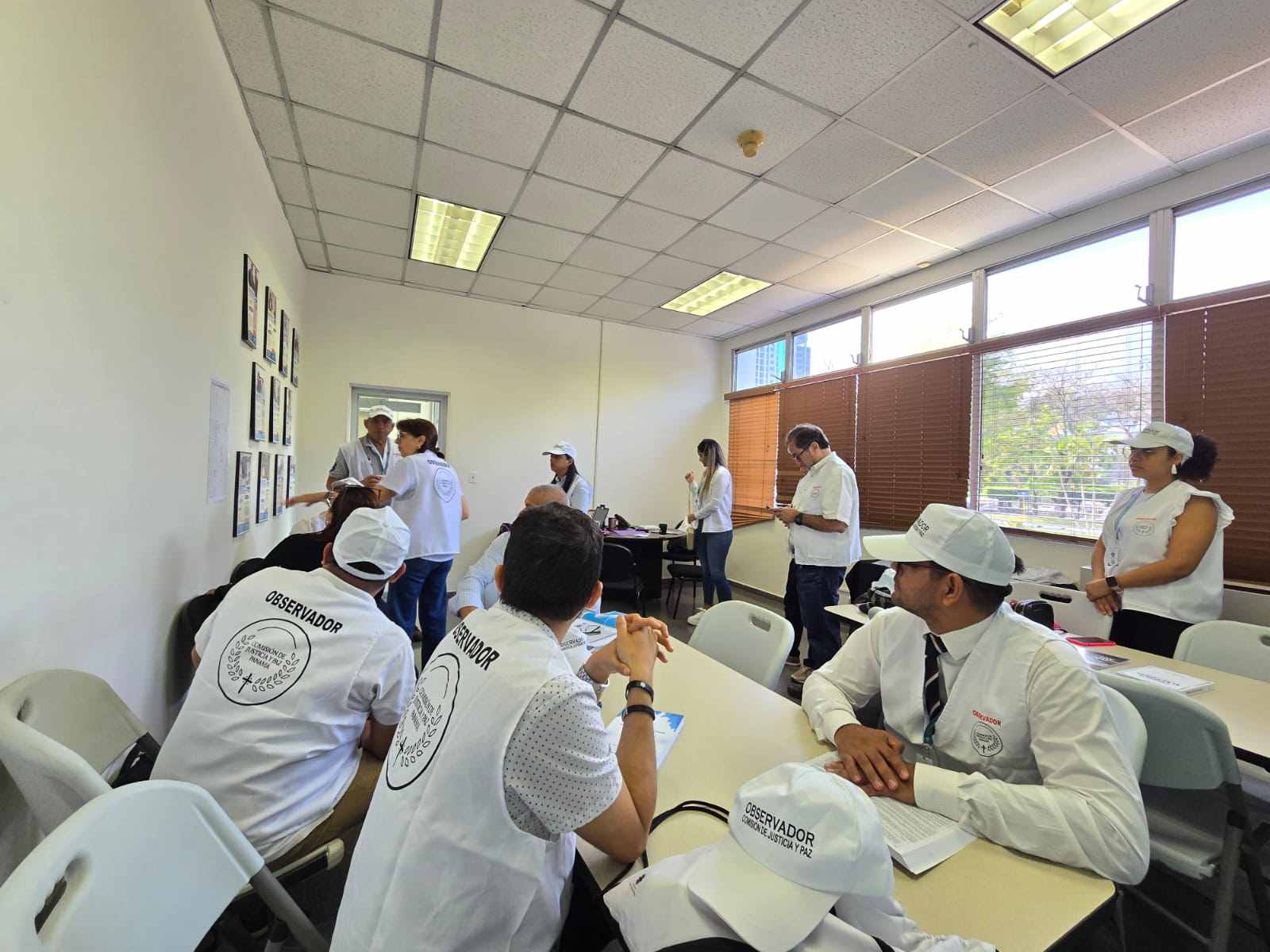
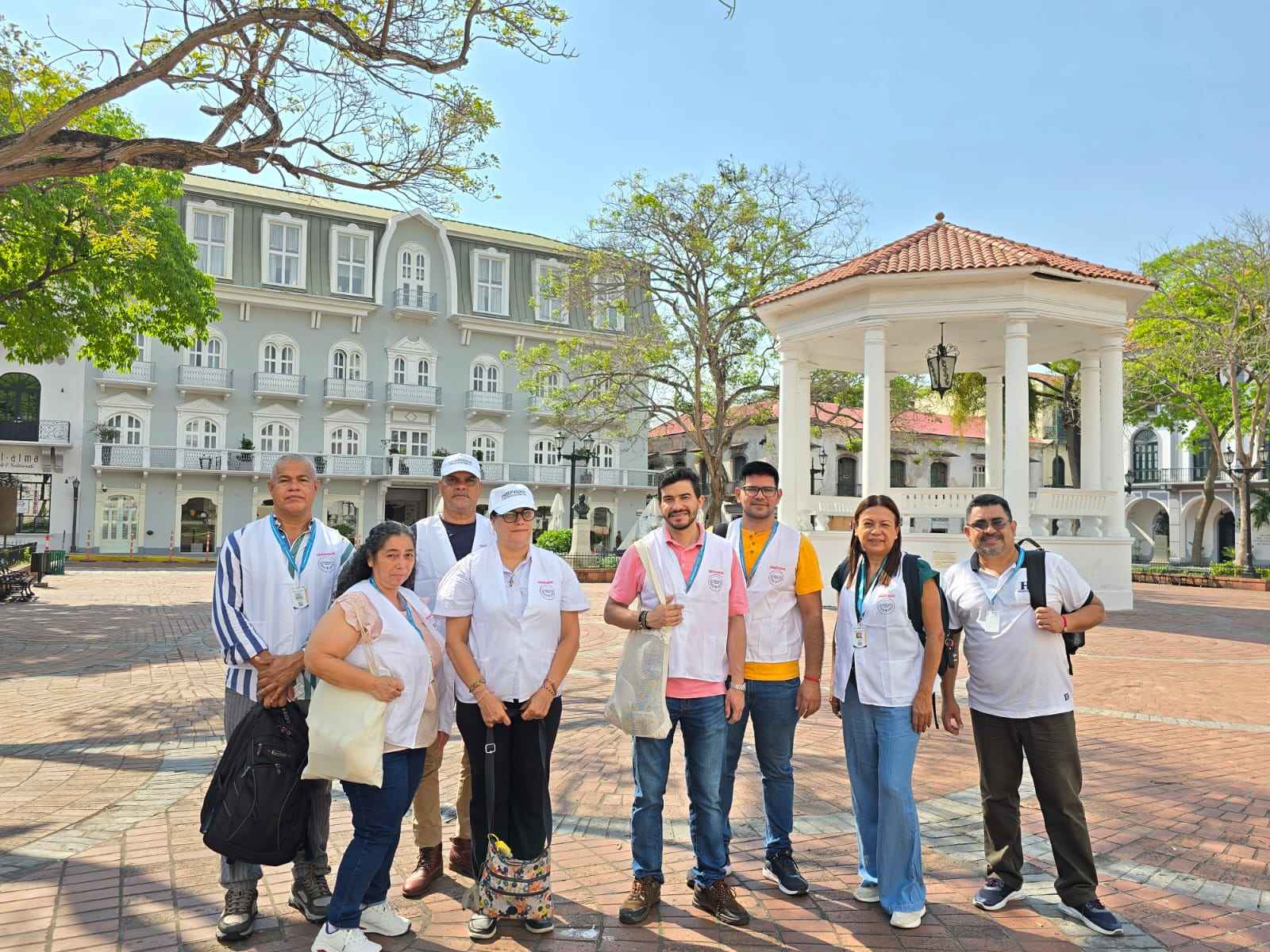
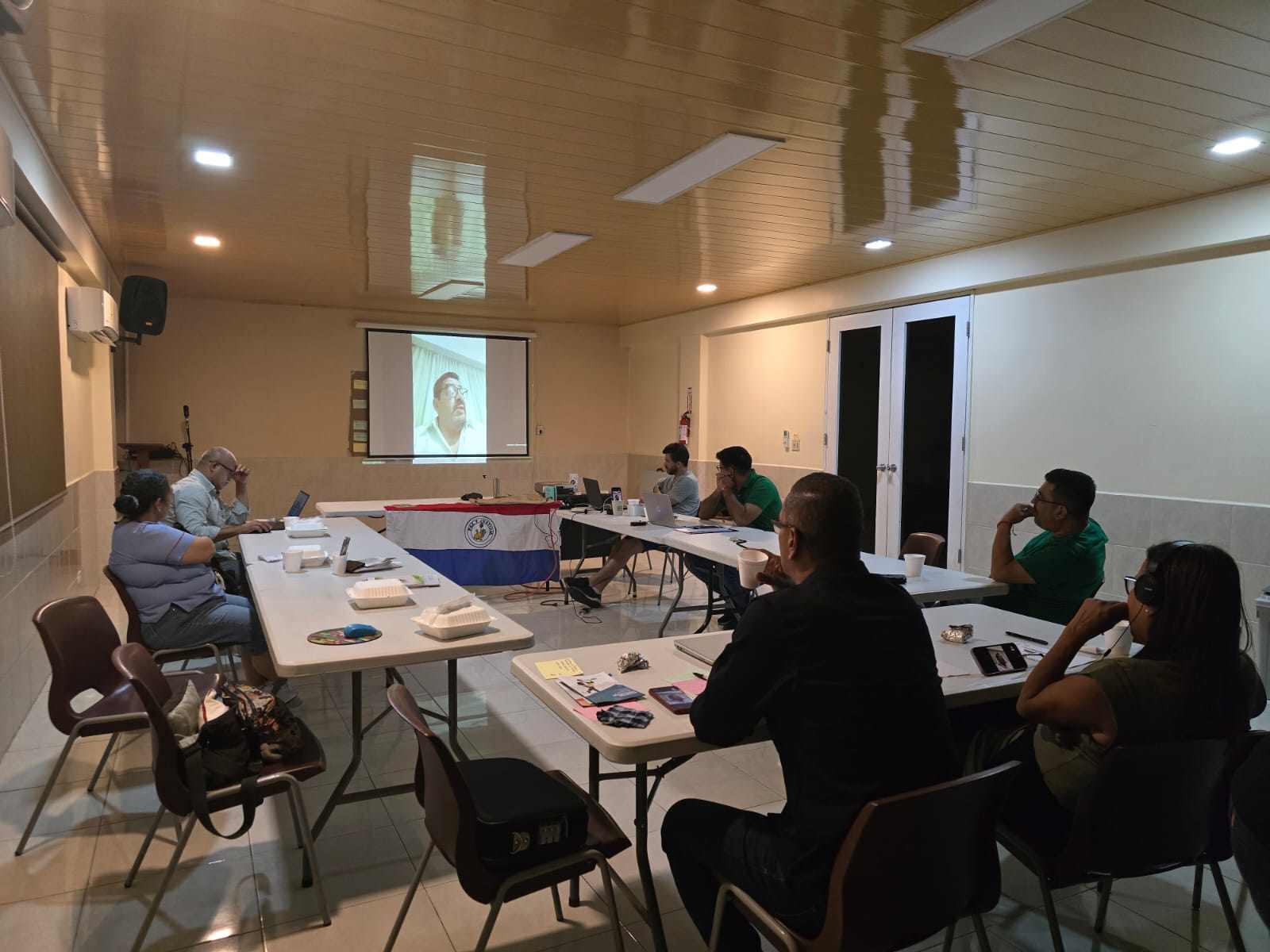
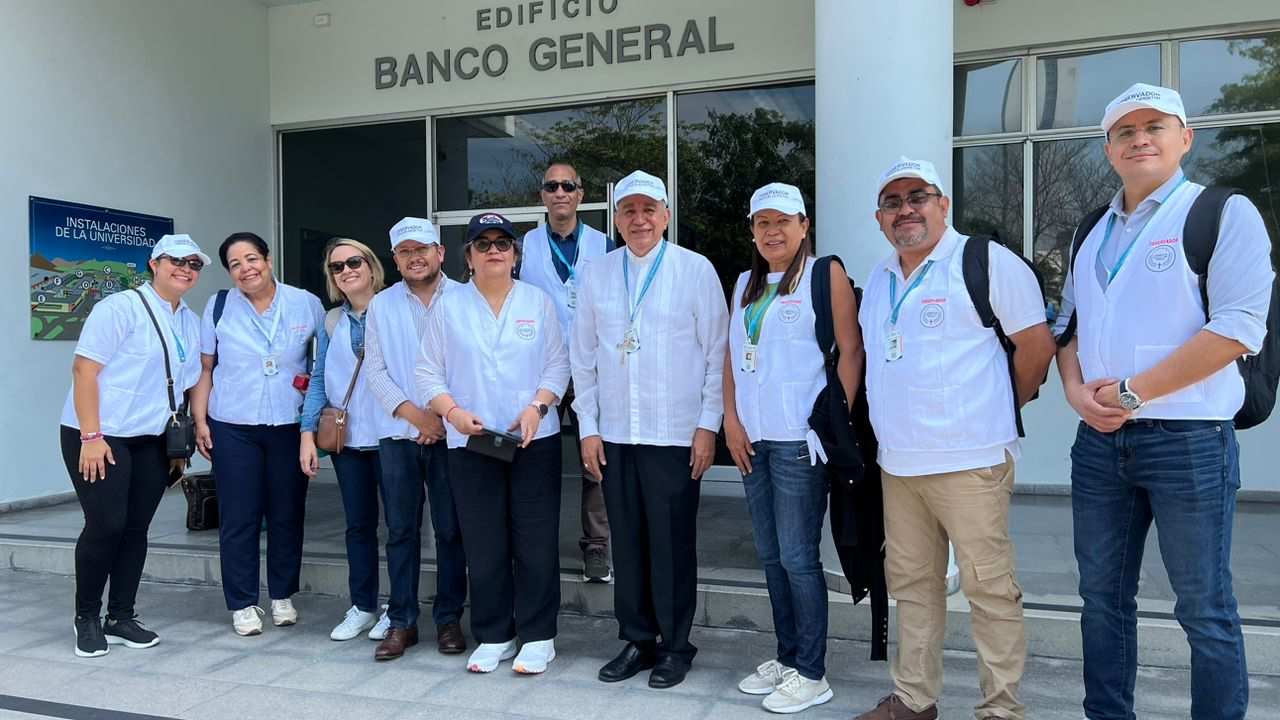
Del 1 al 6 de mayo, la ciudad de Panamá fue la sede de la primera reunión presencial del equipo regional de Democracia, Ciudadanía, Derechos Humanos y Construcción de la Paz, que integra Cáritas América Latina y el Caribe. Este encuentro se desarrolló en el contexto del proceso electoral que tuvo lugar en el país el pasado 5 de mayo.
La reunión marcó un hito significativo para Cáritas América Latina y el Caribe, ya que sirvió como observador electoral en el mencionado proceso de elección del nuevo mandatario de Panamá, José Raúl Mulino, tras ganar las elecciones presidenciales con casi el 35% de los votos. Los observadores participantes provinieron de Paraguay, Venezuela, Colombia, Costa Rica, El Salvador, México, Honduras y el país anfitrión.
Integración, planificación y aprendizaje
La coordinación del equipo subraya que para este encuentro esperaba lograr, en primer lugar, la confirmación y validación de la planeación para los próximos cuatro años y de las metas que se quieran alcanzar en este período.
En segundo lugar, quiso realizar un intercambio de experiencias basado en las experiencias significativas que tiene cada una de las Cáritas Nacionales, con el fin también de priorizar algunas de las temáticas que se quieren abordar en este equipo de trabajo y cómo poder avanzar hacia unas acciones significativas, tal como fue la jornada de observación electoral con la Comisión de Justicia y Paz y con Cáritas Panamá.
En tercer lugar, el equipo cree que se logró hacer una apropiación y un aprendizaje acerca de la experiencia que se transfirió desde la Comisión de Justicia y Paz y desde Cáritas Panamá como un ejercicio de aprendizaje de puesta en práctica de una metodología para el fortalecimiento de las respectivas cáritas nacionales. Cáritas Panamá y la Comisión de Justicia y Paz del país son una de las entidades de Iglesia más avanzadas en este tema de observación electoral.
Para Iván Camilo, durante el encuentro se pudo compartir diversas experiencias de las Cáritas Nacionales en América Latina dirigidas hacia el fortalecimiento de la democracia y de la ciudadanía. “En este sentido, no necesariamente debemos limitar nuestras experiencias en la dimensión de la democracia hacia la observación electoral, sino también diversificarlas en el acompañamiento, la formación y el empoderamiento de la ciudadanía para un ejercicio democrático consciente, participativo y bien informado.”
Animar el compromiso social de la Iglesia
Sobre la jornada de observación electoral propiamente, la directora de Cáritas Panamá y directora de la Comisión de Justicia y Paz en Panamá, Maribel Jaén, dice que una de las grandes lecciones para la Iglesia de Panamá y la Cáritas de Panamá es que, primeramente, el tema de la democracia en América Latina y en Panamá, en particular, debe preocupar a todos.
Las democracias formales que se han desarrollado en nuestros países no han resuelto las grandes necesidades de las poblaciones y la gente está demandando una nueva gobernabilidad con mayor equidad social y justicia social, subrayó.
La directora también afirma que es muy importante tener claro que el ámbito de la política es un lugar privilegiado también para evangelizar. “Hay mucho que hacer desde nuestras parroquias, de nuestras capillas y desde nuestras Iglesias y conferencias episcopales en la construcción de un modelo político, económico y social con justicia y que permita el desarrollo humano integral.”
Aliado a estos dos puntos, Maribel evalúa que es fundamental animar al compromiso social de los laicos para pasar de una Iglesia que está solamente en los templos a una Iglesia que sea coherente, que haga coherencia entre fe y vida y que tenga como guía el Evangelio, el trabajo al estilo de Jesús, partiendo de la gente, de su realidad, haciéndolo en equipo, en redes, haciendo comunidad, haciendo una opción preferencial por los pobres, guiados por el amor de Dios y a nuestros hermanos.
El equipo regional de Democracia destaca que la experiencia en Panamá va a ayudar en los procesos electorales que se van a desarrollar en América Latina, pero la metodología de observación electoral va a depender mucho del contexto electoral de cada uno de los países. El entendimiento es que la metodología puede colaborar o facilitar el reconocimiento de la Iglesia como un actor imparcial y de confianza en un escenario electoral, pero no necesariamente en todos los países se va a recibir de la misma manera.
Sin embargo, hablar de observación electoral también debe llevarnos, como equipo y como Cáritas, hacia cuáles podrían ser las diferentes metodologías de acompañamiento para que la Iglesia y las Cáritas Nacionales puedan también favorecer el ejercicio democrático y la participación ciudadana, siendo corresponsable de la transformación de la sociedad.
Democracy, human rights and peace building