Stories
América Latina y el Caribe
22-06-2026
Día Mundial del Refugiado 2026: «Hasta que cada persona esté a salvo»
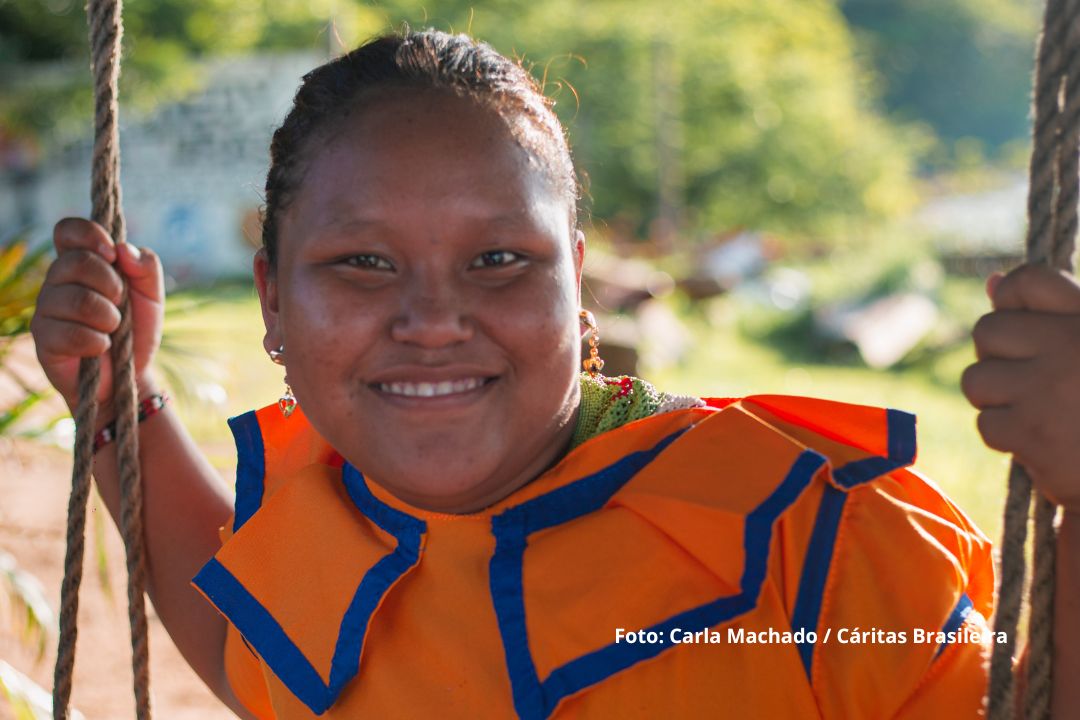
Con motivo del Día Mundial del Refugiados, en 20 de junio, Caritas Internationalis se suma al llamamiento mundial para renovar la protección de los millones de personas obligadas a huir de sus hogares, al tiempo que el mundo conmemora el 75.º aniversario de la Convención sobre el Estatuto de los Refugiados de 1951.
Adoptada tras dos devastadoras guerras mundiales, la Convención surgió de la determinación de no volver a abandonar jamás a quienes huyen de la persecución y la violencia.
Setenta y cinco años después, su relevancia nunca ha sido más evidente. Según la Organización de la ONU para los Refugiados (ACNUR), a finales de 2025 había 117,8 millones de personas desplazadas forzosamente en todo el mundo, lo que supone aproximadamente una de cada setenta personas del planeta.
El lema de las Naciones Unidas para este año, «Hasta que cada persona esté a salvo», nos recuerda que la seguridad no es un privilegio reservado a pocos, sino un derecho fundamental: el derecho a la vida y a una vida digna. Mientras haya personas que se vean obligadas a huir de los conflictos, el cambio climático o la persecución, nuestra responsabilidad compartida seguirá vigente.
Una promesa fundacional amenazada
La Convención de 1951 transmite un mensaje universal: una persona obligada a buscar refugio más allá de sus fronteras, no pierde sus derechos, ni su dignidad. Afirma que los refugiados deben poder vivir en seguridad, acceder a la educación, trabajar, participar en la vida comunitaria y mirar al futuro con esperanza.
Estos fundamentos se ven sometidos a una presión cada vez mayor. En los últimos años, los Estados han sido testigos de una preocupante tendencia al cierre de fronteras, políticas de disuasión y externalización de los métodos de asilo. En muchos contextos, el principio de no devolución —la garantía fundamental de que nadie debe ser devuelto a una situación de peligro— se está viendo erosionado, lo que deja a las personas que ya se encuentran en situaciones vulnerables expuestas a un riesgo aún mayor.
Las crisis que provocan los desplazamientos y la fortaleza de quienes huyen
La crisis actual de desplazamientos viene determinada por una serie de emergencias graves y prolongadas. Las cifras oficiales revelan que unos siete de cada diez refugiados proceden de tan solo un puñado de países: Venezuela, los territorios palestinos ocupados, Ucrania, Siria, Afganistán, Sudán y Sudán del Sur.
Sudán sigue siendo, además, la mayor crisis de desplazamiento interno del mundo, con más de nueve millones de personas desarraigadas dentro del país. A ello hay que sumar ahora el rápido empeoramiento de la situación de desplazamiento en el Líbano e Irán, donde la reciente escalada de violencia ha obligado a más de un millón de personas a abandonar sus hogares.
Las organizaciones miembros de Caritas están presentes en muchos de estos contextos, trabajando junto a las iglesias y comunidades locales para ofrecer refugio, alimentos, protección y una presencia atenta a las personas que lo han perdido todo.
Con demasiada frecuencia se habla de los refugiados únicamente como víctimas. Sin embargo, sus viajes son también recorridos de resiliencia, ingenio y esperanza.
Con motivo del Día Mundial del Refugiado, Víctor Genina, responsable de Desarrollo Humano Integral de Caritas Internationalis, declaró:
Cada persona desplazada lleva consigo una historia de pérdida, pero también de extraordinaria resiliencia. Nuestra fe nos llama a ver en ellas no una carga, sino a un hermano o una hermana. Recordemos que incluso Jesús comenzó su vida como refugiado en Egipto.
La solidaridad no es caridad a distancia; es el reconocimiento de que ninguno de nosotros está a salvo, hasta que todos lo estén. Exhortamos a los gobiernos a que respeten la letra y el espíritu de la Convención sobre los Refugiados.
Llamamiento de Caritas Internationalis a la acción
Con motivo del Día Mundial del Refugiado, Caritas Internationalis hace un llamamiento a:
• a los Estados, para que respeten sus obligaciones en virtud de la Convención de 1951 y las traduzcan en políticas concretas de protección, no de disuasión;
• a la comunidad internacional, para que garantice una financiación adecuada y previsible para las operaciones humanitarias de apoyo a las personas desplazadas y a sus comunidades de acogida;
• a las comunidades religiosas y a la sociedad civil, para que sigan tendiendo puentes de acogida, inclusión, dignidad y esperanza, promoviendo sociedades en las que los refugiados puedan reconstruir sus vidas con seguridad y contribuir a sus comunidades de acogida.
«La solidaridad es el reconocimiento concreto de que el destino de cada uno está ligado al destino de todos». —Papa León XIV, Magnifica Humanitas (párrafo 73)
Mientras haya personas obligadas a huir, nuestra responsabilidad colectiva seguirá vigente. Es en la solidaridad, la esperanza y el reconocimiento de nuestra humanidad compartida donde seguimos defendiendo la Convención sobre el Estatuto de los Refugiados de 1951, especialmente en su 75.º aniversario.
Susan Dabbous, Oficina de Prensa de Cáritas Internacionalis
Human mobility