Stories
América Latina y el Caribe
25-11-2023
Día Internacional de la No Violencia contra la Mujer
“Podemos cambiarlo”
“TODAVIA QUEDA MUCHO POR HACER EN BASTANTES PARTES DEL MUNDO Y EN DIVERSOS AMBITOS PARA DESTRUIR AQUELLA INJUSTA Y DEMOLEDORA MENTALIDAD QUE CONSIDERA AL SER HUMANO COMO UNA COSA, COMO UN OBJETO DE COMPRAVENTA, COMO UN INSTRUMENTO … “. “SOLO EL ABIERTO RECONOCIMIENTO DE LA DIGNIDAD PERSONAL DE LA MUJER Y EL HOMBRE CONSTITUYE EL PRIMER PASO A REALIZAR PARA PROMOVER SU PLENA PARTICIPACIÓN TANTO EN LA VIDA ECLESIAL COMO EN AQUELLA SOCIAL Y PÚBLICA”
(CHRISTIFIDELI LAICI 24)
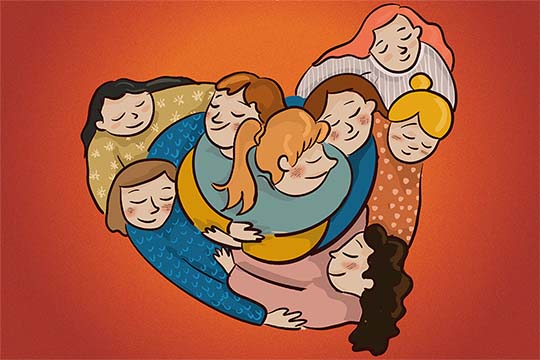
La violencia en sus diferentes manifestaciones es un tema que nos atraviesa a todas y todos. Tanto los hombres como las mujeres suelen ser objeto y sujeto de violencia, aunque la situación de subordinación social de la mujer favorece que ésta se transforme, con mucha mayor frecuencia, en las destinatarias de violencias estructurales y coyunturales.
Escuchar y pensar sobre las violencias ejercidas contra las mujeres (de distinto sector social, edad, religión, etnia, etc.) produce malestares, estremecimientos, estupor, indignación. Podemos enterarnos de la violencia cuando invade el ámbito público mediante la crónica policial o cuando se impone como espectáculo en los medios gráficos o televisivos. En estos se establece una norma de visibilidad de los hechos violentos, considerados como “cotidianos” o “naturales”, en la que se entrecruzan lo público –la violencia como realidad que padecen las personas- y lo privado –la intimidad de las personas violentadas-. La narración –escrita, radial y televisiva- la vuelve ostentosa, casi obscena cuando promueve una hipertrofia del escuchar y del ver, una tendencia voyerista de fascinación de quienes asisten “pasivamente” a las violencias padecidas y ejercidas.
El auge de las redes sociales y los medios masivos de información, cambian de lugar a la violencia y la introduce en las vidas de quienes la miran o la escuchan como un hecho más. Así, domesticada y convertida en objeto que se puede tolerar y consumir, la violencia queda neutralizada, anulándose, en muchas personas, su carga negativa y la censura. O se recurre a mecanismos de evitación y rechazo (bloquear, cambiar de emisora o de canal) como forma de eludir el malestar que provoca ver y escuchar hechos violentos.
La resistencia a conocer o escuchar sobre las violencias es un mecanismo defensivo que se utiliza cuando no se tolera el displacer. Se niega o disimula una realidad incómoda y amenazante que dificultará el reconocimiento de ciertos comportamientos como violencia y la asunción de una actitud crítica frente a los mismos. La evitación y el rechazo se manifiesta por sensaciones de incomodidad y de ataque a la intimidad, posturas corporales defensivas, expresiones verbales encubridoras o silencios cómplices. Un hecho violento –golpes, violación, abuso- genera diversos tipos de expresiones tanto en la comunidad como en la víctima y en el agresor.
La comunidad ¿Qué suele decir?
-“Eso le pasa a ciertas mujeres”
-“No es para tanto”
-“De eso no se puede hablar, no nos tenemos que meter en eso”
-“No tienen vergüenza ni pudor, no vamos a meternos en problemas ajenos”
-“Y… algo habrá hecho… por algo habrá sido”
- “A esos degenerados hay que matarlos”
-“Las mujeres tienen que denunciar lo que les pasó para que se sepa cómo son las cosas y evitar que se repitan”
Por su parte, la victima suele decir:
-“¿Por qué a mí?
-“Nunca voy a poder contarlo”
-“A lo mejor me lo merezco”
-“Yo siento miedo de provocar, ¿Cómo tengo que vestirme para salir a la calle?”.
-“Ustedes no saben lo que es esto, no podre olvidarme”
-“Yo no lo provoque ni quise que esto me pasara”
-“Necesito que me crean y que me ayuden”
Y el agresor suele expresar:
-“Los hombres somos así”
-“Y… ¿para que provoca?
- “Se la estaba buscando”
-“A las mujeres les gusta”
-“Yo lo hago por su propio bien”
-“A ella le viene muy bien que yo le haga entender como deben ser las cosas”
-“Cuando una mujer dice no, lo que quiere decir es si”
-“Las mujeres son fantasiosas, exageradas y también mentirosas”
-“Bueno… ¡se me fue la mano! ¡Pero hace de todo un drama!
Estas expresiones de protagonistas y testigos de hechos violentos van desde la aparente indiferencia, las explicaciones rápidas, las justificaciones, los deseos de venganza y las posturas reivindicatorias hasta la crítica y la censura directas. Los mitos y estereotipos que expresan estas ideas conforman el imaginario social acerca de los hechos de violencia contra las mujeres
Este imaginario responde a la dinámica de complejos procesos sociales que, en forma de ideologías, privilegian determinados valores, opacando o postergando otros, proponiendo o defendiendo distintas éticas que se autodefinen como únicas y las mejores. Este imaginario social actúa sobre el imaginario personal, transformando la ideología que lo promueve en pensamientos y acciones inmutables y excluidas de todo cuestionamiento. Estas creencias persisten a través del tiempo, se reproducen por consenso social y perpetuán una eficacia simbólica que opera como la verdad misma. La consecuencia es que se minimizan o se niegan los hechos de violencia considerándolos “normales” o “habituales”, se desmienten las experiencias de las mujeres y se desvía la responsabilidad de los agresores. Pero, cuando la presencia inobjetable del hecho no permite poner en marcha esos mecanismos de rechazo y evitación, ya no se puede permanecer en una posición neutral: el conflicto planteado entre el agresor y la víctima quiere olvidar, pero no puede y demanda compromiso y censura por lo ocurrido. El atacante convoca a no hablar y pide complicidad y que se olvide lo sucedido. Por su parte, la comunidad toda desea olvidar lo displacentero y generalmente lo consigue, aunque las formas de olvido supongan la reiteración del espectáculo o la existencia de la violencia, como si conocer y actuar sobre la violencia fuera tan peligroso como la violencia misma.
La consecuencia esperable será descontextualizar a las personas violentadas considerándolas singularidades aisladas que deben permanecer en el secreto y silencio. Un silencio que, por un lado, ejerce la sociedad y, por otro, las víctimas, desmintiendo los mecanismos sociales de producción y reproducción de violencias cotidianas.
Pero también existen otras formas de conectarse con el tema que no son ni la visualidad ostentosa ni la negación ni el rechazo. Plantearse la necesidad de un saber comprometido y responsable permitirá elaborar diversos modos de acercamiento y apoyo a las personas agredidas para impedir su exclusión psicológica y social.
EQUIPO DE TRABAJO DE EQUIDAD HOMBRES Y MUJERES
SECRETARIADO LATINOAMERICANO Y DEL CARIBE DE CARITAS
SELACC
Democracy, human rights and peace building