Stories
América Latina y el Caribe
19-03-2026
Conoce el informe de estrategia, resultados y resonancias de la participación de Cáritas en la COP30
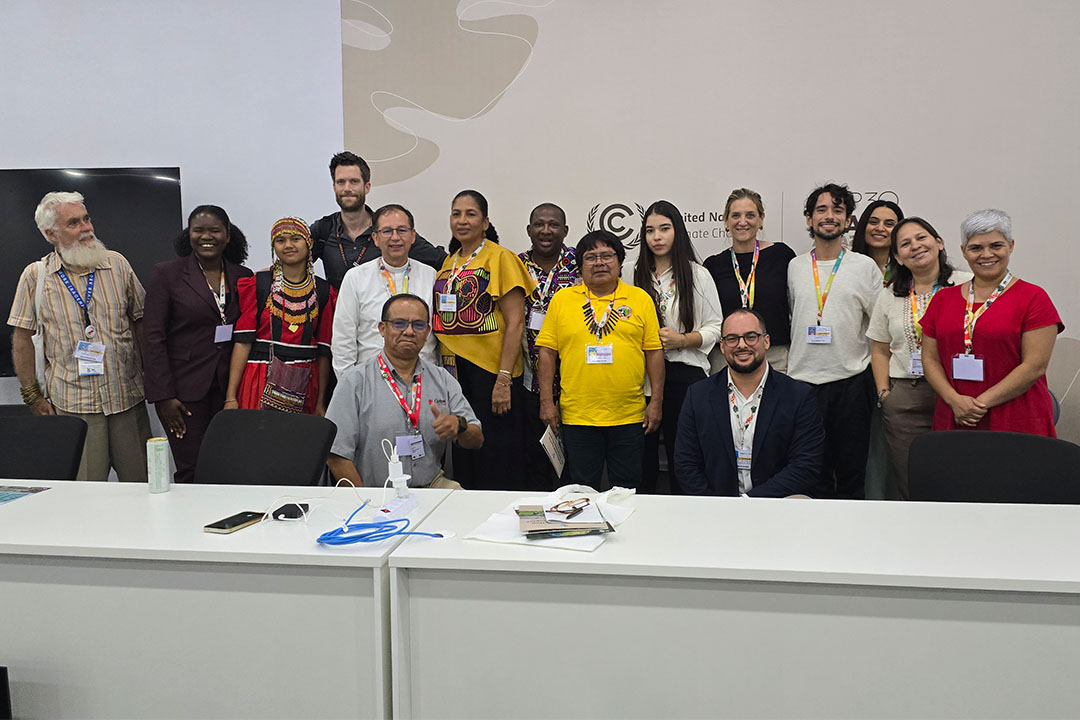
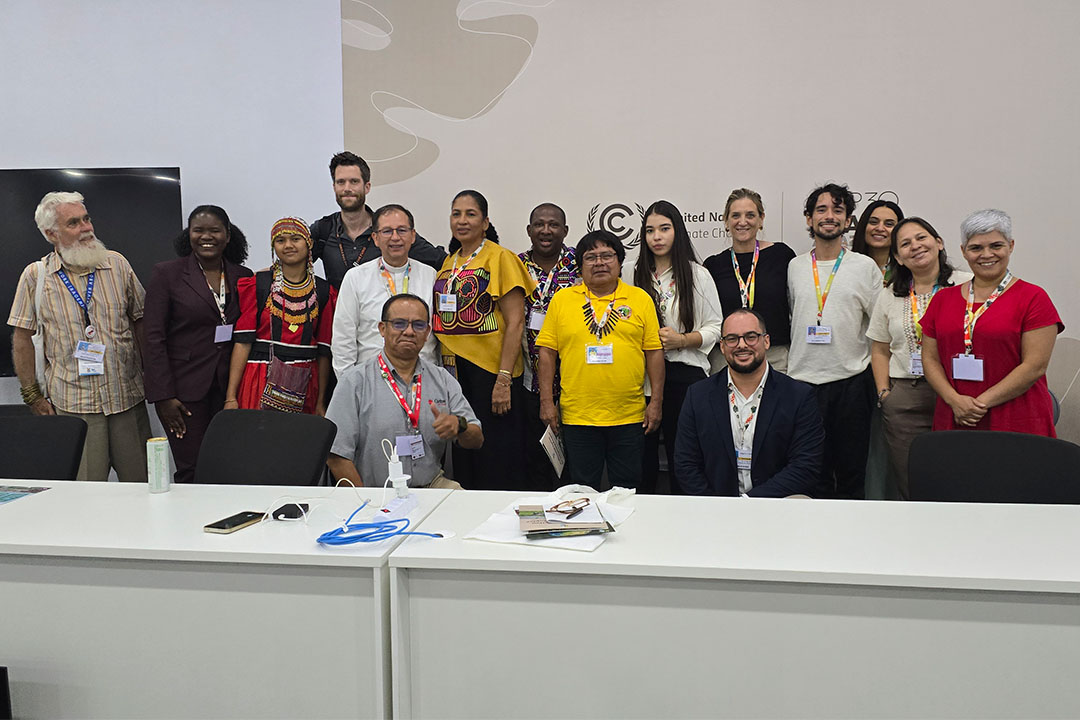
El Secretariado Latinoamericano y Caribeño de Cáritas (SELACC) presenta su Informe de Estrategia, Resultados y Resonancias de la participación de Cáritas LAC en la COP 30, celebrada en Belém do Pará, Brasil, entre 10 y 21 de noviembre de 2025. Este documento sistematiza un proceso de 15 meses de preparación, desde el último trimestre de 2024, que fortaleció la participación de Cáritas a la voz eclesial unificada del Sur Global frente a la crisis socioambiental. Este camino se recorrió bajo el liderazgo de Cáritas Internationalis y con el apoyo destacado de Catholic Agency for Overseas Development (CAFOD).
La delegación de Cáritas LAC, integrada por representantes de Brasil, Chile, Colombia, Paraguay y Perú, participó activamente en la "Zona Azul" y en espacios de la sociedad civil, trabajando en estrecha comunión con el CELAM y la Santa Sede. Durante la cumbre, se priorizaron ejes políticos fundamentales como:
- Pérdidas y Daños: Exigiendo la operacionalización equitativa del fondo correspondiente.
- Financiación Climática: Basada en la justicia histórica y el reconocimiento de la deuda ecológica.
- Adaptación: Promoviendo procesos participativos que respondan a las realidades territoriales.
Resultados y desafíos pendientes
A pesar del fortalecimiento institucional y la visibilidad alcanzada, el informe expresa una mirada crítica sobre los resultados globales de la conferencia, con enfoque en la participación de Cáritas, que evidenció diversos obstáculos: la complejidad técnica y el ritmo acelerado de las negociaciones; la sobrecarga operativa derivada de la articulación de múltiples agendas; y las limitaciones financieras, que condicionan la amplitud y diversidad de la representación regional.
Cáritas señala que la COP30 no logró convertirse plenamente en la "COP de la implementación", advirtiendo una brecha ética entre las negociaciones internacionales y las urgencias de los territorios que sufren degradación natural y desplazamientos forzados. Sin embargo, con la mirada puesta en las próximas Conferencias de las Partes, será clave robustecer la preparación y la coordinación para participar de manera más efectiva en estos espacios.
Por lo tanto, esto implica profundizar la formación técnica para comprender y aportar en debates especializados; afinar la capacidad de lectura política en escenarios multilaterales cada vez más complejos; mejorar la planificación anticipada y los mecanismos internos de cohesión institucional entre las Cáritas Nacionales y las Conferencias Episcopales; y ampliar las alianzas con la Santa Sede, otras organizaciones eclesiales, grupos de fe y actores de la sociedad civil.
¿Quieres conocer el impacto completo de esta misión?Accede al informe completo. Haz click en Decargar archivo (botón abajo).
Care of the common home and Holistic Human Development