Stories
América Latina y el Caribe
23-06-2026
Cáritas y aliados ofrecen formación para una gestión justa de la tierra en América Latina y el Caribe
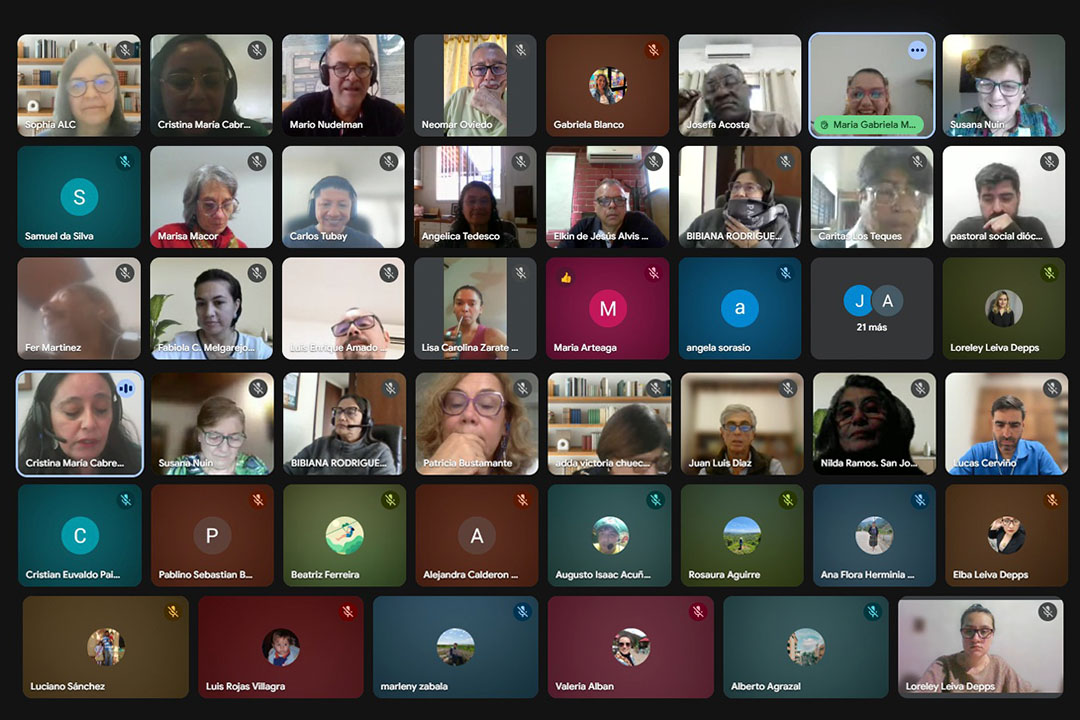
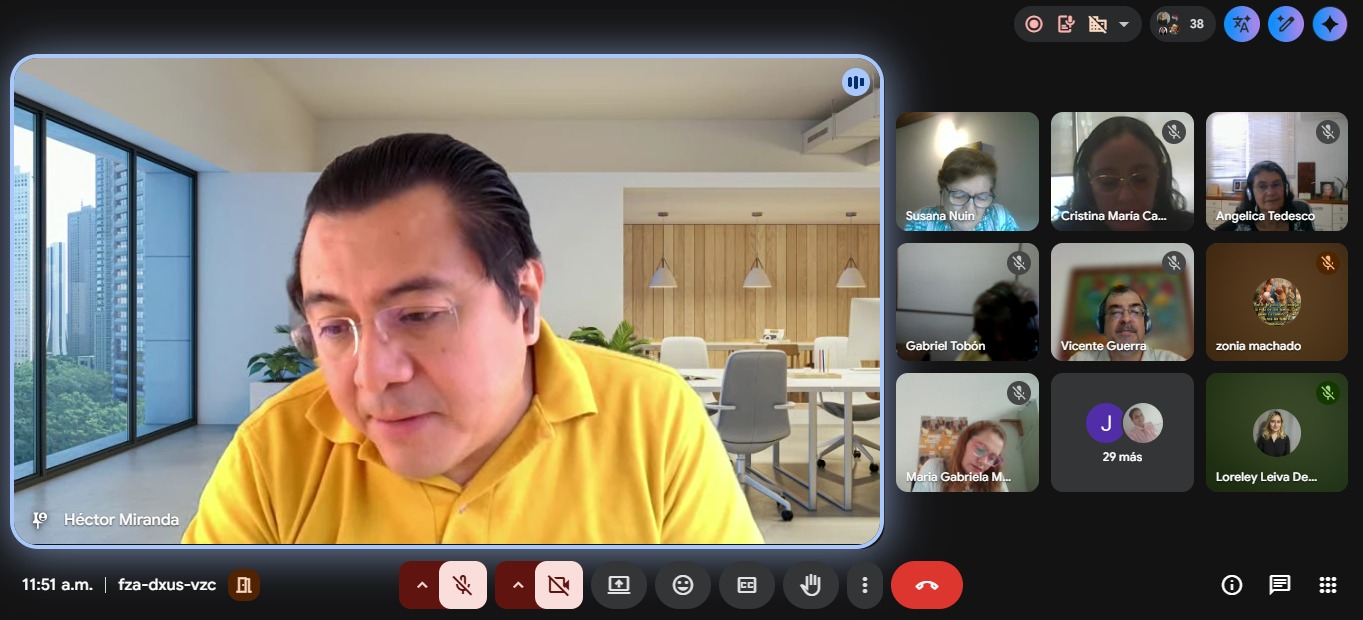
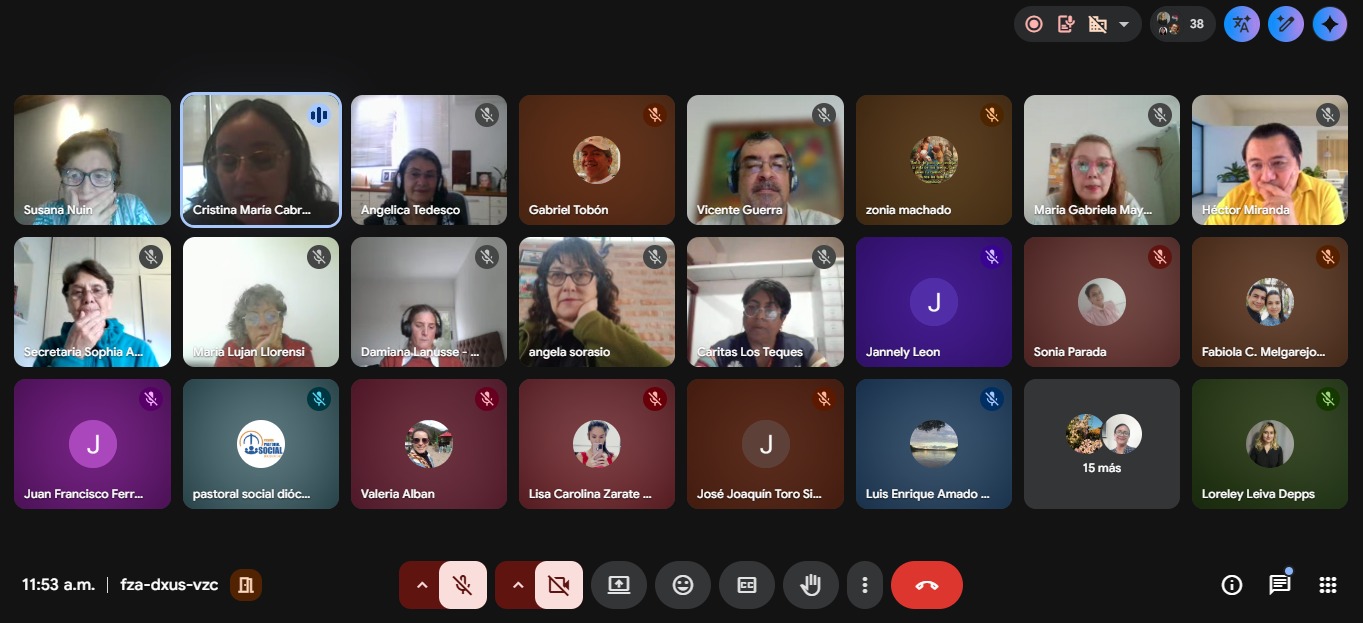
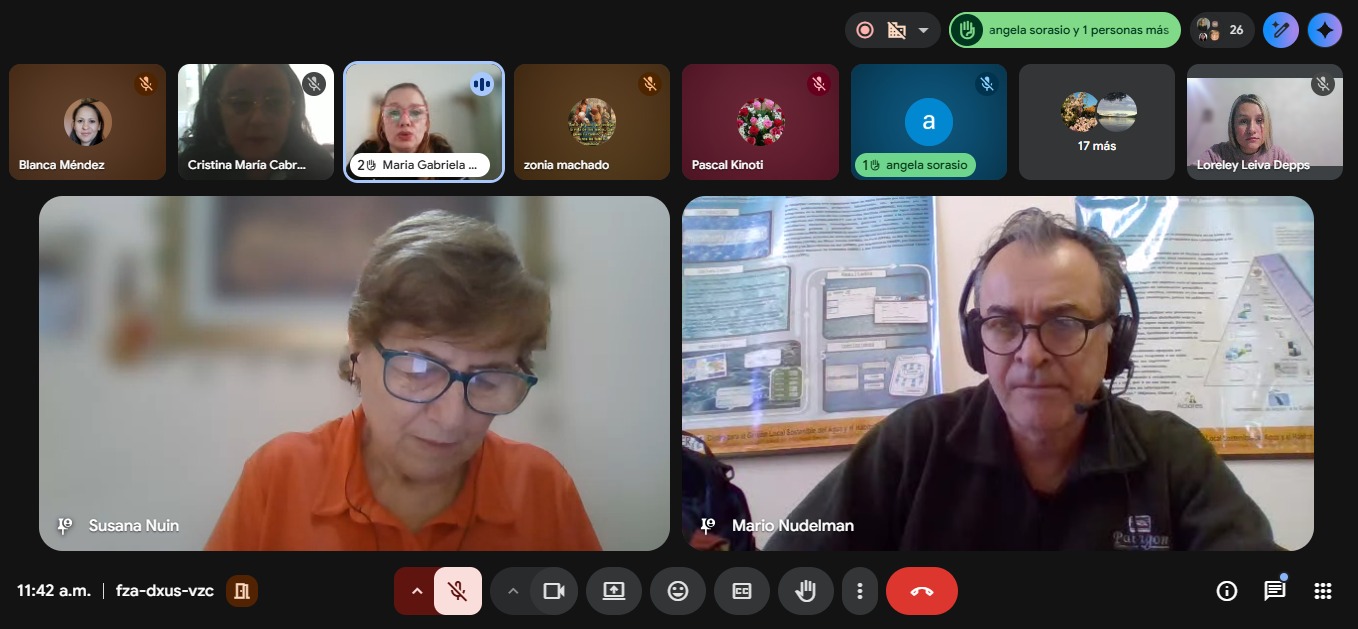
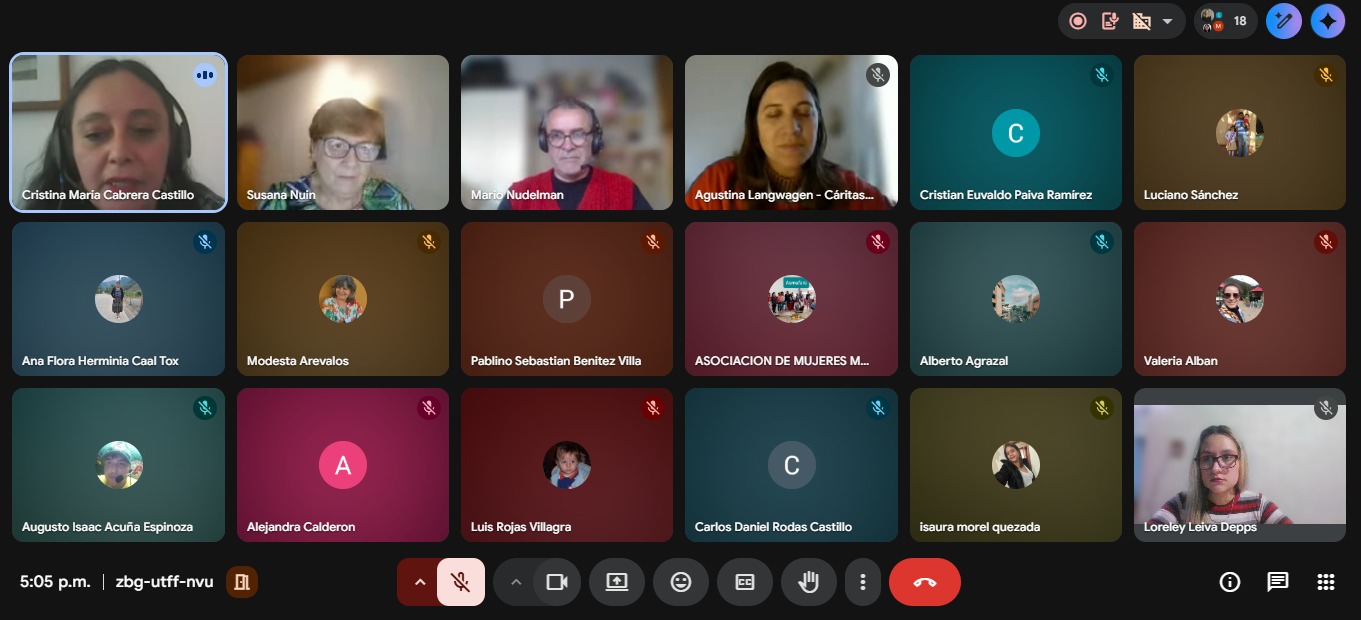
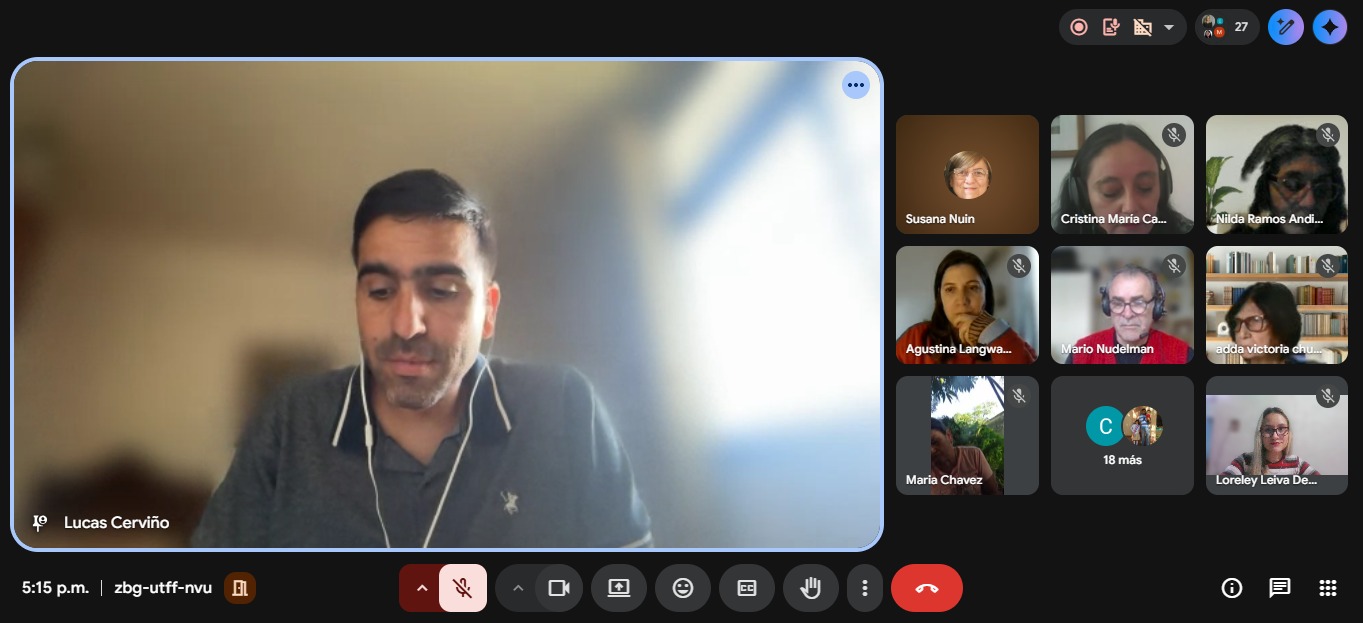
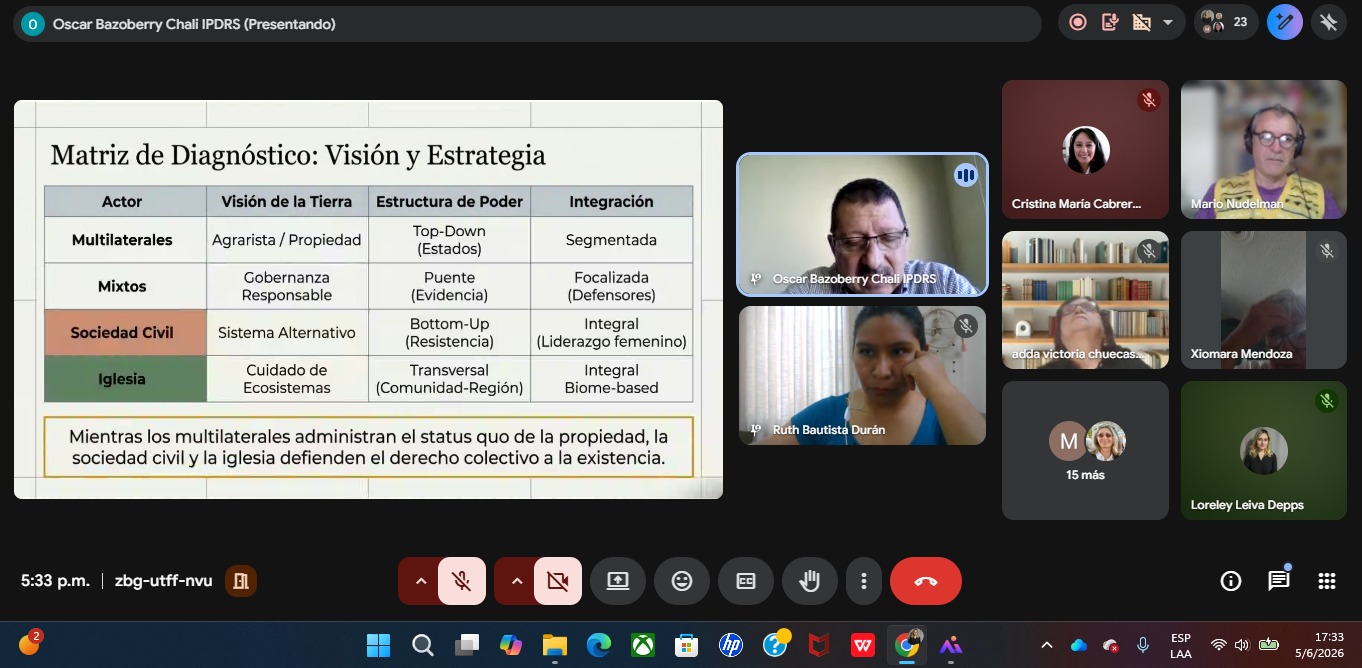
Con el firme propósito fortalecer las capacidades de incidencia de equipos de Cáritas y organizaciones eclesiales de América Latina y el Caribe en temas vinculados al acceso a la tierra, la gobernanza territorial y la ecología integral, Cáritas América Latina y el Caribe —a través de su área de Formación y el equipo de Medios de Vida y Seguridad Alimentaria (MVSA)—, en coordinación con el Programa Latinoamericano de Tierras y Aguas y el Instituto Universitario SOPHIA, desarrolló con éxito el curso formativo "Acceso a la Tierra y su Gobernanza en América Latina y el Caribe".
La iniciativa, desarrollada entre el 4 de mayo y el 12 de junio de 2026, se buscó promover el diálogo, el análisis crítico de la realidad regional y el intercambio de experiencias que contribuyan a impulsar alternativas más justas y sostenibles en los territorios.
Un espacio articulado en dos cohortes
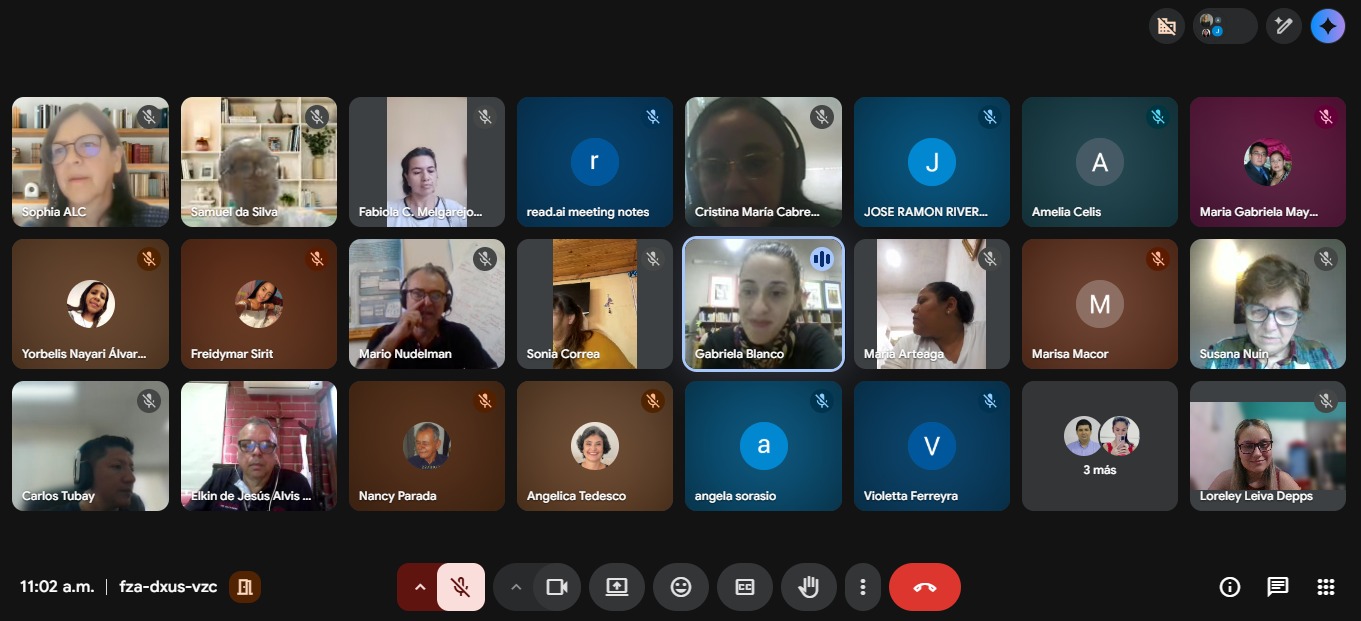
Para garantizar un alcance profundo y una participación diversa, la formación se estructuró en dos momentos clave. La primera cohorte, que sesionó del 4 al 15 de mayo, estuvo dirigida principalmente a referentes y miembros de equipos nacionales, diocesanos y parroquiales de Cáritas directamente vinculados a la temática social y agraria.
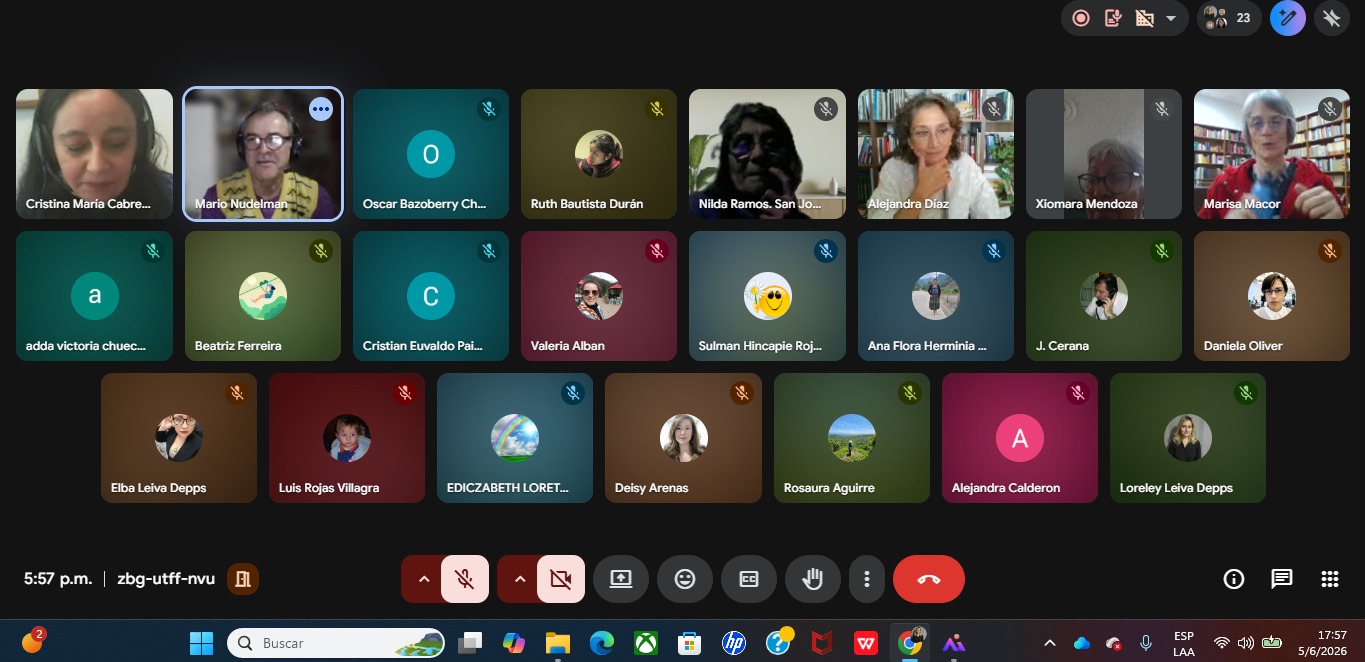
Por su parte, la segunda cohorte, realizada del 1 al 12 de junio, amplió la participación a otras organizaciones eclesiales y aliados pastorales que también trabajan activamente la defensa de los derechos territoriales en el continente.
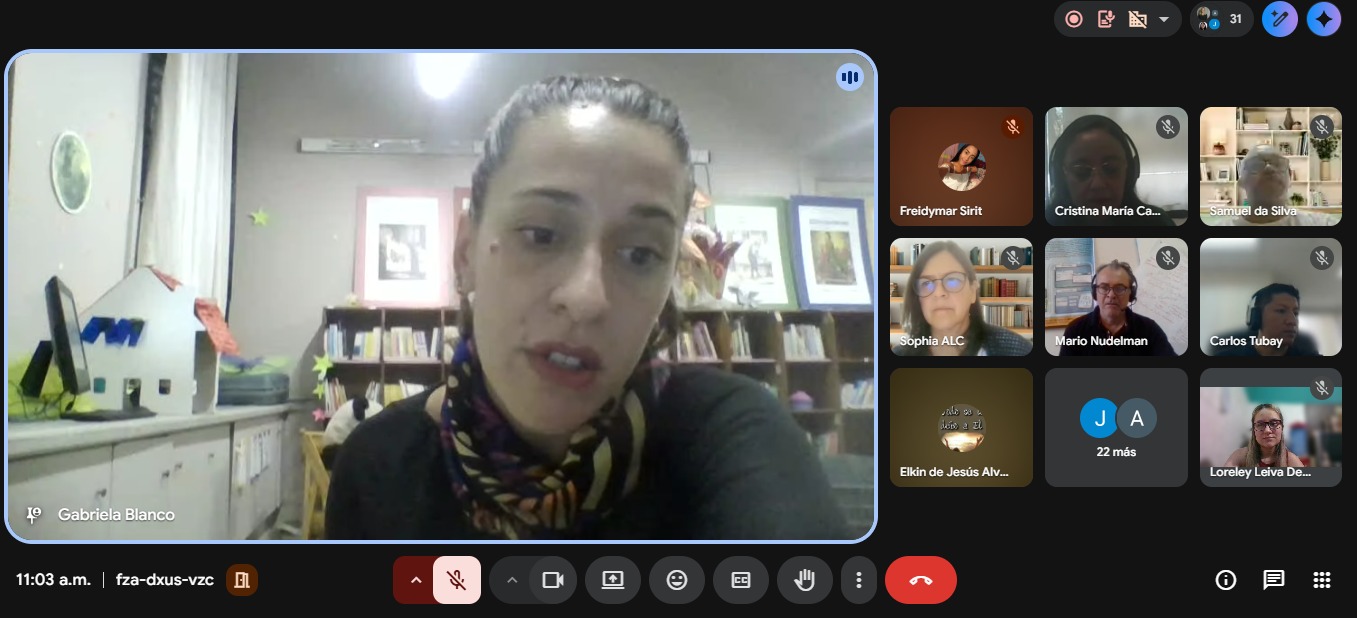
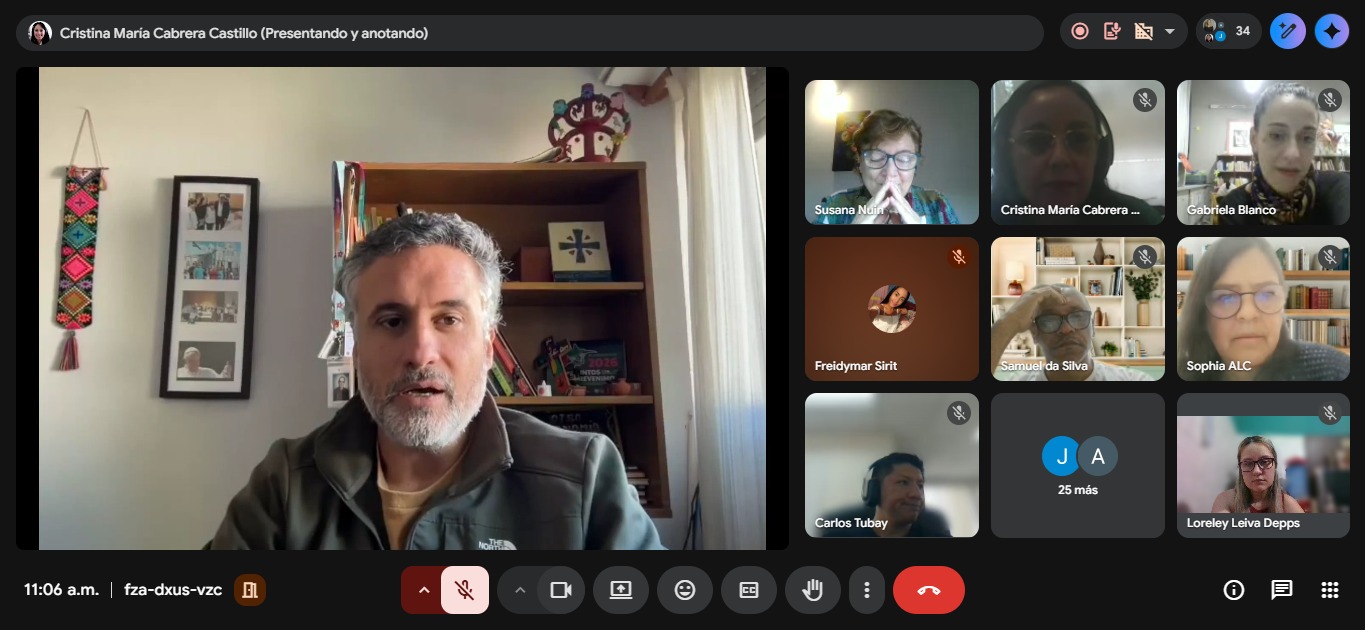
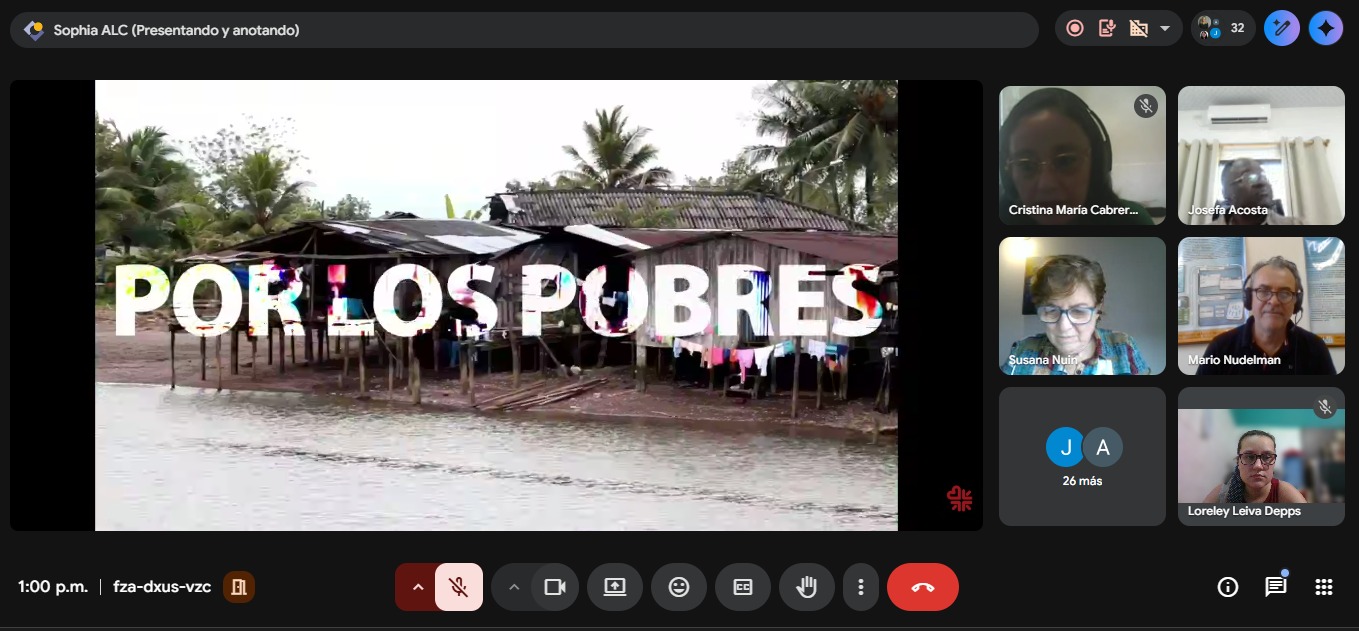
A través de encuentros virtuales, el análisis de investigaciones recientes, el intercambio de experiencias comunitarias y la reflexión teológico-pastoral desde la Doctrina Social de la Iglesia, se abordaron módulos críticos relacionados con los conflictos socioambientales, las estrategias de incidencia pública y las alternativas económicas inspiradas en el cuidado de la Casa Comum.
Voces desde los territorios: fraternidad y resiliencia
El valor metodológico del curso radicó en su capacidad para tejer redes de comunión entre diversas realidades de América del Sur, Centroamérica y el Caribe, permitiendo a los participantes encontrar puntos de encuentro en sus luchas locales. Blanca Méndez, de Cáritas Paraguay, valoró la experiencia.
El curso significó contención comunitaria regional; encontrarnos con otras personas de otros países y comunidades con los mismos desafíos y esperanza. Sostiene la fuerza, ensancha el aliento y anima a seguir”.
Por su parte, Juan Francisco Ferro, participante de Cáritas del Perú, destacó la riqueza de las experiencias compartidas en el aula virtual: “El principal aprendizaje que me llevo es la capacidad de resiliencia de los pequeños productores y comunidades que, frente a situaciones de corrupción o abuso de autoridad, continúan organizándose para defender sus territorios”.
Asimismo, la vinculación del curso con el magisterio del Papa Francisco y la tradición eclesial fue ampliamente valorada. “Me gustó mucho la relación y el rescate de los documentos de la Iglesia que presentan el cuidado y el compromiso de la Iglesia con la Casa Común y con las luchas de las personas empobrecidas del campo”, expresó Samuel, participante de Cáritas Brasileira.
Impacto en la región: hacia una ecología integral aplicada
El impacto de este proceso formativo se proyecta directamente en el fortalecimiento de la pastoral social latinoamericana. Al dotar a los participantes de herramientas conceptuales y técnicas de gobernanza, Cáritas promueve comunidades locales más capaces de dialogar con las autoridades, denunciar las lógicas del extractivismo y diseñar proyectos de soberanía alimentaria basados en el respeto a la biodiversidad.
Asimismo, la formación fortaleció el intercambio entre organizaciones eclesiales y agentes pastorales comprometidos con el cuidado de la Casa Común, la justicia social, la soberanía alimentaria y la defensa de los derechos de las comunidades rurales. Para las Cáritas Nacionales, este tipo de espacios contribuye a enriquecer el acompañamiento territorial, fortalecer la reflexión pastoral y generar aprendizajes que pueden ser aplicados en los distintos contextos locales.
Este esfuerzo conjunto con el Programa Latinoamericano de Tierras y el Instituto Universitario SOPHIA consolida a la Iglesia regional como una aliada estratégica en la defensa del derecho de los campesinos e indígenas a permanecer en sus tierras de manera digna y sostenible.
Care of the common home and Holistic Human Development