Stories
América Latina y el Caribe
02-05-2024
Cáritas responde ante la crisis humanitaria en Gaza y Cisjordania
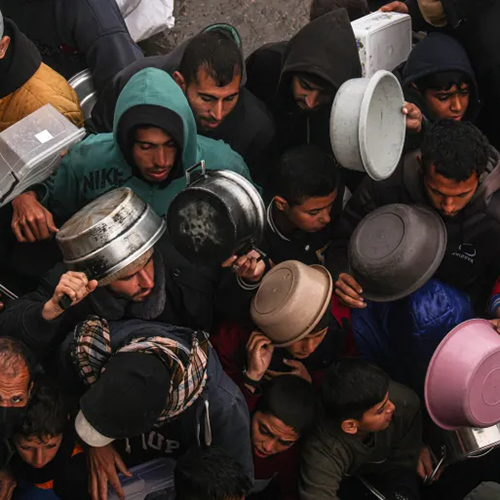
Tras más de seis meses de conflicto en Gaza, la situación humanitaria se deteriora gravemente. Más de 34.000 palestinos y 1.200 israelíes y extranjeros han perdido la vida, el 70% de los cuales son mujeres y niños. La inseguridad alimentaria alcanza niveles insostenibles, afectando a más de un millón de personas que luchan por acceder a alimentos básicos.
El desplazamiento interno sigue siendo una realidad para el 75% de la población de Gaza, mientras que la falta de alimentos, agua potable y servicios básicos agrava aún más las condiciones de vida. Además, la infraestructura vital, como hospitales y servicios de agua y electricidad, ha sufrido graves daños, dificultando el acceso a la ayuda humanitaria.
En medio de esta crisis, los procedimientos de entrega de ayuda se enfrentan a múltiples obstáculos, desde autorizaciones prolongadas hasta interrupciones de comunicaciones y escasez de combustible. El personal de Cáritas y sus asociados continúan trabajando incansablemente, a pesar de los desafíos operativos y de seguridad.
En Cisjordania, las restricciones a la circulación y la escalada de la violencia han exacerbado la crisis humanitaria, provocando un aumento significativo de los desplazamientos forzosos y afectando gravemente los medios de subsistencia de la población.
En respuesta a esta situación, Cáritas ha actualizado su plan de contingencia y está trabajando en estrecha colaboración con las autoridades locales y otras organizaciones humanitarias para proporcionar asistencia vital a quienes más lo necesitan. Se insta a la comunidad internacional a brindar un mayor apoyo y protección a los trabajadores humanitarios y a aumentar la ayuda, especialmente en medio de las crecientes advertencias de hambruna en Gaza.
Cáritas se compromete a seguir trabajando para aliviar el sufrimiento de las comunidades afectadas y a abogar por la paz y la justicia en la región.
Para obtener más información sobre el impacto regional de la crisis y las respuestas de Cáritas consulte la siguiente página.
Con información de Caritas Internationalis y fotografía de Cáritas Jerusalem.
Care of the common home and Holistic Human Development,
Human mobility