Stories
América Latina y el Caribe
20-04-2026
Cáritas LAC aboga por el rol de la fe y la subsidiariedad en Foro Interreligioso sobre Desarrollo Sostenible
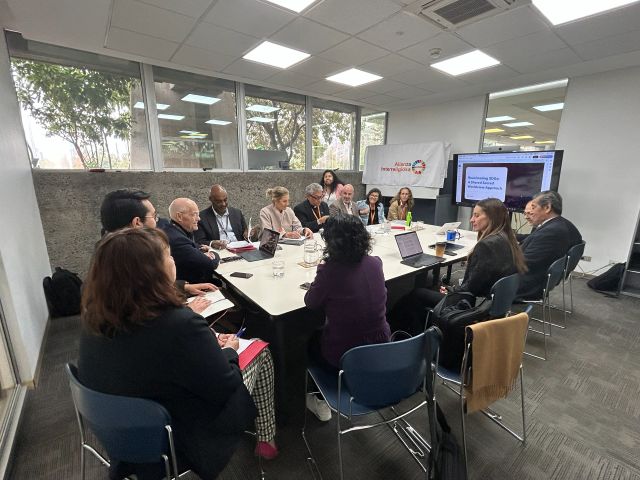
Entre los días 13 y 14 de abril, en la sede de la Comisión Económica para América Latina y el Caribe (CEPAL), en Santiago de Chile, se realizó el Foro Interreligioso de la Novena Reunión del Foro de los Países de América Latina y el Caribe sobre el Desarrollo Sostenible, bajo el lema “Transformando los ODS mediante un florecimiento sagrado compartido”.
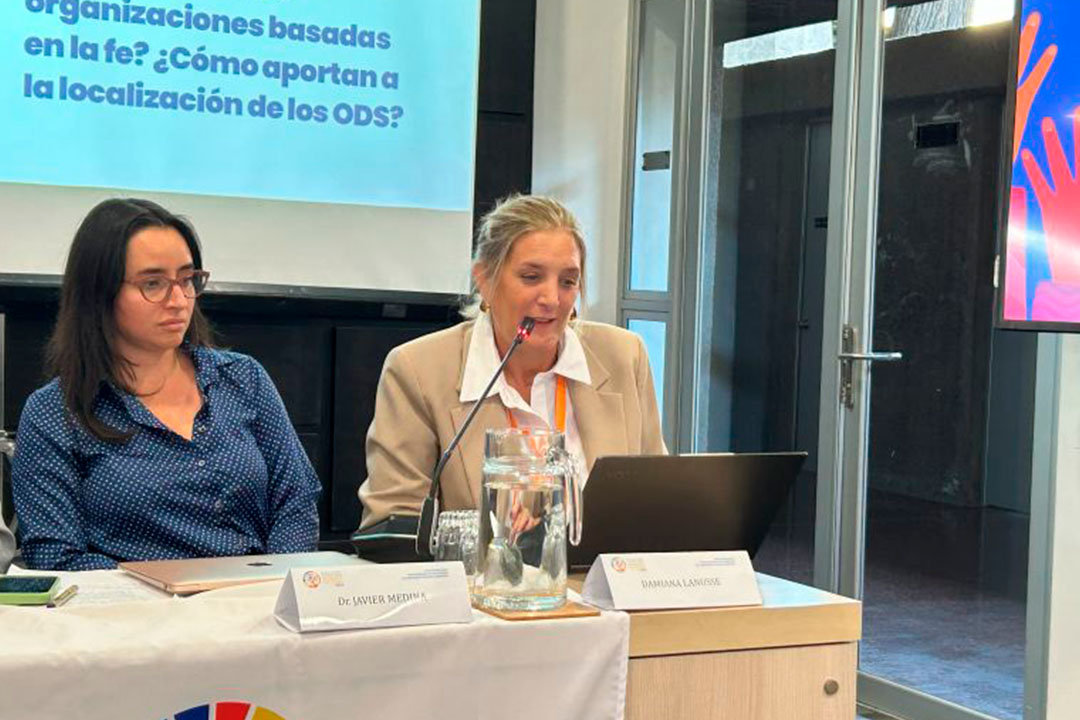
La instancia fue coorganizada por Religiones por la Paz —a través de su Consejo Latinoamericano y Caribeño de Líderes Religiosos—, junto a la Alianza Interreligiosa y la Asociación de Diálogo Interreligioso para el Desarrollo Humano (ADIR Chile), convocando a líderes religiosos, representantes de organismos internacionales, académicos y organizaciones de la sociedad civil. Cáritas América Latina y el Caribe participó activamente del espacio a través de su coordinadora de Incidencia, Damiana Lanusse.
La subsidiariedad: de la idea a la realidad territorial
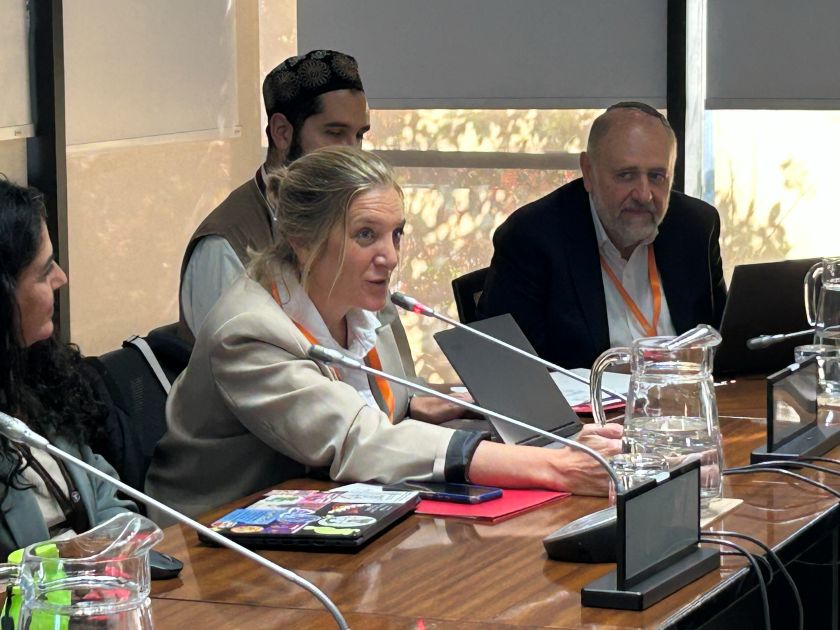
Durante la Sesión II, centrada en el rol subsidiario y la localización de los Objetivos de Desarrollo Sostenible (ODS), Damiana apostó como una de las panelistas, resaltando la identidad de los grupos de fe, con sus rasgos distintivos como la capilaridad territorial y el alcance geográfico.
Lanusse advirtió sobre la "exclusión de lo sagrado" en las agendas globales y cómo esto puede traducirse en un desarrollo vacío de sentido.
Esta omisión, que entendemos representa una traición a los principios fundantes, se refleja por ejemplo en mediciones centradas casi exclusivamente en el crecimiento económico, aun cuando éste no se traduzca en bienestar compartido. Asimismo, somos testigos de ayudas internacionales condicionadas por imposiciones que muchas veces atentan contra la idiosincrasia y el espíritu de los pueblos que las reciben.
"Es imposible promover la dignidad de la persona si no se cuidan las realidades territoriales locales, las familias y las asociaciones", señaló Lanusse, citando el principio de subsidiariedad de la Doctrina Social de la Iglesia. "Las decisiones deben tomarse en el nivel más cercano posible a las personas; las instancias superiores deben apoyar y potenciar, no reemplazar ni absorber a las comunidades locales".
Desafíos para una agenda con rostro humano
En su contribución, la coordinadora de Incidencia de Cáritas resaltó que nuestras líneas de acción no solo responden a necesidades inmediatas sino que se articulan para reforzar capacidades locales, y con esto facilitan la localización de los ODS mediante áreas de impacto de la Agenda 2030:
- Seguridad Alimentaria y Resiliencia Productiva: Impulsamos la agricultura familiar bajo modelos de gestión que optimizan el acceso al agua y el uso de energías limpias en el campo, transformando bancos de alimentos en nodos de solidaridad comunitaria.
- Desarrollo Humano e Infraestructura Digna: Promovemos la formación integral vinculada a viviendas y tecnologías sociales que integren servicios básicos eficientes (agua y saneamiento), fomentando una participación ciudadana activa en la toma de decisiones sobre sus propios recursos.
- Gestión de Riesgos y Adaptación: Nuestra respuesta humanitaria y reconstrucción resiliente prioriza que las comunidades recuperen su autonomía con infraestructuras más seguras y durables.
Incidencia y Alianzas por la Justicia: Entendemos que la defensa de los derechos humanos fundamentales y la lucha contra la desigualdad sólo son posibles a través de alianzas sólidas y multiactoriales. Por ello, coordinamos esfuerzos con las organizaciones basadas en la fe, la sociedad civil, la academia, el sector público y privado para que la gobernanza de los bienes comunes sea equitativa y transparente.
La intervención de Damiana culminó con un llamado a la comunidad internacional para fortalecer la autonomía de los actores locales y reducir las barreras de financiamiento que limitan el impacto de la ayuda. Al cierre de la primera jornada, los participantes adoptaron la Declaración del Foro Interreligioso , la cual será presentada ante el Foro regional para asegurar que la voz de las comunidades de fe sea escuchada en la construcción de políticas públicas globales.
El encuentro concluyó reafirmando la relevancia de la cooperación interreligiosa como un actor clave en la promoción del desarrollo sostenible, el fortalecimiento del tejido social y la construcción de una agenda común basada en la dignidad humana, la paz y el cuidado de la vida en América Latina y el Caribe.
-(pequeno).jpeg)
Identity and spirituality,
Democracy, human rights and peace building