Stories
América Latina y el Caribe
26-08-2025
Cáritas fortalece la protección de las personas a través de la formación de 46 nuevos agentes pastorales
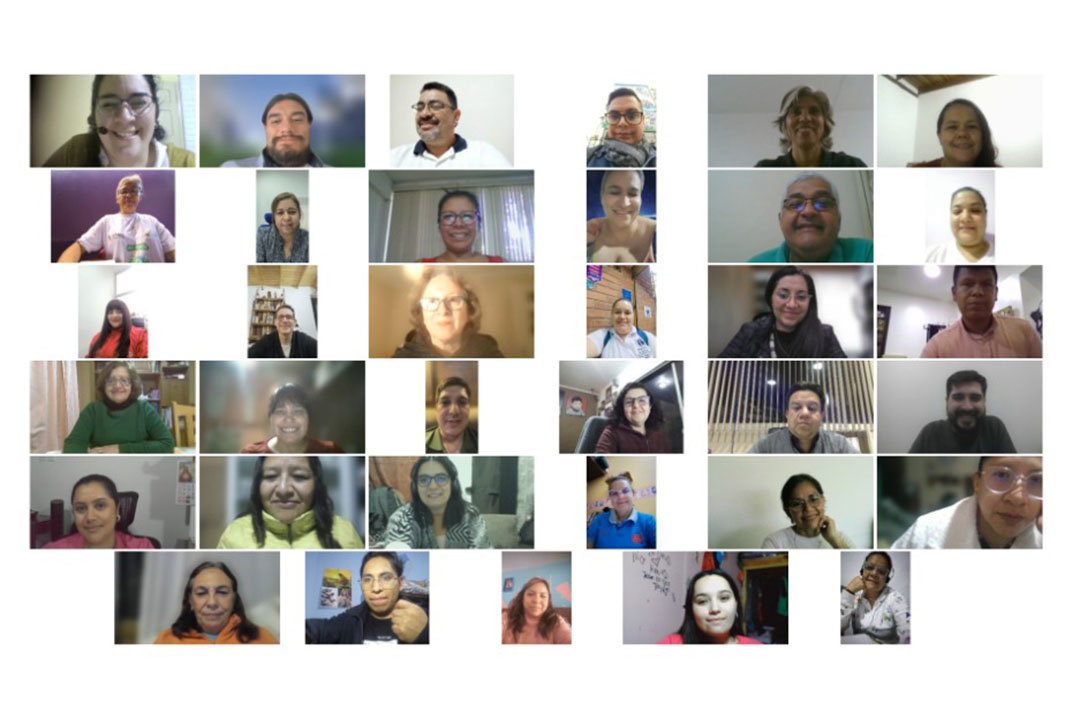
En un esfuerzo continuo por fortalecer la protección de menores y vulnerables en la región, Cáritas América Latina y el Caribe celebra la finalización la tercera edición del Diplomado “Entornos Seguros de la Pastoral Social de la Iglesia". Esta iniciativa, convocada por el SELACC con el respaldo académico de CEBITEPAL, se llevó a cabo en el marco de la campaña #YoMeComprometo y contó con el apoyo del Proyecto Memorare y Porticus.
Entre mayo y julio, 46 participantes de 12 países — Argentina, Bolivia, Chile, Colombia, Ecuador, Guatemala, Honduras, México, Perú, República Dominicana, Uruguay y Venezuela — completaron el programa de forma satisfactoria, que implicó asistencia regular, entrega de trabajos por módulo y la elaboración de un trabajo final integrador. El diplomado les proporcionó herramientas teóricas y prácticas esenciales para la prevención del abuso y la creación de entornos eclesiales seguros, con la guía de un equipo de expertos con amplia experiencia.
Los graduados valoraron positivamente la experiencia formativa, destacando cómo les brindó las herramientas necesarias para fortalecer una cultura de cuidado.
Una experiencia muy bella, sobre todo porque me brindaron herramientas para fortalecer la cultura del cuidado a nivel interno y externo.
Me siento impelida, con ánimo y fuerza para contribuir desde mi humilde experiencia y conocimientos a hacer aportes y avanzar en el estudio de esta materia.
Como siguiente paso, los recién certificados han sido invitados a unirse a la Comunidad de Salvaguardia de Cáritas América Latina y el Caribe. Este es un espacio regional clave para compartir aprendizajes, recursos y buenas prácticas. Es importante destacar que el diplomado no autoriza la intervención local, sino que capacita a los agentes pastorales para que profundicen en una perspectiva integral de la protección, fortaleciendo así la animación de la red.
Cáritas América Latina y el Caribe agradece especialmente a todas las personas e instituciones que hicieron posible esta tercera edición, e invita a continuar renovando el compromiso con la protección de las personas más vulnerables en cada realidad nacional.
Seguimos caminando juntos en la construcción de comunidades eclesiales donde cada persona, especialmente niñas, niños, adolescentes y personas vulnerables, se sientan protegidas, valoradas y respetadas.
Identity and spirituality