Stories
América Latina y el Caribe
04-06-2024
Cáritas debe seguir trabajando por nuestra casa común
Los ecosistemas de todo el mundo están en peligro. Desde bosques y tierras áridas hasta tierras agrícolas y lagos, los espacios naturales de los que depende la humanidad están llegando a un punto crítico. Según la Convención de las Naciones Unidas de Lucha contra la Desertificación, hasta el 40% de las zonas terrestres del planeta están degradadas, afectando directamente a la mitad de la población mundial. Desde el año 2000, el número y la duración de los períodos de sequía han aumentado un 29%, y si no se toman medidas urgentes, más de tres cuartas partes de la población mundial podrían verse afectadas por sequías en 2050.
En este contexto, el Día Mundial del Medio Ambiente 2024 se centra en la restauración de las tierras, la detención de la desertificación y el fortalecimiento de la resiliencia ante la sequía. No podemos retroceder en el tiempo, pero podemos plantar nuevos bosques, revitalizar fuentes de agua y restaurar los suelos degradados. Somos la generación que puede reconciliarse con la tierra y sanar los daños causados.
El tiempo se agota y la naturaleza está en una situación de emergencia. Para mantener el calentamiento global por debajo de 1,5 °C este siglo, necesitamos reducir a la mitad las emisiones anuales de gases de efecto invernadero para 2030. Si no actuamos de inmediato, la exposición a aire contaminado aumentará en un 50% durante esta década, mientras que los desechos plásticos que contaminan los ecosistemas acuáticos podrían triplicarse para 2040. Y estas no serán las únicas consecuencias; seguirán muchas más.
Es crucial que tomemos medidas urgentes para enfrentar estos desafíos y garantizar un futuro sostenible para las próximas generaciones. Actuemos ahora, juntos, para proteger y restaurar nuestro planeta.
Cáritas y su compromiso con el medio ambiente
En Cáritas, entendemos que nuestra misión no solo abarca la lucha contra la pobreza y la exclusión social, sino también la protección y cuidado de nuestro planeta. Nuestro compromiso con la justicia social incluye la justicia ambiental, reconociendo que los más vulnerables son quienes más sufren las consecuencias de la degradación ambiental y el cambio climático.
Te presentamos algunas iniciativas del cuidado de la Casa Común en las Cáritas de América Latina y el Caribe.
México: Cuidemos Nuestros Maíces Criollos
El proyecto “Cuidemos nuestros maíces criollos” tiene como objetivo mejorar la productividad de las unidades de producción familiares a través del conocimiento del estado del suelo y el mejoramiento de maíces criollos mediante la selección de planta y mazorca, así como la creación de bancos de semillas comunitarios. Esta iniciativa busca dignificar la vida de los campesinos mexicanos incrementando la productividad de sus cultivos, fuente vital de alimentación y economía.
Actualmente, el proyecto se desarrolla en la Diócesis de Celaya y próximamente se implementará en la Arquidiócesis de Tulancingo, la Diócesis de Tuxtla Gutiérrez y la Diócesis de Nezahualcóyotl.
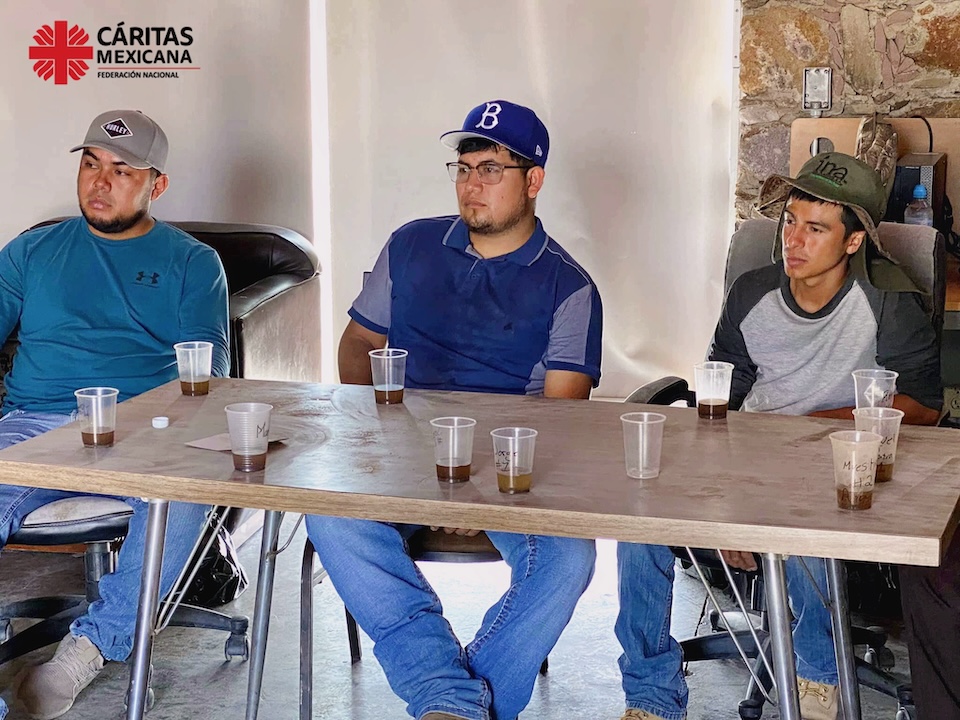
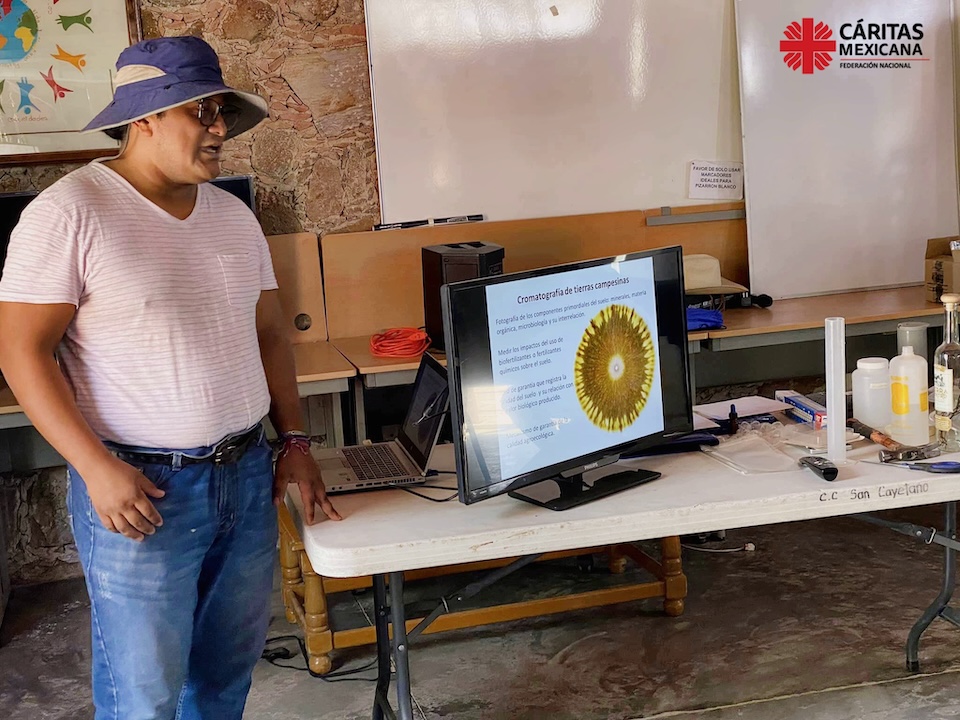
El 19 de mayo de 2024, en el centro comunitario de San Cayetano, se llevó este taller capacitando a campesinos y al equipo diocesano de Celaya en el mejoramiento genético de maíces criollos mediante la selección de planta y mazorca. Se enseñaron métodos como la selección de hermanos paternos, hermanos maternos y autohermanos, así como técnicas de selección visual simple y selección estratificada, mejorando el rendimiento de los cultivos entre un 1% y 3%.
En San Luis de Paz, Guanajuato, los productores han manifestado preocupación por la falta de semillas debido a dos años consecutivos de lluvias insuficientes. En respuesta, se buscarán variedades criollas de alto rendimiento y se considerará la creación de un banco comunitario de semillas.
El proyecto también incluye la capacitación en la elaboración de cromatogramas del suelo, proporcionando herramientas para un mejor manejo de parcelas. Esto apoya los procesos de compromiso y certificación del movimiento cooperativo regional, asegurando que la productividad se logre de manera sostenible.
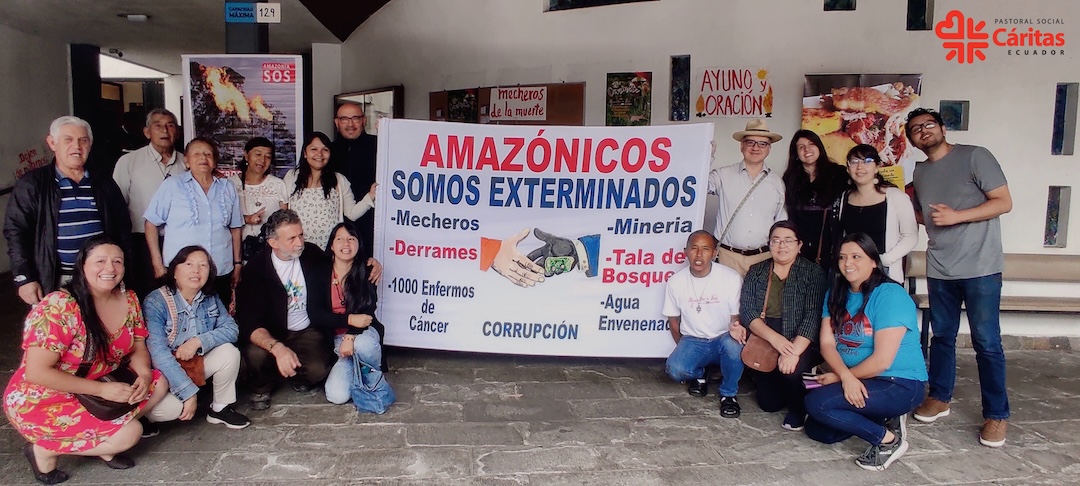
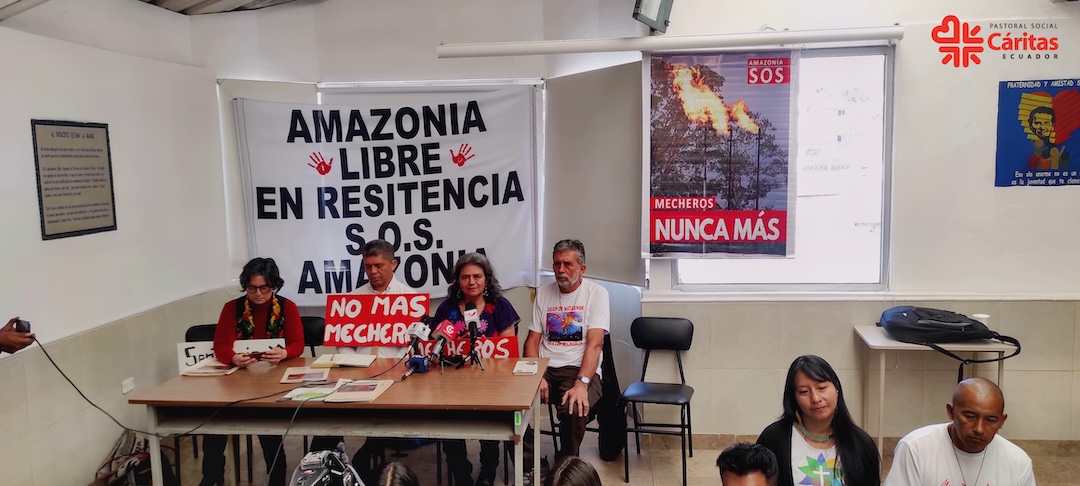
Ecuador: Jornada de Oración y Ayuno en Defensa de la Vida “No más mecheros”
Cáritas Ecuador, Arquidiócesis de Quito, junto con el Vicariato de Aguarico y el colectivo de mecheros, impulsaron una jornada de oración y ayuno en defensa de la vida en la Amazonía ecuatoriana. Esta iniciativa busca conocer y difundir la crítica situación que enfrentan los pueblos amazónicos debido a la presencia de 487 mecheros en las compañías petroleras y exigir el cumplimiento de sentencias judiciales recientes.
En la Amazonía ecuatoriana, arden al menos 445 mecheros, de los cuales 104 están en el Parque Nacional Yasuní. Estos mecheros afectan gravemente el derecho a vivir en un ambiente sano, además de perjudicar la salud de las poblaciones cercanas.
Impactos de los mecheros:
-Biodiversidad: Millones de insectos y aves incinerados.
-Agua y Ecosistema: Lluvias ácidas contaminan ríos y suelos, afectando la vida y el equilibrio ecológico.
-Salud: Alta incidencia de cáncer y problemas respiratorios, gastrointestinales y de piel en las zonas afectadas.
-Economía: Ecuador importa Gas Licuado de Petróleo (GLP) mientras quema gas que podría ser refinado para obtener GLP.
En febrero de 2020, colectivos de diversas organizaciones de la sociedad civil presentaron una acción de protección contra el Estado ecuatoriano por permitir la quema de gas asociada a la producción de petróleo. Aunque esta práctica debería ser excepcional, se ha convertido en una norma regular, ignorando compromisos internacionales y mandatos constitucionales.
Esta jornada es un llamado urgente a la reflexión y acción para proteger la vida y el medio ambiente en la Amazonía ecuatoriana.
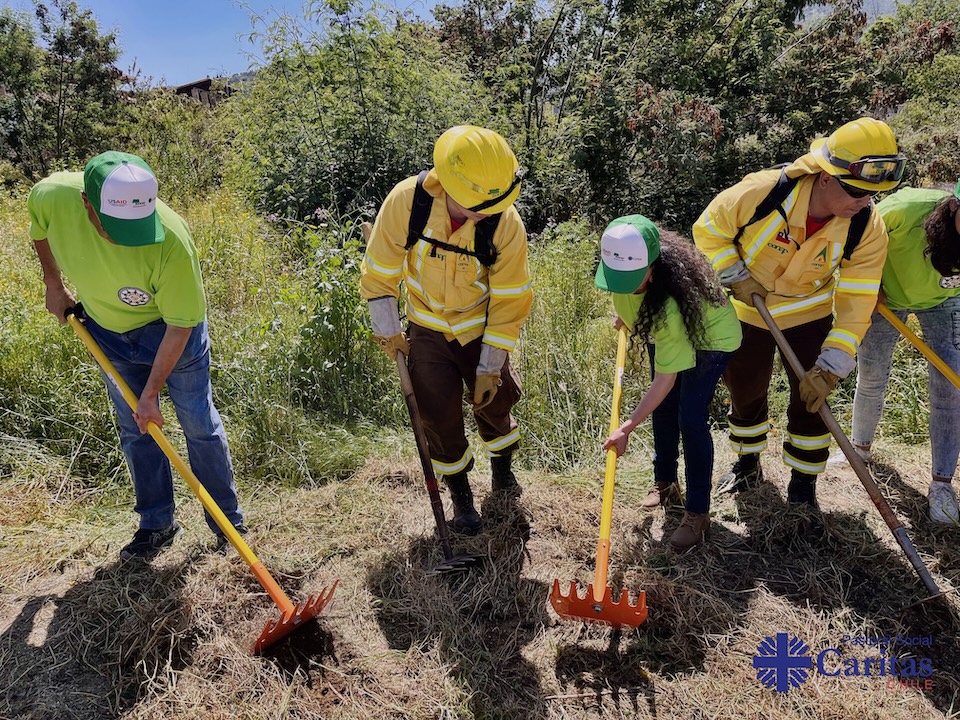
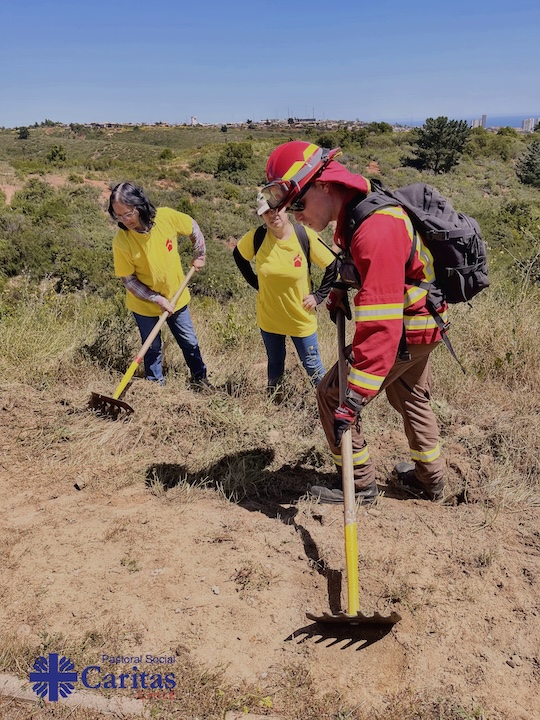
Chile: Prevención de Incendios Forestales, Buenas Prácticas Comunitarias en Chile
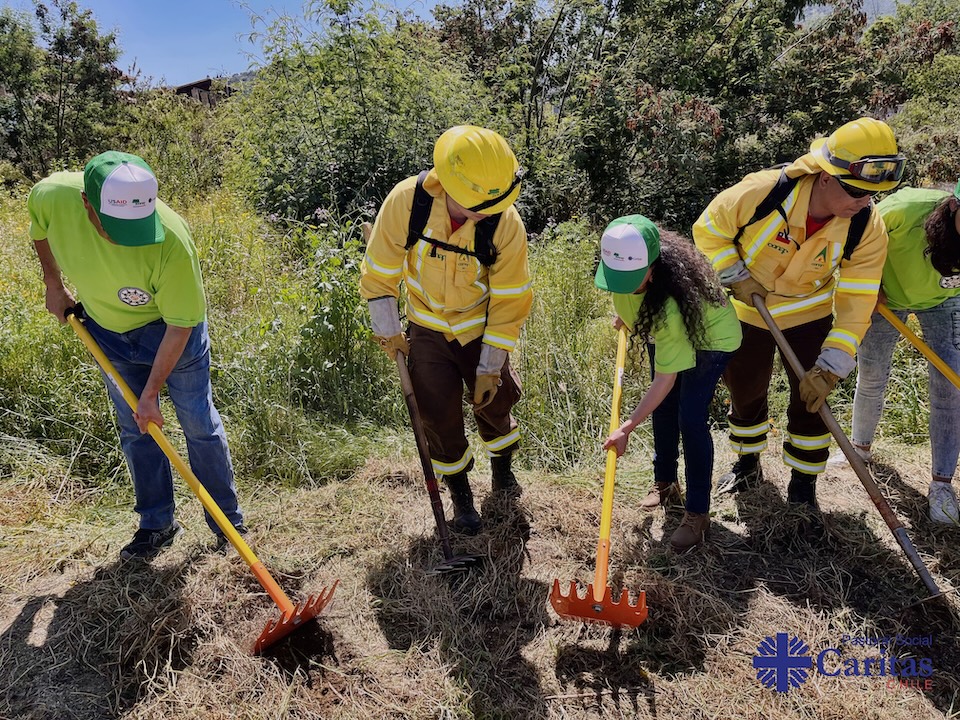
En Chile, se están implementando prácticas comunitarias destacadas para la prevención de incendios forestales a nivel nacional. Estas actividades, que sensibilizan y fomentan el cuidado de los ecosistemas, son esenciales como medidas adaptativas al cambio climático.
La capacitación, diseñada por FEMA y adaptada por SENAPRED, Caritas Chile y ADRA Chile, busca fortalecer las capacidades comunitarias para reducir riesgos de desastres. Este curso, basado en el programa CERT (Community Emergency Response Team), enseña a los participantes habilidades básicas de supervivencia y rescate en situaciones de emergencia, promoviendo la colaboración y formación continua.
El proyecto “Gestión territorial y participativa para la reducción del riesgo de incendios forestales de interfaz urbano forestal”, financiado por USAID/BHA y ejecutado por Caritas Chile y CONAF, incluye estas capacitaciones. Las comunidades locales, organizadas en comités, han realizado acciones para mitigar y prevenir desastres, mejorando la coordinación con los servicios de emergencia.
Para Caritas Chile, la preparación ante eventos adversos es crucial para fortalecer la cultura preventiva. Dado que Chile es propenso a emergencias como terremotos y aluviones, es vital que las comunidades participen en actividades formativas y preventivas para estar mejor preparadas y aliviar el sufrimiento humano.
¿Cómo puedes ayudar?
La crisis ambiental es un desafío global que requiere la acción de todos. Desde Cáritas, hacemos un llamado a la comunidad a involucrarse en esta misión urgente. Puedes contribuir de diversas maneras:
- Voluntariado y participación: Únete a nuestros proyectos ambientales y aporta tu tiempo y habilidades.
Educación y concienciación: Infórmate y comparte con otros la importancia de cuidar nuestro planeta.
Donaciones: Apoya financieramente nuestras iniciativas para que podamos seguir desarrollando proyectos de restauración y protección ambiental.
Juntos, podemos marcar la diferencia, y tenemos la responsabilidad y la oportunidad de asegurar un futuro sostenible para todos. Actuemos ahora para proteger nuestra casa común y construir un mundo más justo y saludable para las generaciones futuras.
Con información y fotografías de Cáritas México, Cuba, Ecuador, Colombia y Chile

Care of the common home and Holistic Human Development