Stories
América Latina y el Caribe
20-09-2024
Cáritas construyen la Paz desde las Comunidades Locales hacia un Futuro Global
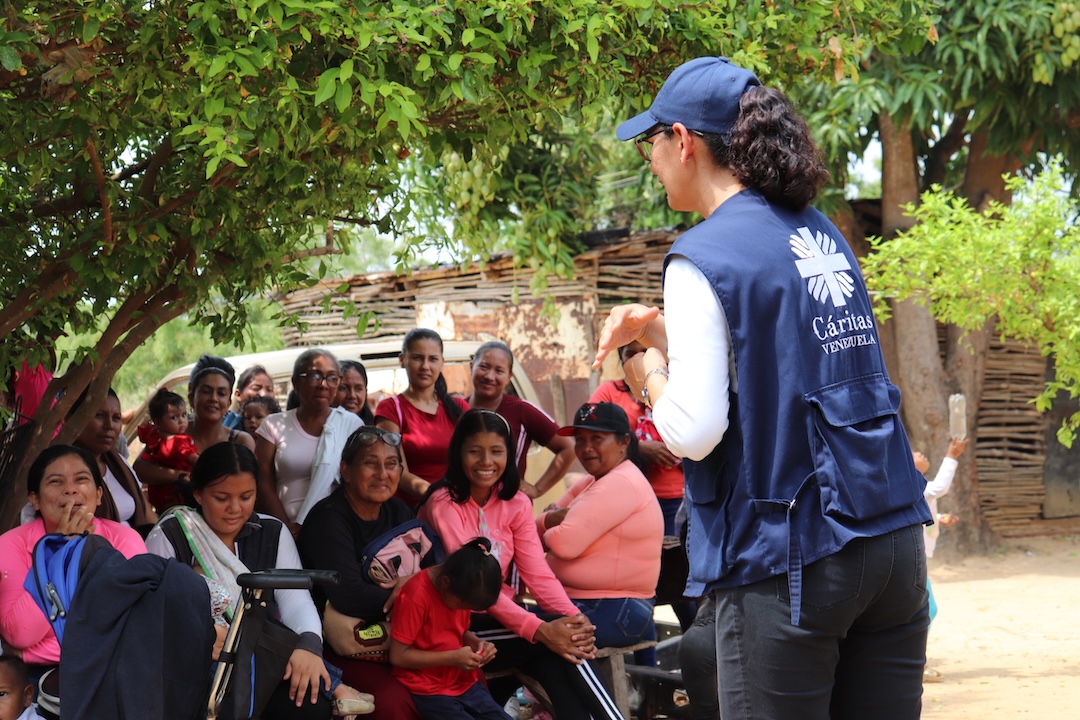
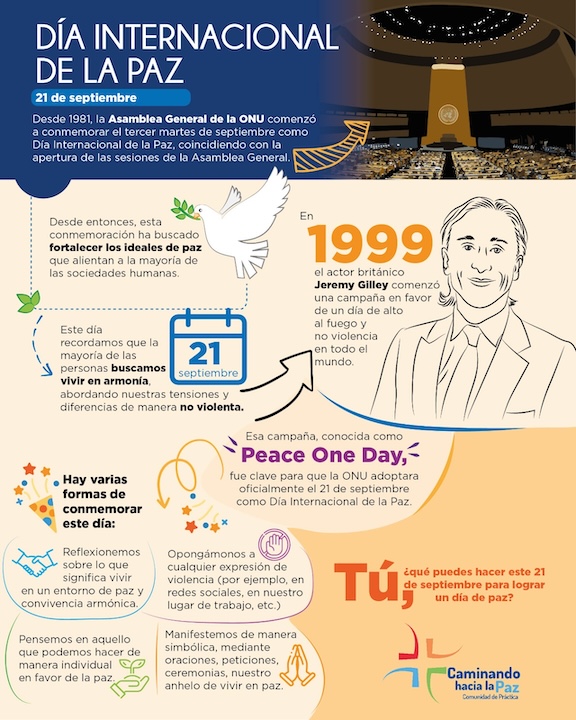
Cáritas América Latina y el Caribe, miembro activo de la comunidad de práctica Caminando hacia la Paz, reafirma su compromiso con la construcción de paz, tanto en el ámbito práctico como espiritual, a través de sus Cáritas nacionales, diocesanas y parroquiales. Este 21 de septiembre, Día Internacional de la Paz, Cáritas se une al llamado mundial para fortalecer los esfuerzos en la prevención y resolución de conflictos, trabajando directamente con las comunidades locales para abordar las causas profundas de la violencia. Esta labor se refleja en los programas que promueven la paz desde la base, protegiendo el desarrollo comunitario.
La promoción de la paz está íntimamente ligada a la democracia, la ciudadanía y los derechos humanos, pilares fundamentales para una paz duradera. Cáritas cree firmemente que solo alcanzaremos la verdadera paz cuando todos los individuos, sin distinción, tengan acceso a sus derechos fundamentales y sean escuchados en sistemas democráticos que promuevan la justicia y la igualdad. Este enfoque subraya la importancia de un cambio profundo de mentalidad, en el que el diálogo y la cooperación sustituyan a la confrontación, construyendo una cultura de paz desde la raíz.
En este año 2024, Cáritas también celebra el 25º aniversario de la Declaración sobre una Cultura de Paz de las Naciones Unidas, reconociendo que la paz no es un estado pasivo, sino un proceso activo que requiere la participación de todos. Esta declaración reafirma la importancia de resolver conflictos mediante la cooperación mutua y el entendimiento, valores que Cáritas encarna en sus programas de educación y no violencia a nivel local e internacional.
El compromiso de Cáritas con la paz está alineado con el mensaje del Papa Francisco para la Jornada Mundial de la Paz 2025, bajo el tema "Perdona nuestras ofensas, concédenos tu paz". Este mensaje resalta que la conversión personal y el perdón son esenciales para alcanzar una paz verdadera y duradera. Para Cáritas, la reconciliación es una piedra angular en la construcción de la paz, y su labor diaria busca integrar estos valores en las comunidades afectadas por la violencia y la injusticia.
Cáritas también coincide con la visión de las Naciones Unidas sobre la promoción de la paz, entendiendo que la paz mundial no se limita al cese de hostilidades, sino que exige la creación de condiciones justas que respeten la vida, los derechos humanos y las libertades fundamentales. Cáritas trabaja incansablemente para que estos principios se materialicen en las comunidades que más lo necesitan, demostrando que la paz es un objetivo alcanzable a través de la acción colectiva y la solidaridad.
Este Día Internacional de la Paz, Cáritas América Latina y el Caribe reitera que la paz no es un ideal inalcanzable, sino una realidad posible si todos nos comprometemos a construir un mundo más justo, reconciliado y en armonía. Es un llamado a la acción no solo para los gobiernos, sino para cada persona que sueña con un futuro donde la humanidad prospere en paz y justicia.
Democracy, human rights and peace building