Stories
América Latina y el Caribe
17-04-2026
Cáritas América Latina y el Caribe inicia Diplomado para fortalecer su Identidad y Espiritualidad
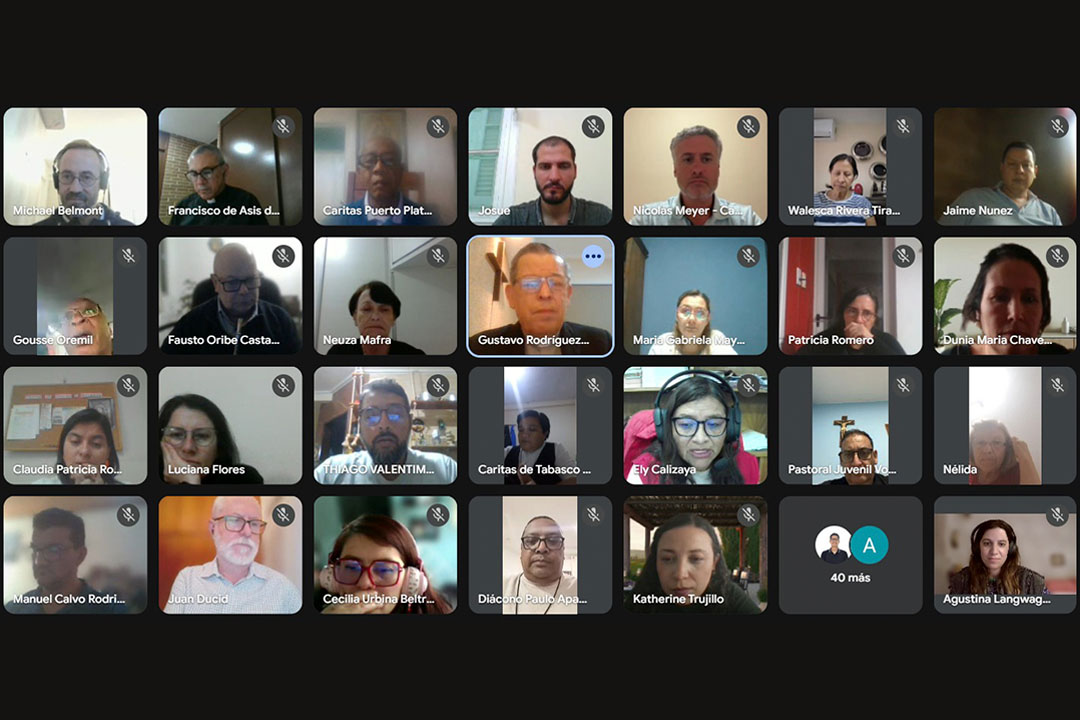
En el marco de la celebración de sus 70 años de servicio, Cáritas América Latina y el Caribe dio inicio formal, el miércoles 15 de abril, al Diplomado de Identidad y Espiritualidad. La sesión inaugural contó con una participación masiva de 84 inscritos, provenientes de 19 países de la región, marcando el comienzo de un itinerario formativo de 10 sesiones que se extenderá hasta el 24 de junio.
El encuentro, que tuvo un carácter introductorio y repase de informaciones más prácticas para el buen desarrollo del diplomado, contó con la participación del arzobispo de Yucatán (México) y presidente de Cáritas LAC, Mons. Gustavo Rodríguez Vega y del coordinador regional, Nicolas Meyer, que dieron la bienvenida enmarcando la propuesta en el contexto sociopolítico actual y estrategia y caminar regional.
La elaboración y organización del diplomado está a cargo del Equipo regional de Identidad, Espiritualidad y Animación Parroquial, que trabaja desde hace dos años en esta propuesta, con el acompañamiento del Secretariado Regional, especialmente el área de Formación.
Un camino de conversión y escucha
Este diplomado surge como una respuesta al contexto social de la post-pandemia y al "clamor de los pueblos". Bajo el enfoque sinodal impulsado por el Papa Francisco, la formación busca dotar a los equipos nacionales y diocesanos de herramientas favoreciendo la conversión pastoral y la transformación social, para animar y consolidar procesos de identidad, espiritualidad y animación parroquial de las Cáritas diocesanas.
Michael Belmont, de Cáritas Argentina y coordinador del diplomado, compartió la alegría del inicio de esta primera edición del diplomado. “Tuvimos la sesión introductoria contando un poco los aspectos logísticos y profundizando en una primera descripción de la identidad y espiritualidad para después abocarnos en los próximos encuentros a los siguientes cuatro módulos para la identidad y una profundización en rasgos de la espiritualidad de Cáritas América Latina y el Caribe en estos tiempos”.
Para Neuza Mafra, de Cáritas Brasileira, miembro del equipo y una de las tutoras del diplomado, esta iniciativa es el resultado de un compromiso profundo por reescribir y fortalecer la identidad regional, aumentando el sentido de pertenencia.
Lo que somos y lo que hacemos en Cáritas es fruto del gran amor de Dios, quien nos confió la misión de poner en el centro a los más empobrecidos. El diplomado ya es una potencia por su capacidad de reunir a casi todos los países de nuestro continente, renovando nuestras esperanzas en un mundo más humanizado.
Al compartir su sentimiento por el inicio del diplomado, Mafra lo enmarcó citando al fundador de Cáritas Brasileira, Dom Helder Câmara: "¡No dejen caer la profecía!".
Estructura del programa
El Diplomado de Identidad y Espiritualidad se desarrolla a través de un itinerario integral de 100 horas que combina encuentros virtuales con trabajo autónomo hasta el 10 de junio. El programa inicia con un análisis del contexto sociocultural y eclesial de la región, permitiendo a los agentes situar su labor ante las problemáticas actuales de América Latina y el Caribe.
Posteriormente, la formación profundiza en los fundamentos bíblicos y eclesiológicos, donde se reflexiona sobre la identidad de Cáritas como una "Iglesia en salida" que sirve desde el encuentro con Jesucristo. El trayecto culmina con un módulo dedicado a la espiritualidad, diseñado para fortalecer la conversión personal y pastoral de los participantes, orientando su compromiso hacia la transformación social y la construcción de comunidades de apoyo en todos los niveles.
Identity and spirituality