Stories
América Latina y el Caribe
03-07-2025
Cáritas América Latina y el Caribe fortalece su presencia en la Cumbre Climática de Bonn: compromiso y diálogo rumbo a la COP30
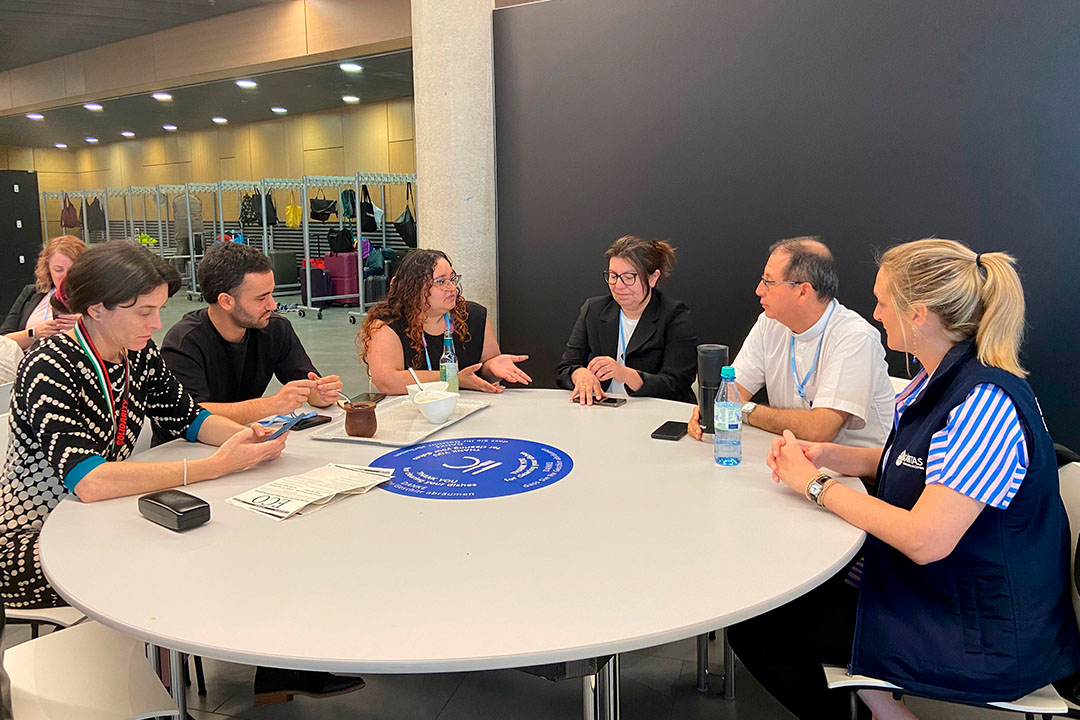
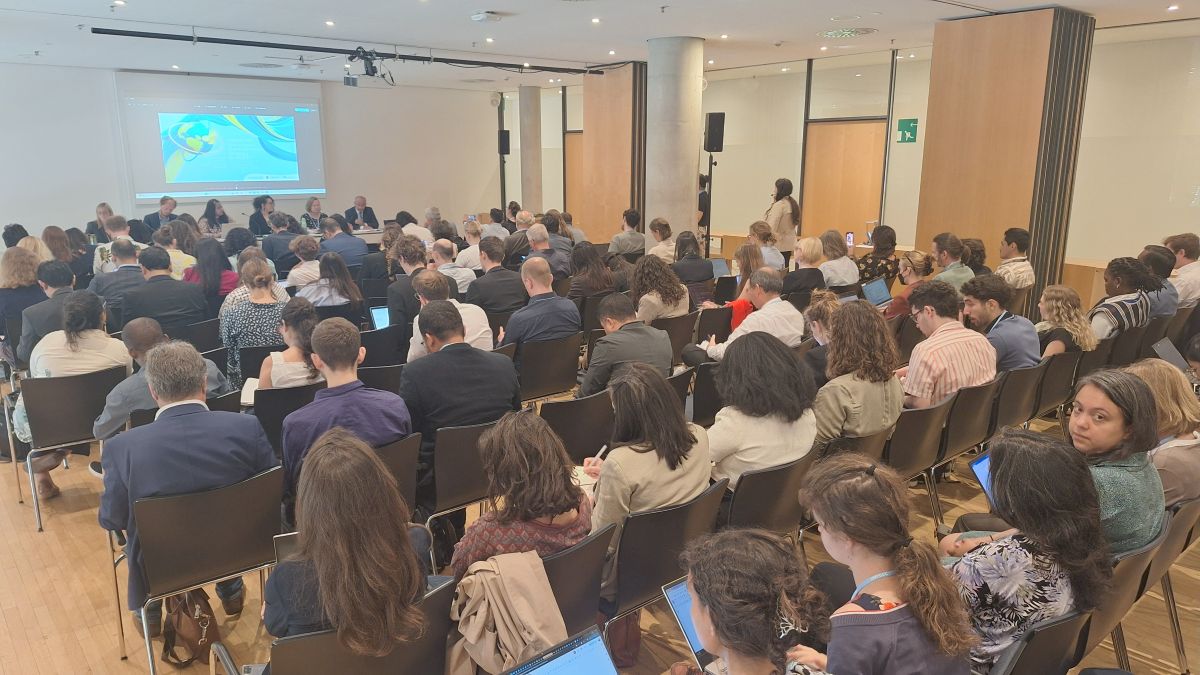
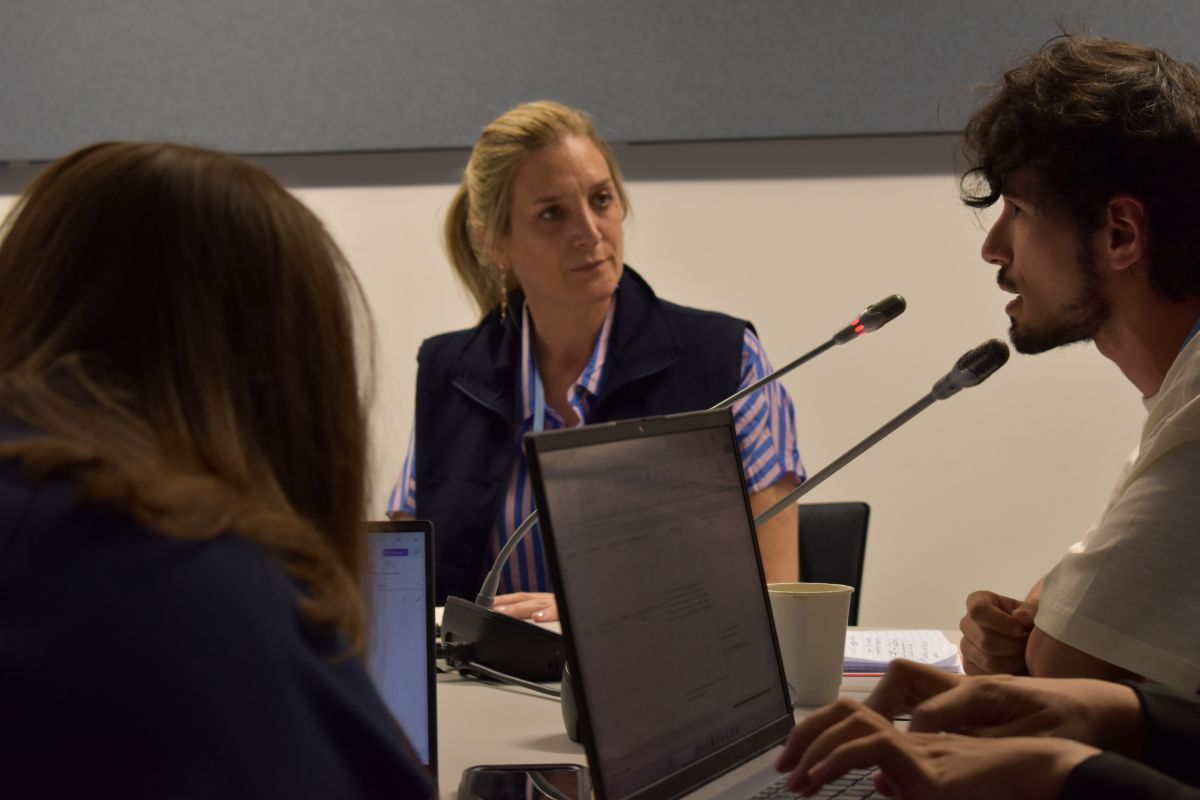
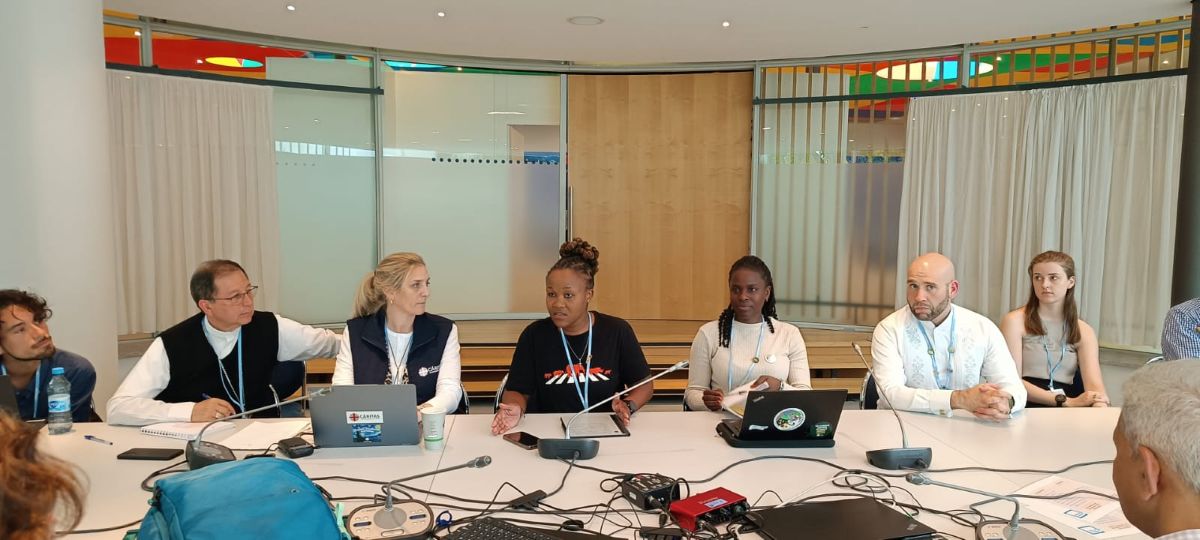
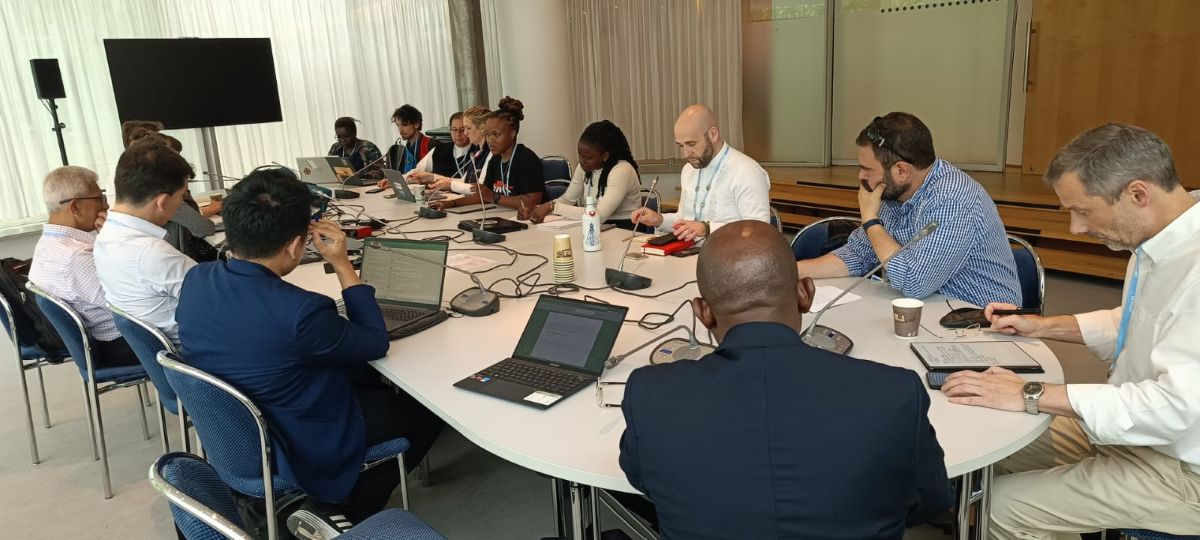
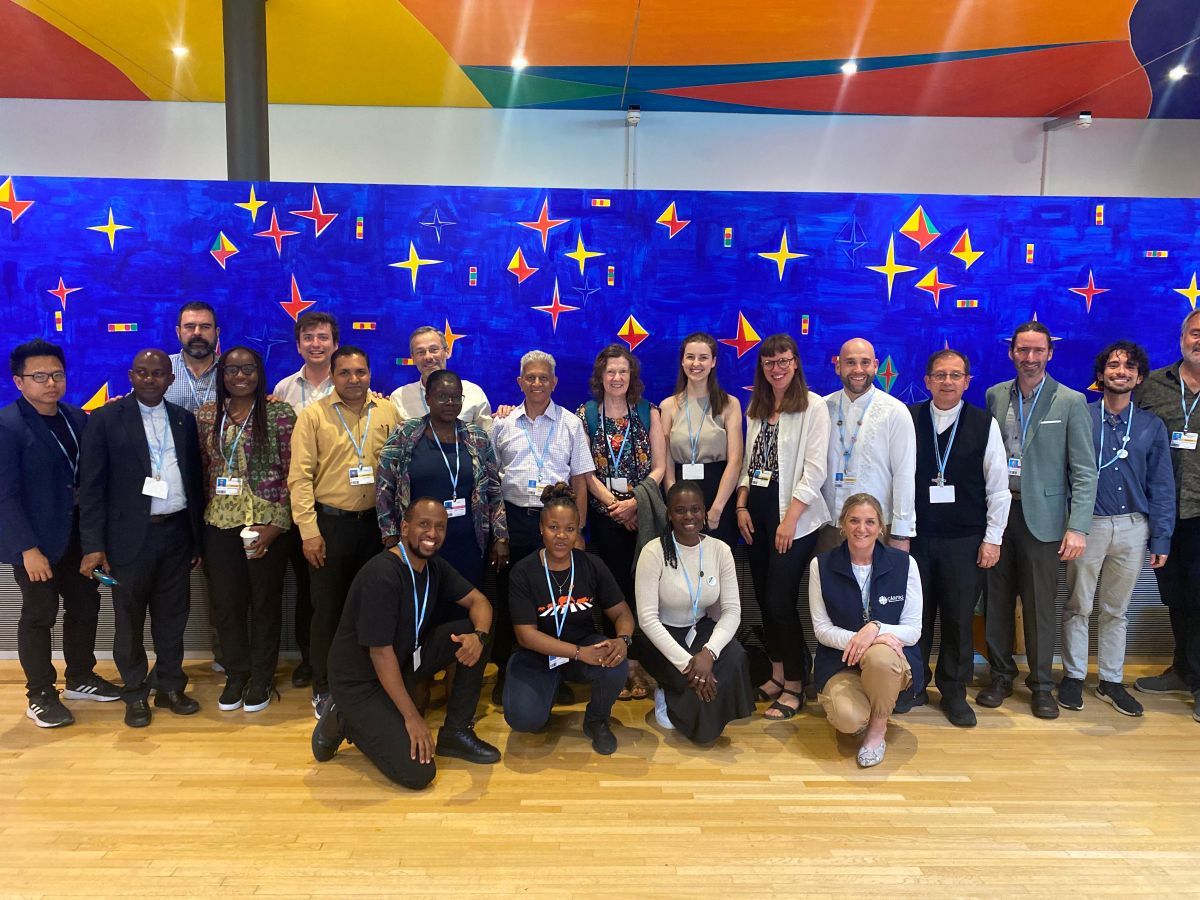
Cáritas América Latina y el Caribe participó activamente en la Cumbre Climática de Bonn (SB62), celebrada del 16 al 26 de junio, como parte del camino hacia la COP30 que tendrá lugar en noviembre en Belém do Pará, Brasil. En alianza con Cáritas Internationalis, con el Consejo Episcopal Latinoamericano y Caribeño (CELAM), la Pastoral Social Cáritas Colombia y Cáritas Brasil, la delegación eclesial regional reafirmó su compromiso con la justicia socioambiental y la ecología integral.
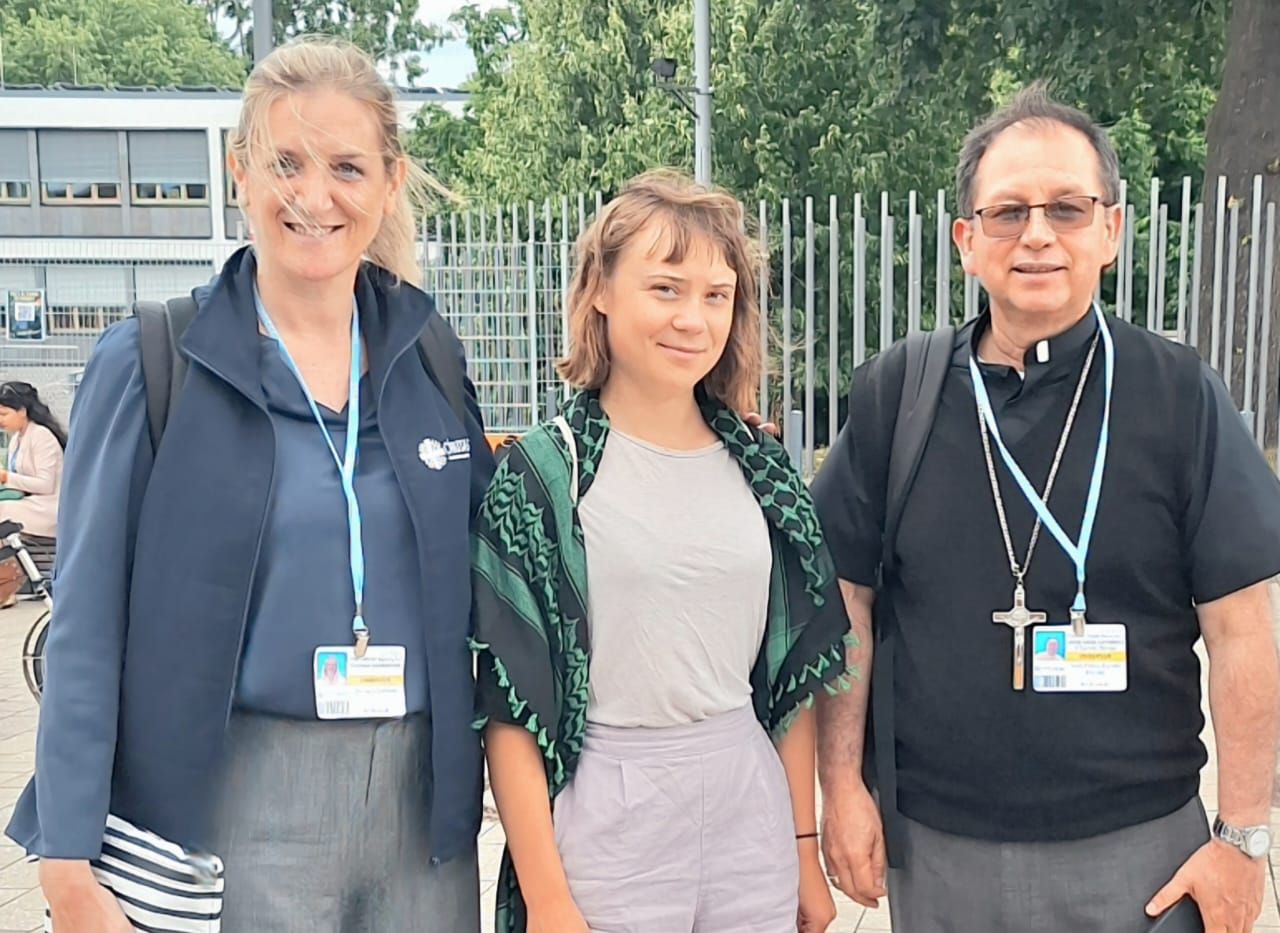
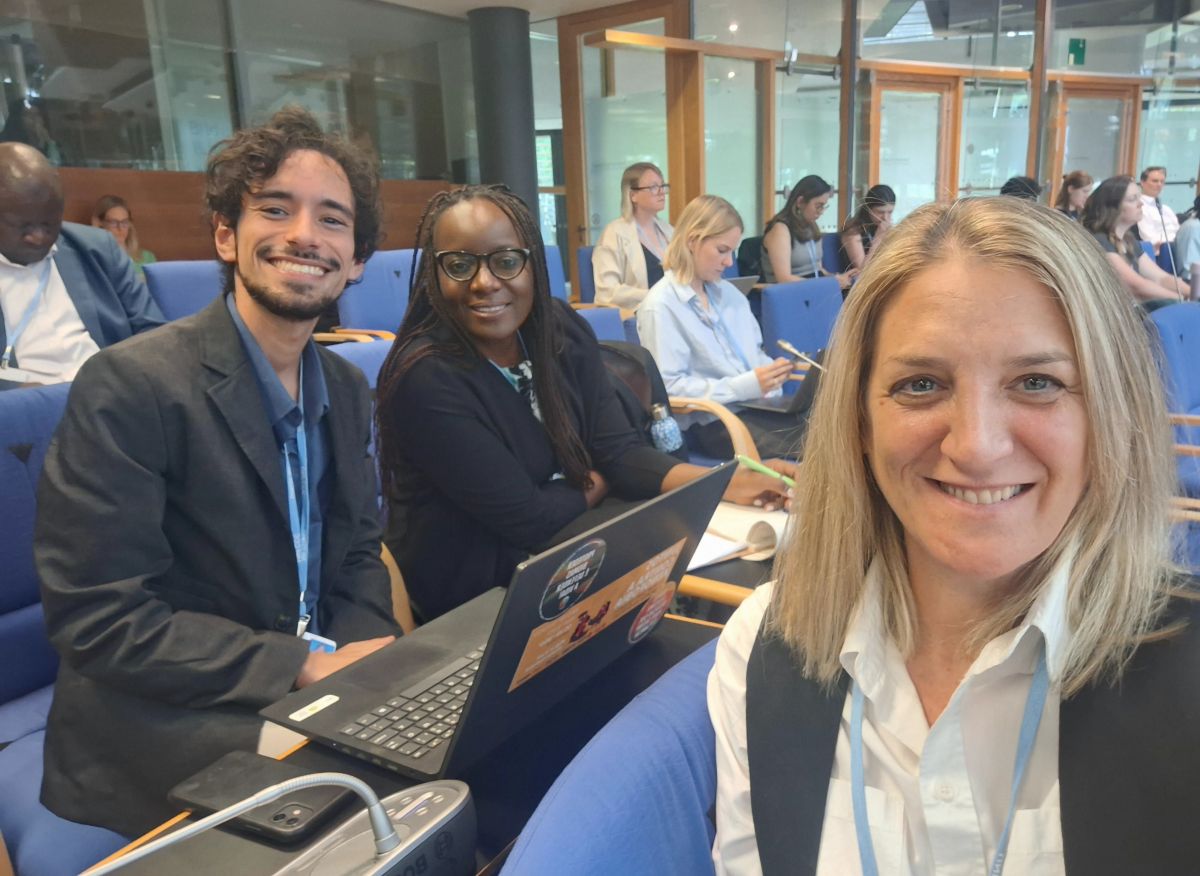
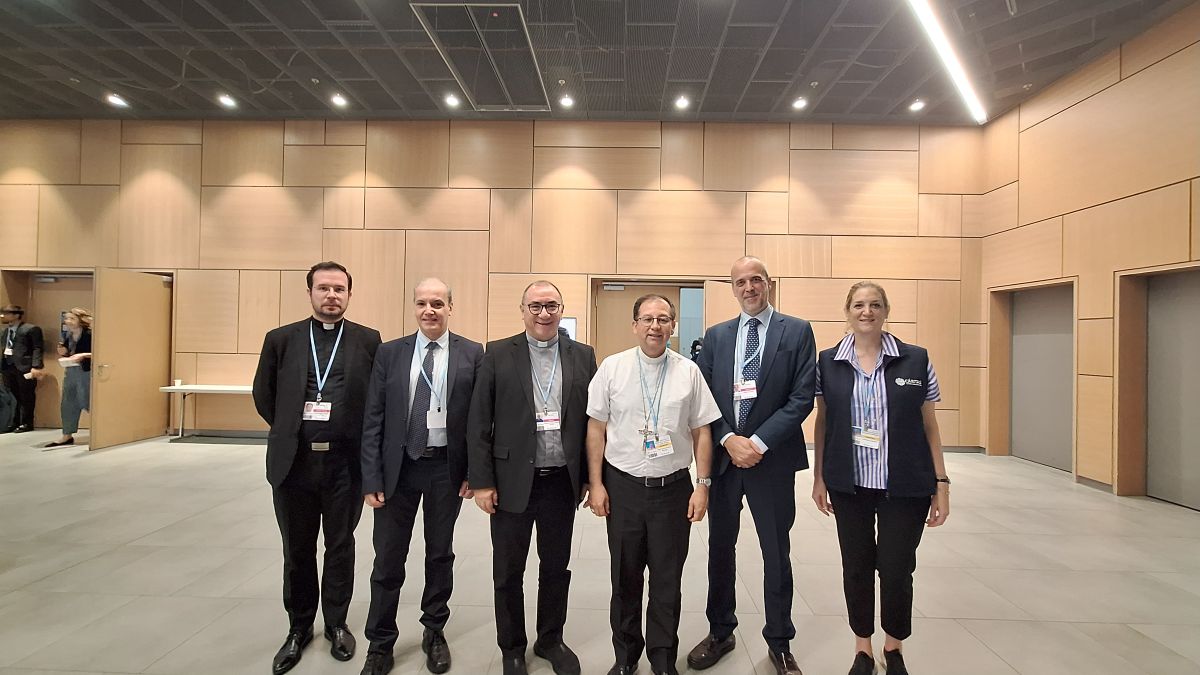
La delegación estuvo integrada por Monseñor Juan Carlos Barreto, obispo de Soacha (Colombia) y presidente de la Pastoral Social Cáritas Colombia - designado por el CELAM para representar a la región -, Damiana Lanusse, coordinadora de Incidencia de Cáritas LAC, y Lucas D’Avila, de Cáritas Brasil; quienes participaron como observadores en diálogos interestatales, talleres, eventos paralelos y conferencias de prensa junto a diversos aliados.
Esta participación se enmarca en un proceso preparatorio que incluye hitos recientes como la presencia en la COP16 de Biodiversidad en Cali (octubre de 2024) y en la COP29 sobre Cambio Climático en Bakú (noviembre de 2024). A partir de estas experiencias, Cáritas LAC y CELAM promovieron un proceso formativo para directores nacionales, equipos técnicos y miembros de redes eclesiales, que incluyó sesiones virtuales y un taller presencial realizado en abril en Bogotá. Paralelamente, se han consolidado alianzas con organizaciones de fe, en el marco de una colaboración ecuménica iniciada en noviembre de 2024, y con actores de la sociedad civil en espacios como la Semana del Clima en Panamá, convocados por la organización Transforma.
La agenda de la delegación eclesial en Bonn
Las actividades en Bonn comenzaron el 14 de junio con un encuentro entre Cáritas Internationalis, SELACC y Cáritas Brasil, seguido por la participación activa en sesiones de la Climate Action Network (CAN) y en los análisis políticos matutinos diarios organizados por CANLA.
Entre los momentos destacados se cuentan los encuentros semanales con la delegación de la Santa Sede, y la participación en un evento paralelo organizado por Cáritas Internationalis sobre Agricultura y Seguridad Alimentaria. En este espacio, Cáritas Brasil y Cáritas Zambia compartieron experiencias sobre agroecología, conservación de ecosistemas y protección de los valores culturales tradicionales de las comunidades locales.
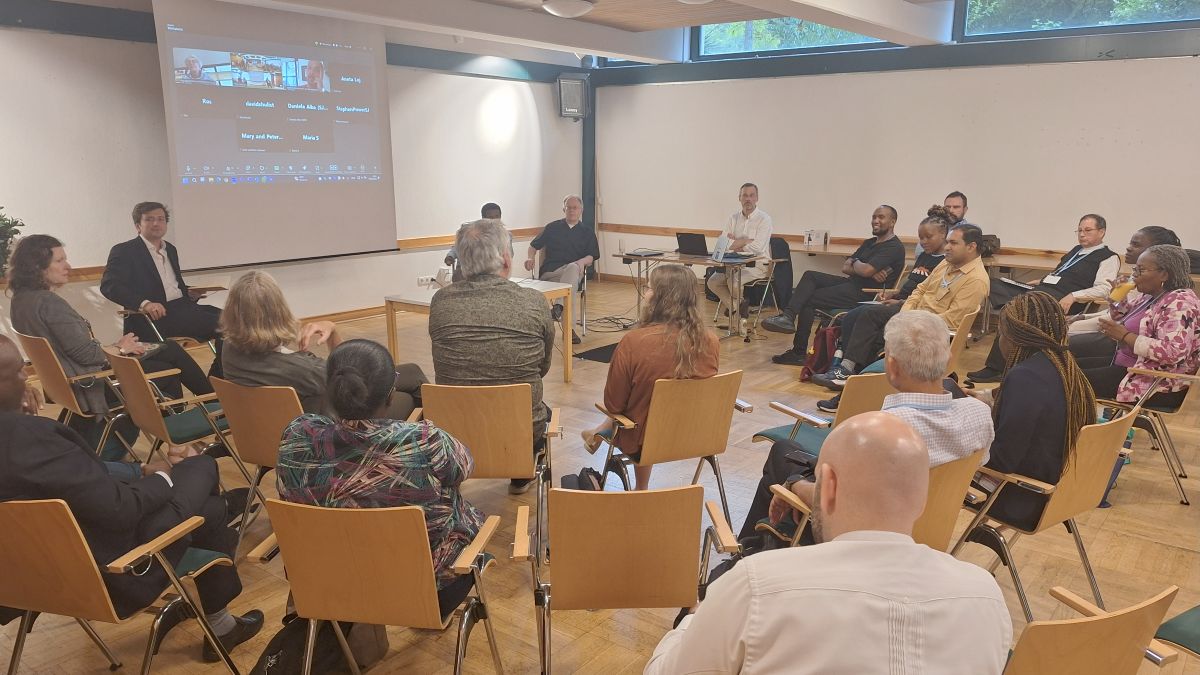
El 23 de junio, la delegación eclesial regional sostuvo un encuentro con representantes del Gobierno de Colombia, incluyendo autoridades de la Cancillería y del Ministerio de Ambiente. Monseñor Barreto presentó la postura de la Iglesia frente al proceso de negociación climática, inspirada en la encíclica Laudato Si’, subrayando las prioridades de Cáritas LAC: Pérdidas y Daños, con énfasis en los impactos no materiales y en las personas desplazadas; Adaptación, centrada en los medios de vida y la seguridad alimentaria; y Financiación Climática, en relación con la deuda ecológica y mecanismos de acceso justo y localizado.
En ese mismo encuentro, Damiana Lanusse mencionó el evento paralelo que Cáritas organizará en la COP30, en el que se presentará un estudio sobre pérdidas y daños en comunidades afrodescendientes e indígenas del Chocó colombiano, en colaboración con SCIAF (Cáritas Escocia) y organizaciones territoriales. La delegación colombiana valoró estos aportes, reconociendo coincidencias y reiterando su compromiso con la inclusión de la sociedad civil. El diálogo concluyó con la voluntad de mantener una comunicación fluida y fortalecer la cooperación hacia la COP30, considerada estratégica para la Amazonía y para toda la región.
Diálogo con Gobiernos y la Sociedad Civil
Durante su estadía en Bonn, las delegaciones de Cáritas LAC y del CELAM también dialogaron con representantes de los gobiernos de República Dominicana, Chile y del bloque AILAC. Además, mantuvieron reuniones con socios de la confederación Cáritas, de la red global NCCEA que agrupa instituciones eclesiales, así como con los Claretianos y Jesuitas, aliados ecuménicos y diversas organizaciones de la sociedad civil como CANLA, Transforma, Greenpeace, La Ruta del Clima, entre otras. Estos encuentros evidencian la vocación de Cáritas de tender puentes más allá del ámbito oficial.
Momento importante para articulación y incidencia, una agenda de Monseñor Barreto, Damiana Lanusse y Lucas D’Avila con representantes de la Cumbre de los Pueblos. Allí se compartió la visión de este espacio como un proceso autónomo y soberano de la sociedad civil, que se construye colectivamente con miras a la COP30, y que espera reunir a unas 10.000 personas del 12 al 16 de noviembre en Belém do Pará. Y al participar en un espacio extraoficial de una manifestación publica sobre justicia climática vinculada a la deuda ecológica, se encontraron con Greta Thunberg quien valoró positivamente la presencia eclesial.
Cáritas Latinoamérica y el Caribe renueva así su compromiso con la defensa de la vida, la dignidad humana y el cuidado de la Casa Común, edificando caminos de esperanza con el horizonte de la ecología integral.
Care of the common home and Holistic Human Development